
Your suggestions in Comments.

Your suggestions in Comments.
Following on from yesterday’s post about that island off Miami, here’s an alternative:



As a former city boy, I have to say that I wouldn’t be averse to this kind of setup — just not in NYfC. The thought of restaurants and stores being just an elevator ride away… yeah, I could do it.
And as for the inevitable “privacy” complaints: acceptance of its loss is just part of the compromise one makes when deciding to live downtown.
The Red Lion, Lincoln Ave, Chicago
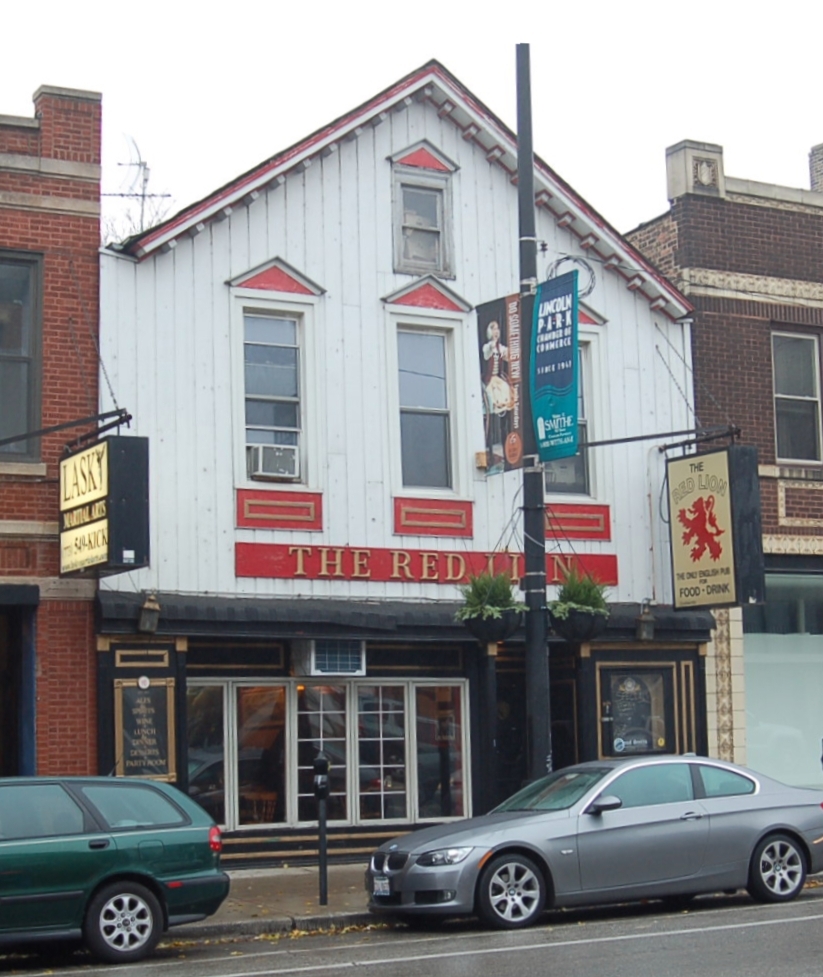
Best Brit food in the city. Fish & chips, meat pies, cottage pie, Welsh rarebit… the works. Also decent beer: ales and bitter. When I lived there, we’d go to the Lion about twice a month for dinner.
The pub burned down several years ago, but it was rebuilt and, I’m told, is even better since the rebuild. It’s located in rather a shitty area, but it’s a block or so up from the Biograph Theater, and the alley next door is where the cops wasted John Dillinger after he’d seen Manhattan Melodrama.
I’d call before going there, just in case it’s since closed — I have no idea how the Covid lockdown affected it.
From some socialist asshole:
“You better get ready for… war.”
We are. Question is: are you?
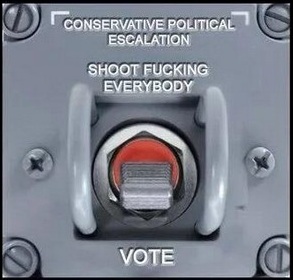
Which reminds me: it’s range time. Now, if you’ll excuse me…
Afterthought: This assumes that we’d be allowed to defend ourselves against attackers, of course.
Okay, I could do this, following an appropriately-sized major crime lottery win:

First improvement I’d make: a clay pigeon station (on the ocean side, away from prying eyes behind binoculars). Second: hang some steel plates between the dock pilings, for some .22 plinking.
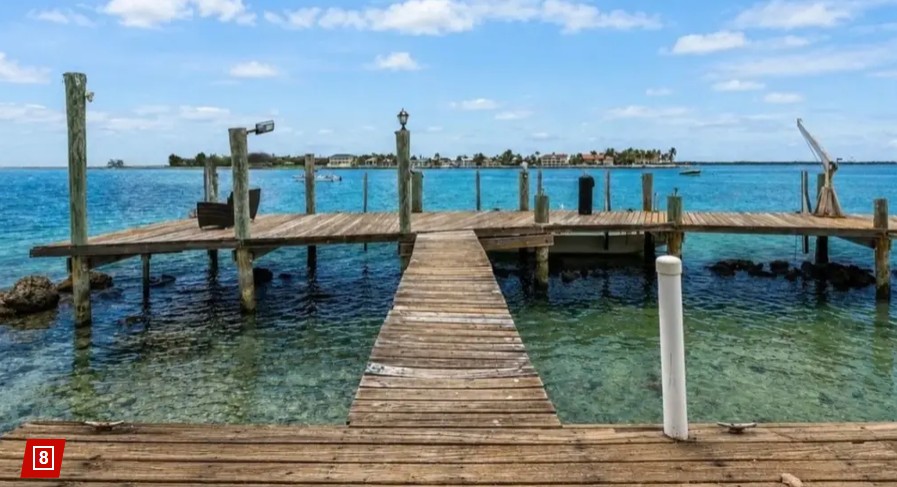
Third: some kind of seagoing vessel (screw that helicopter foolishness), for both commuting and fishing purposes:

…and lastly, a Barrett M82A1 rifle, to repel any prospective intruders from distance:
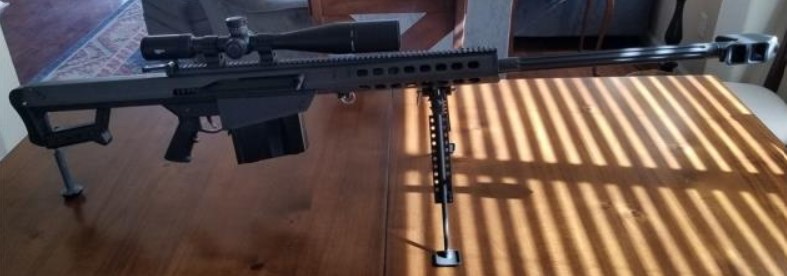
I have the shorter-range issue well covered, as you may imagine.
Feel free to add your suggestions in Comments.
More from The Grand Canyon State:
Arizona Attorney General Kris Mayes said she will conduct a review of the state’s use of Flock cameras and other automatic license plate readers.
This summer, several Arizona local governments have either ended their contracts with Flock or adjusted their policies with the company.
Mayes said her analysis will consider how Flock cameras are being used, the impact they are having on Arizonans’ privacy and possible Fourth Amendment violations.
The Fourth Amendment of the U.S. Constitution protects Americans from “unreasonable searches and seizures.”
Richie Taylor, communications director for the attorney general, said Arizona towns and cities “have been grappling with these questions on their own, and that’s part of why this review is needed.”
“Issues of constitutional rights and privacy are too great to be decided in isolation at the local level. Attorney General Mayes believes these are questions that deserve a coordinated, statewide approach,” Taylor told The Center Square.
Needless to say, Satan’s representative is right on it:
Paris Lewbel, a spokesperson for Flock, said the company’s license plate readers “capture still, point-in-time images of vehicles in public view.”
“Agencies own and control their data, access is limited to authorized users, every search requires a documented reason, and each search creates a permanent audit trail,” Lewbel told The Center Square.
“More than 40 courts across the country have determined that fixed license plate readers do not violate the Fourth Amendment and cannot track the whole of an individual’s movements,” he added.
Lewbel said misuse of Flock technology is “completely unacceptable,” noting when it does occur, the company believes “accountability matters — including in the cases Arizona agencies are currently reviewing.”
Oh sure. Here’s a newsflash: the fucking courts don’t decide what is or is not a Constitutional abridgement: the People decide, not the courts and especially not law enforcement. And we’ve decided we don’t like being spied upon. A few stolen cars being retrieved doesn’t counterbalance the Fourteenth Amendment, just as a few gun accidents don’t counterbalance the Second.
So there’s one simple response to all that glib claptrap: FOAD, you and your godless, snooping company.