My admiration for Joe Walsh knows few bounds, and especially so for his seminal work, Analog Man.
“I’m just an analog man in a digital world”
If anyone sees similarity between Joe’s lyrics and the occasional rant on this website, let me assure you that this similarity is profound, not accidental. And the more I think about it, the more that concept applies to just about everything I enjoy doing in life. Before I launch into the exposition thereof, let me say at the outset that I’m not being a dick about this concept; a good example is that while I generally prefer to shoot revolvers over semi-automatic pistols, I carry a 1911 because of the obvious reasons: more boolets, quicker rate of fire, etc. etc. There would be times when the above features might well be a lifesaver, and I’m not that stupid as to eschew those reasons just for philosophical purity.
So let me list those things which give me pleasure (guns will come last). Be warned: this is going to be a long read (it’s the weekend!), so you may first want to get a fresh cuppa, empty the bladder and make sure you’re comfortable.
1. Watches. If I had the money, I’d like to collect watches because I love the engineering thereof. Like the revolver/pistol example above, I am fully aware that Casio digital watches are more accurate timekeepers than, say, the average mechanical watch. Unlike with guns, however, knowledge of the precise time is not a life-critical issue in my life — hell, I can easily do without a second hand, come to think of it; minutes and hours are all I need, and a minute’s difference one way or the other is, generally speaking, of little importance. My lifestyle does not involve granular time-critical activity, and seldom ever has.
So when I’ve disappeared into Dreamland and thought about what kinds of watch I’d like to collect, it should come as no surprise to learn that (absent duplicates), I’d struggle to come up with as much as two dozen. This is largely because of the rules I impose on myself:
- No watch should cost more than $40,000. Honestly, once you’ve got to an acceptable level of accuracy / performance, the cost:quality curve becomes flatter than Kate Moss’s chest, and the only added costs are jewellery or artificial constraints (scarcity, provenance or marketing) — which do absolutely nothing for a watch’s efficacy. And if there was some kind of cost constraint, I could easily do with watches costing less than $20,000 (with only a few wistful regrets).
- Manual-wind operation only; no automatics or quartz movements. I know that having to wind one’s watch every so often can be irritating (I wind mine every morning, or before I put it on to go out — I don’t wear a watch inside the house because I’m surrounded by clocks). And don’t get me started on having to replace batteries when the stupid things suddenly cease to work.
- No metal bracelets or rubber straps; leather straps only. I have hairy arms, so the metal joints pinch my hair constantly. And yes I know: leather wears out more quickly than metal or synthetic material, but this just gives me an opportunity to get a new strap every couple of years, perhaps even in a different color.
- A clear, easily-read watch face, uncluttered by multiple functions / complications. These new watches which allow one to see the inner workings of the thing through the face are ridiculous. When I want to know the time, that needs to be almost instantaneous — I don’t want to spend time playing “hunt the hands” amidst a jungle of background moving parts.
- Decent typefaces for the hours’ numbers. I like plain (but not too plain), art deco (but not too much so) and Roman numerals (because of my classical education, I can read Roman numerals as quickly as any other form, especially on a watch face). I can also live with no numerals at all, just indicators, but I find numbers more accommodating. Lastly:
- I don’t much care for “yellow” gold watches, unless the watch has a very thin casing. Steel is preferable, “white” gold a distant second. Don’t even think about plastic.
So let me show y’all just a few examples of the watches that would appear on Ye Olde Bucquette Lystte, with some non-starters underneath. All fall into the criteria as set above.
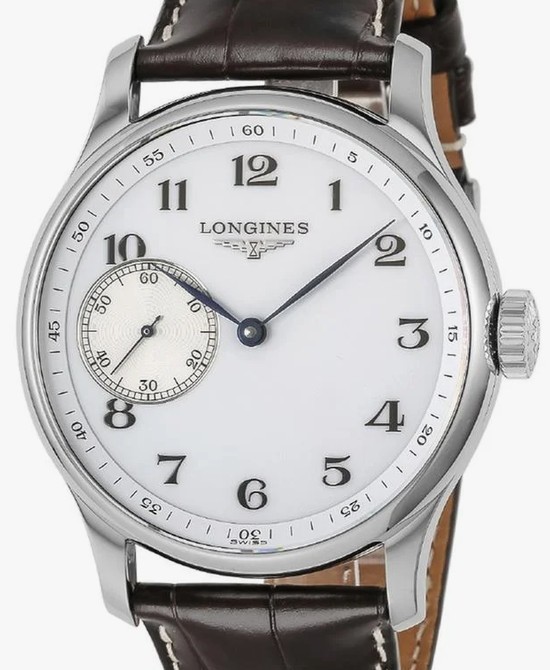
Longines Master Collection ($1,200)
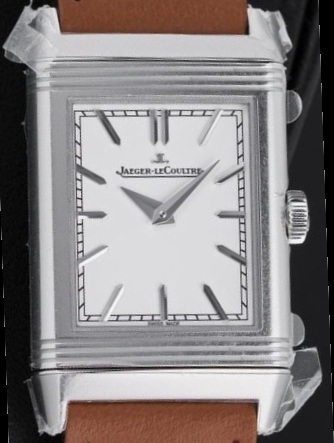
Jaeger-LeCoulte Reverso ($8,500)
Eberhard & Co “8 Jours” ($4,500)
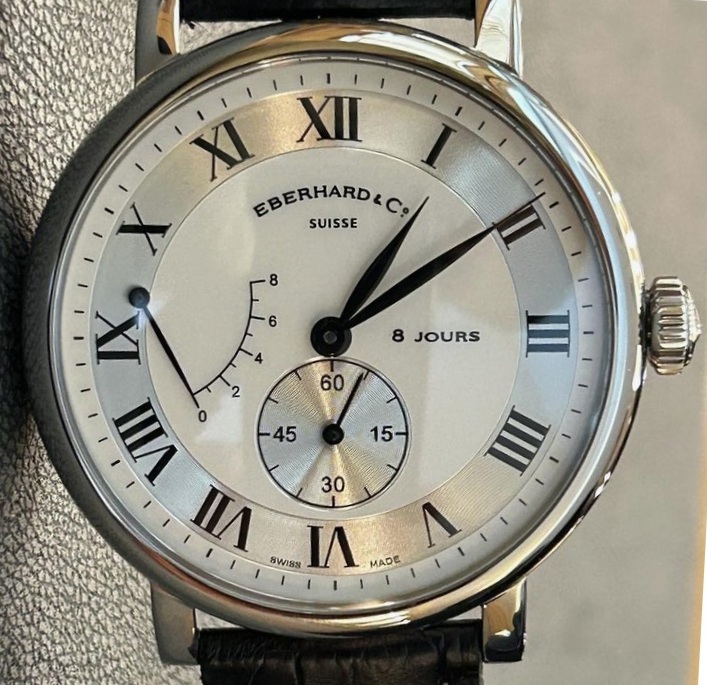
(this one’s a tad cluttered, but I kinda like the “powermeter” function)
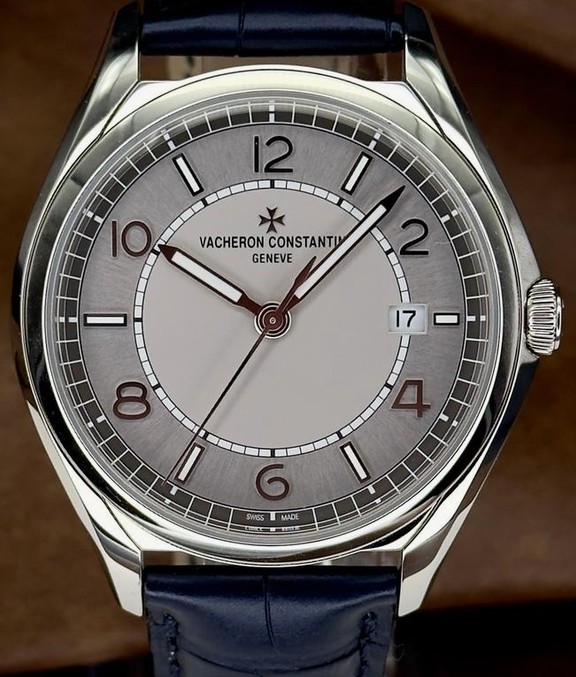
Vacheron Constantin “Fifty Six” ($15,000)
Patek Philippe Calatrava ($25,000)
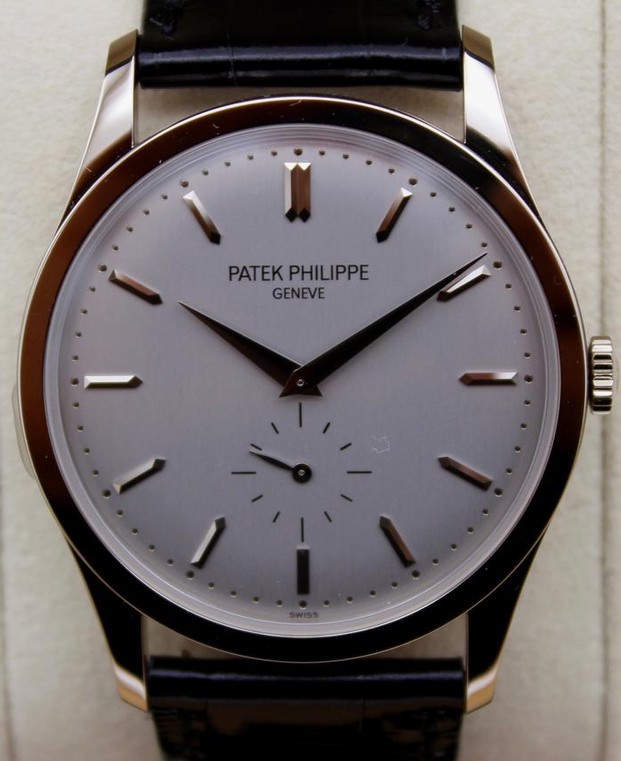
No decent watch collection should be without at least one Patek Philippe and a Vacheron.
Not being a pilot, race car timekeeper or deep-sea diver, I don’t have much need for a “function” watch; but I still like the look of this one:
Omega Speedmaster “Moon” ($6,500)
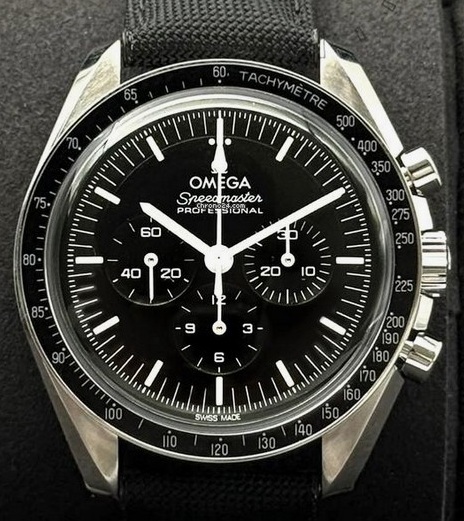
And it went to the Moon back in the late 1960s, so there’s that. Oh, and that foul canvas strap would be gone before I walked out the shop’s door.
Now for the Rogues Gallery (no prices, because they’re pretty much all ridiculous, even in Budget-Free World).
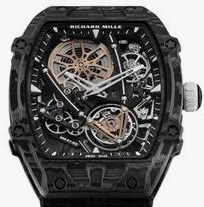
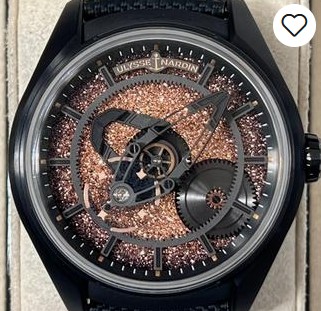
They are, left to right: Richard Mille, Ulysse Nardin and Rolex Submariner
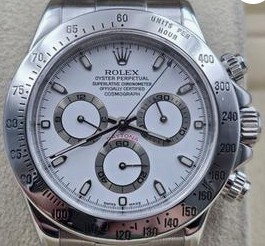
I have an aversion to most Rolex watches, not least because they’re generally mounted on a steel bracelet. But they’re also clunky and ugly, not too mention overloaded with functions. Yes, they have brilliant actions — accurate, reliable and well-made — but they’re “statement” watches, a creation of Marketing, and because they make jillions of the things every year, not especially exclusive either.
Here’s one last favorite of mine, just to help you mindscrape the ugliness of the above:
Seiko Grand Elegance ($4,800)
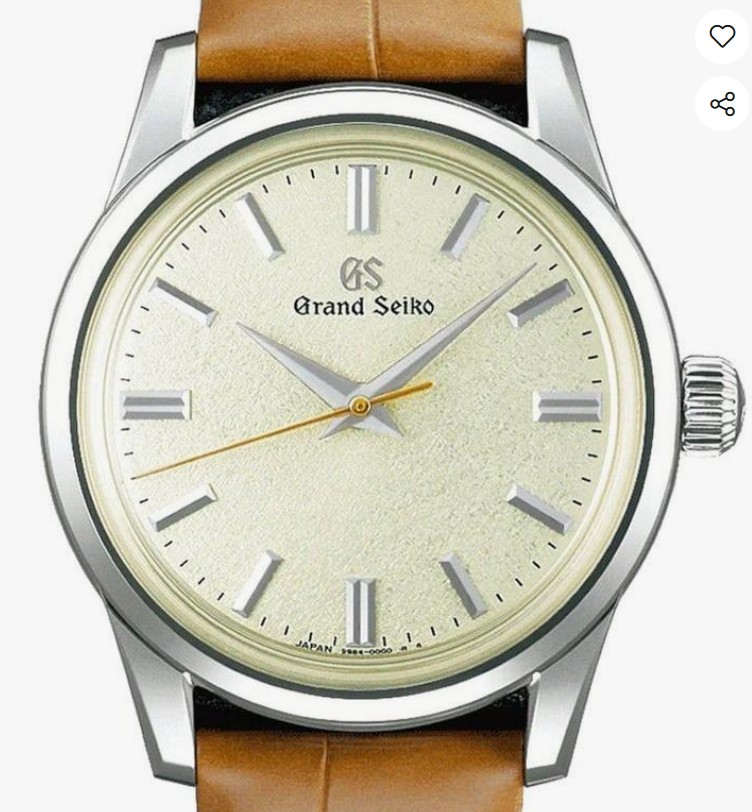
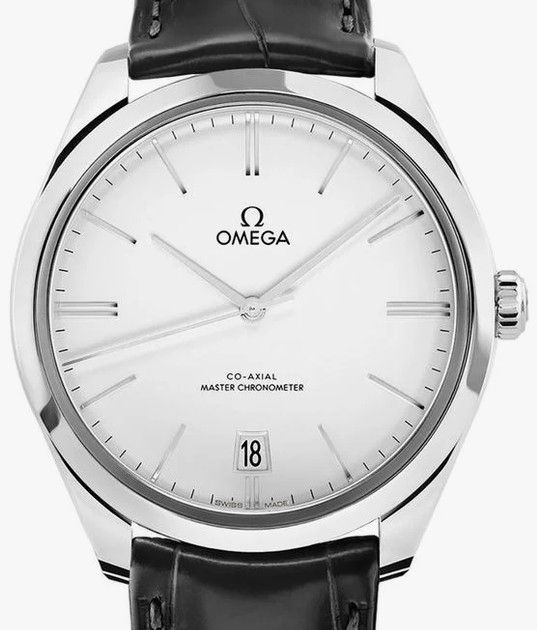
Even the watch snobs acknowledge this one’s value… although I personally prefer the Omega Tresor ($6,000):
Okay, that’s enough about watches. I think you get the point.
2. Books. I’ve written before that I prefer paper books over e-books, not only because I find operation of the ebook to be tiresome, but also because I like the feel of ordinary bound books in the hand. I know that e-books are more convenient — fresh content can be summoned up while, say, traveling, taking away the weight and hassle of carrying multiple books in one’s suitcase. But I also know that the content can be blocked or pulled at any time by whoever is distributing or storing the content, whereas once a real book is purchased, it’s yours forever, should you choose to keep it.


As to which books, I don’t think I have to go there. Now for another perennial favorite:
3. Cars. At the risk of being massively repetitive (because I’ve opined on the topic ad nauseam before), let me just list the criteria:
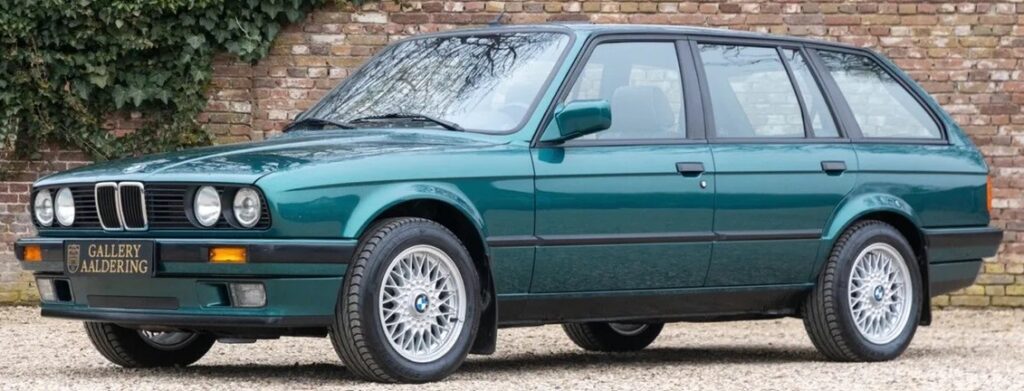
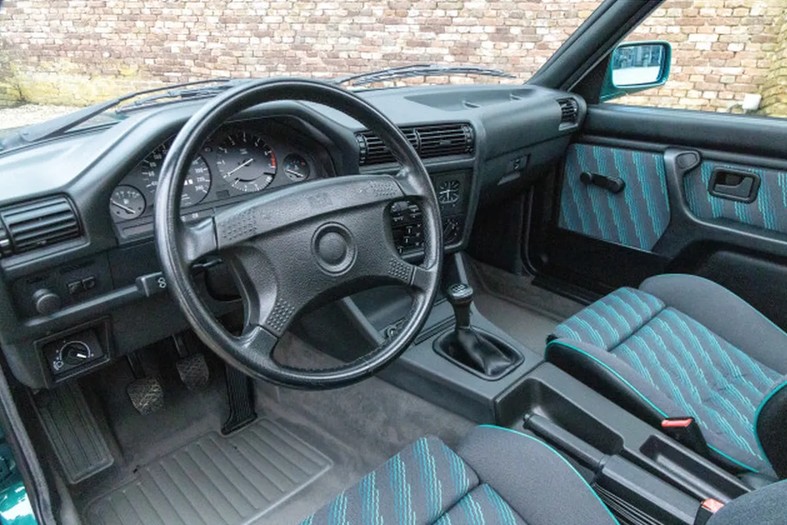
- Stick shift (okay, manual transmission as used in actual driving) over automatic (steering).
- No electronic control through software. Note the similarities between books and cars: in the old days, once you bought a car, you owned everything sold with it; with modern cars, there are few functions that can’t be “switched off” unless you pay more for the privilege of use. I’m not even going to talk about “self-drive” cars.
- No digital snooping. A warning light: good. Law enforcement or insurance companies tracking your speed, noting your acceleration patterns or logging your destinations: not only bad, but unspeakably bad.
- Must be beautiful. Things designed by names like Pinanfarina, William Heynes, Bertone and David Brown (to name but some) will always win over Wally Wind-Tunnel Designs, Inc.
So on to a brief sample of the Automotive Bucket List:
Late 60s Fiat Dino
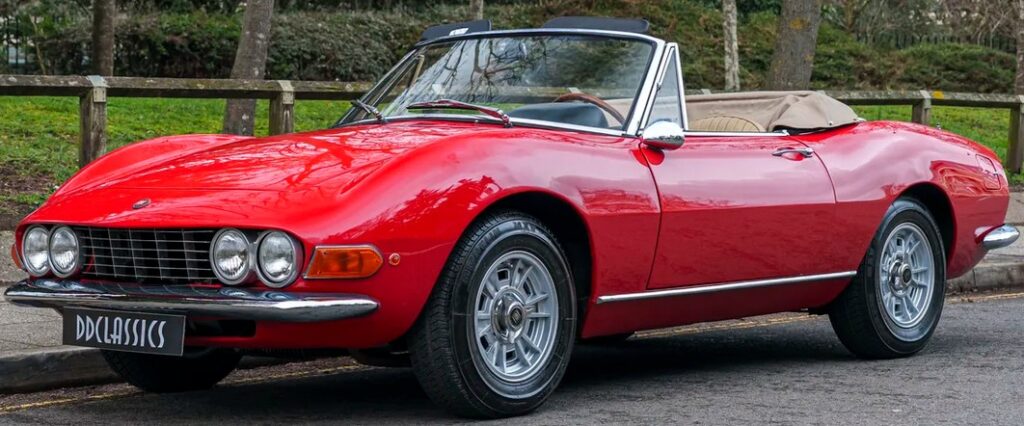
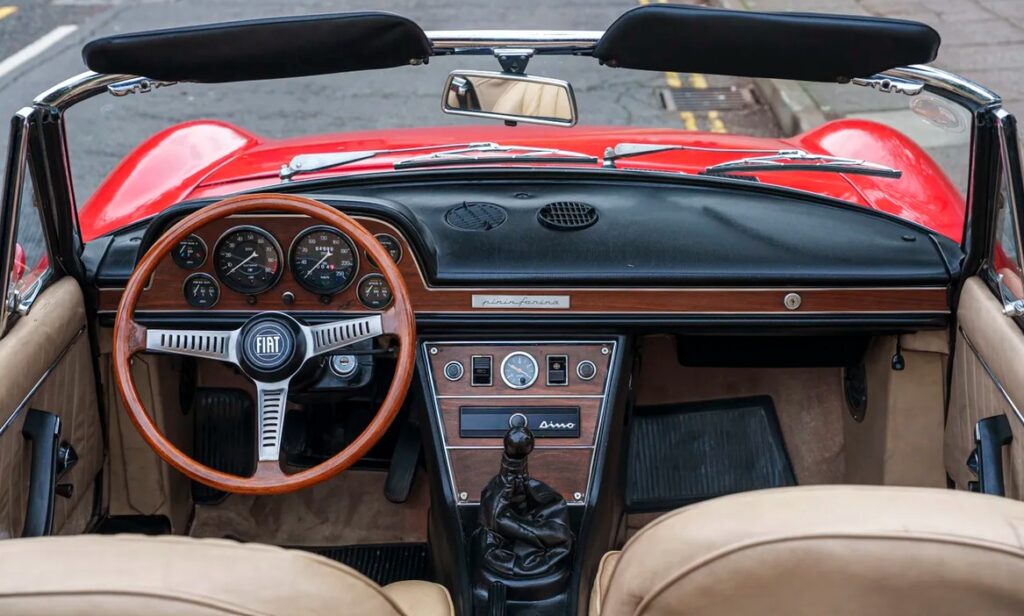
Same engine as the Ferrari Dino — in fact, the little 2.0 (later 2.4)-liter V6 was developed by Fiat for Ferrari — but as fully-restored Ferrari Dinos now command stratospheric prices (over $500,000) compared to a similarly-restored Fiat’s ~$150,000, the Fiat gets the nod. I know that some may balk at Fiat’s legendary unreliability, but in this regard they were no worse than the Ferraris of the same era.
1957 Jaguar XK140
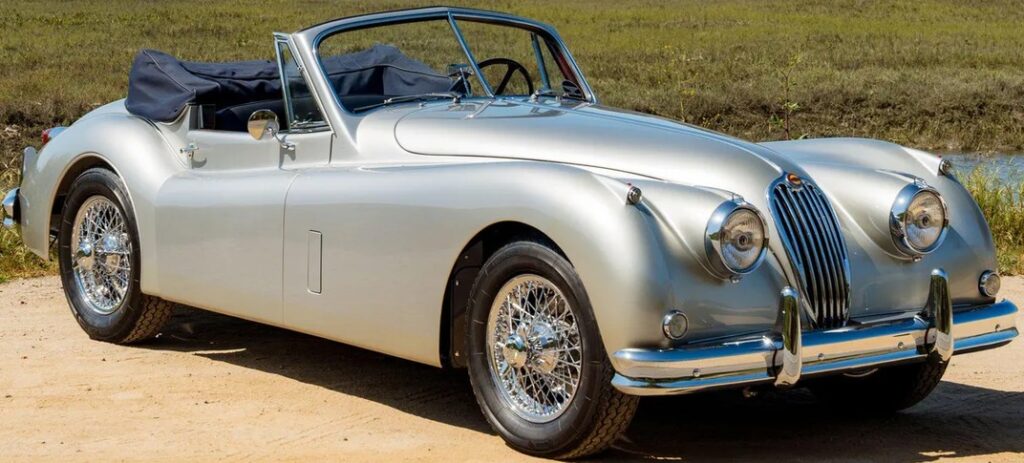
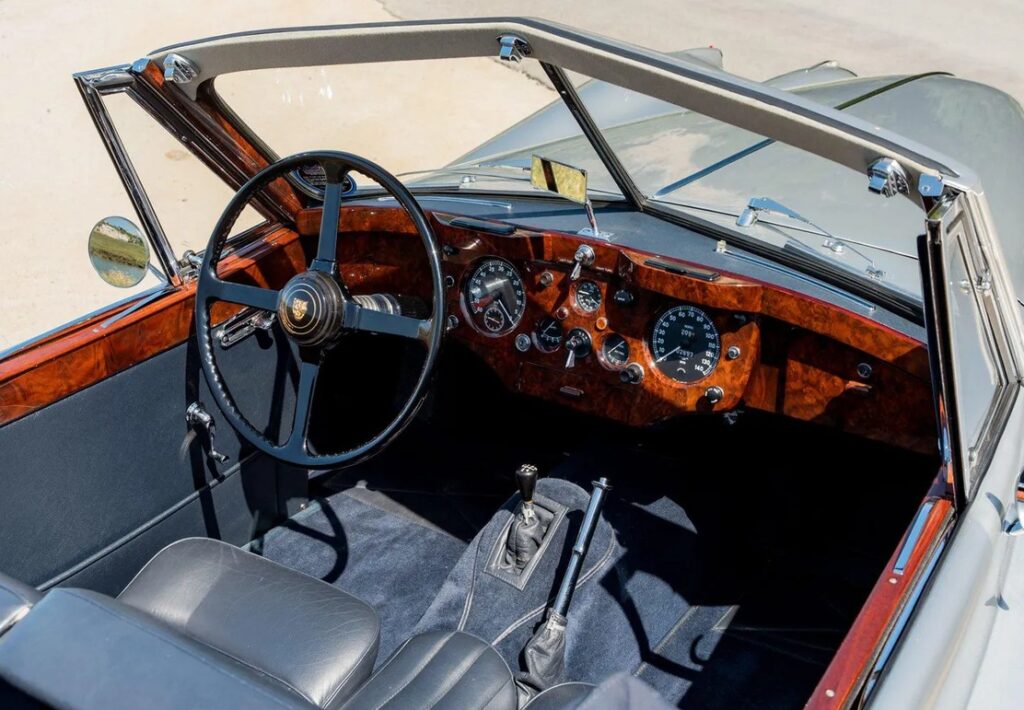
Oh, by all means compare this snarling beast to the whisper-quiet new JLR all-electric cars. (No pic of the latter because ugh.)
And let’s get more modern:
2001 BMW Z8
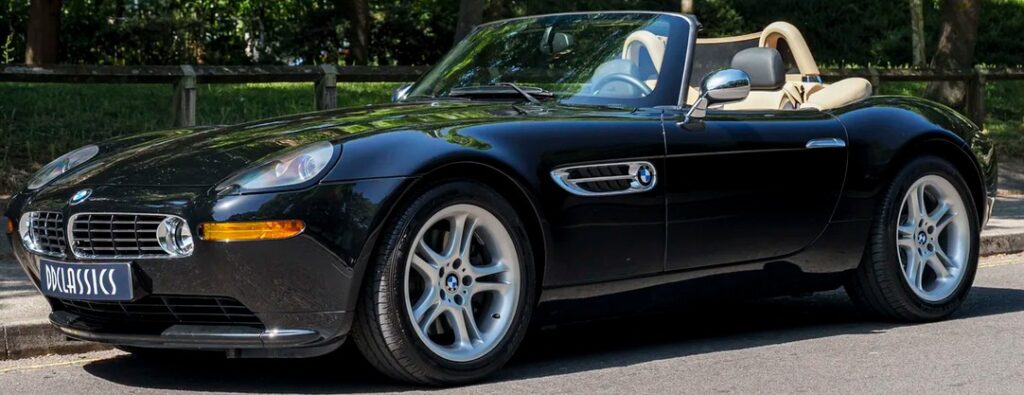
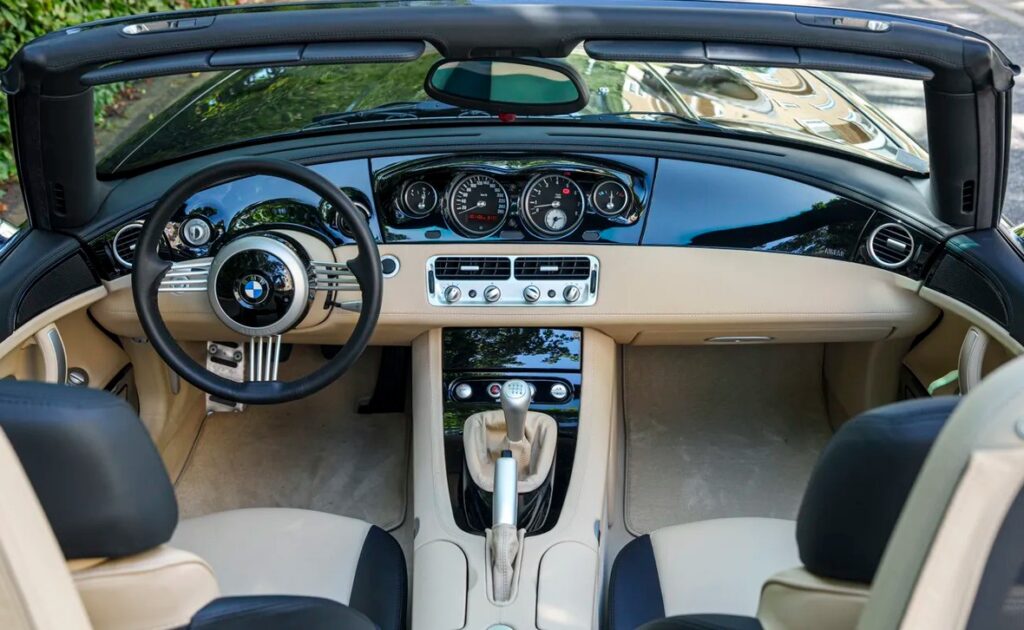
Of course I’d prefer its predecessor, the 1957 BMW 507, but not for ten times the Z8’s $200,000. Let’s not be stupid, here.
Okay, let’s go Murkin:
1965 Ford Mustang Mk 1
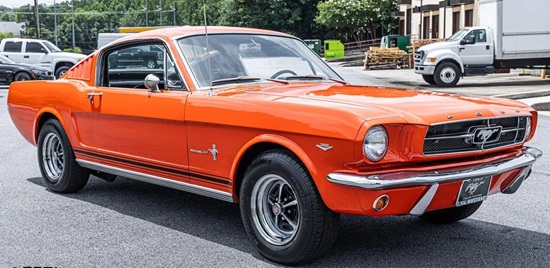
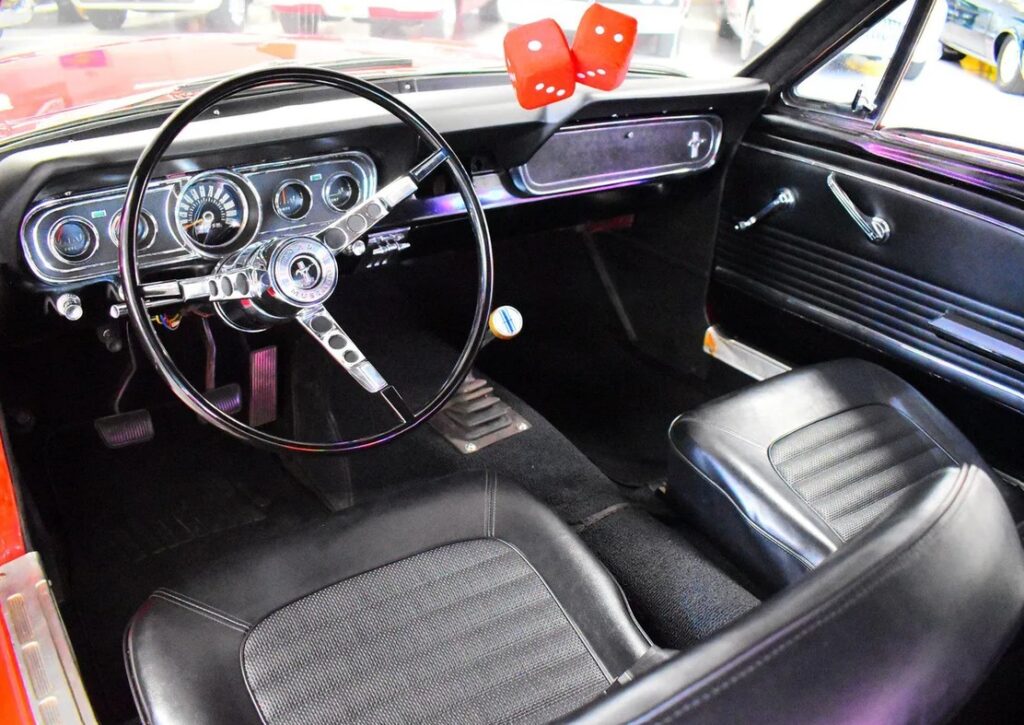
…and costing less than a third of the old Euro cars above, for good measure.
And finally, the topic I’ve covered so much that even I’m somewhat tired of it…
4. Guns. My preferences and prejudices are well known to all:
- 1911 over Glock
- wood over plastic
- metal over plastic
- revolvers over semi-autos
- bolt-actions over semi-autos
- side-by-side instead of over-and-under shotgun barrels
- double trigger sets over single triggers
- …and so on.
And just a couple of examples should suffice:
CSMC A.H. Fox 20ga

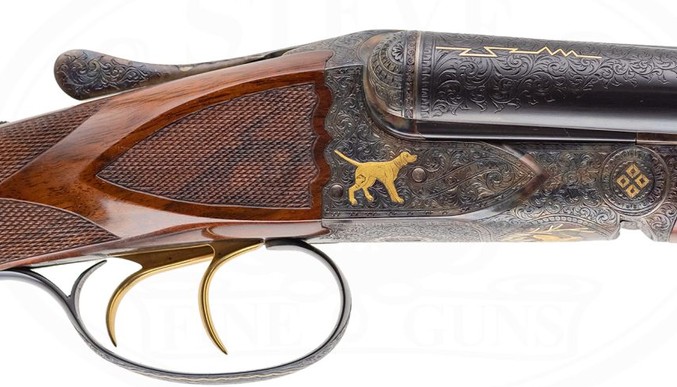
I like the engraving, but I could do without it, to save costs — such as with the CZ Bobwhite in the same chambering, and at a third of the Fox’s price:

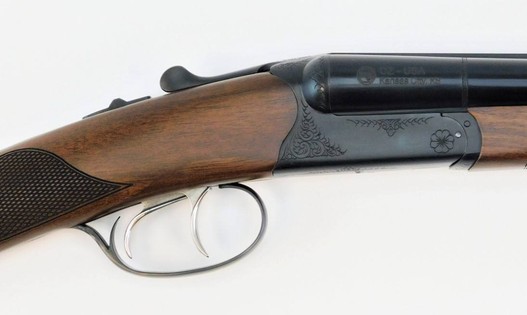
Note that both guns share similar characteristics: splinter fore-end (to save weight), straight English stock (my preference over a pistol-grip stock), side-by-side barrels and a double trigger. In terms of utility and reliability, they’re functionally identical. But that Fox is just gorgeous.
Now don’t get me wrong when it comes to shotgun actions: I have nothing against pump action (self- and home defense) or semi-auto (goose hunting); but given my druthers, I’d be at the clay pigeon range every day of the week, if I could — so I prefer double-barrel break-open shotguns.
Similarly with rifles:
Mauser M98 Standard Expert

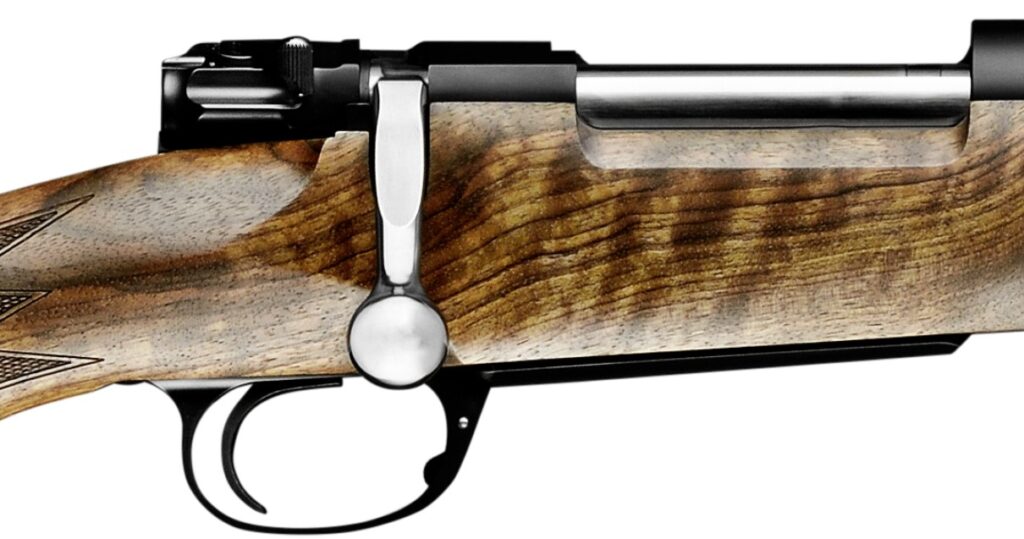
Now: the Standard Expert retails for just over $13,000 new. But I could “downgrade” to the Model 12 (which I’ve owned before, and it’s excellent) at a quarter of that price, or even, at a pinch, a WWII-era K98k (in decent condition).

…of which I’ve owned several. In fact, give me any Mauser 98 (or Swedish 96) and I’m good to go. But that Expert is seriously pretty… and then we come to the rimfire rifles.
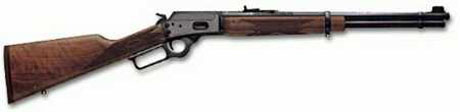
Now here I don’t mind going with a semi-auto like the Ruger 10-22 or Winchester 63 type, because rifle plinking is just more fun when you don’t have to work the bolt between each shot. (Ditto pistols, by the way.)
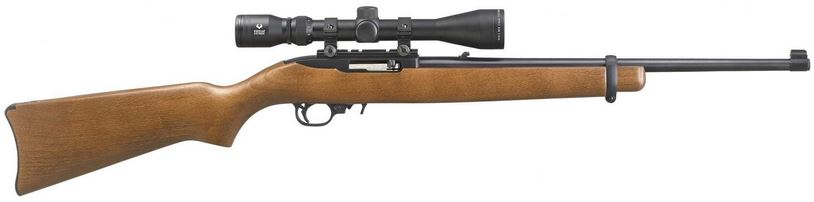

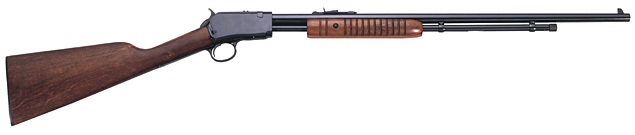
And don’t get me started on pump-action rimfires. In fact, I much prefer shooting pump-action over bolt-action and even semi-auto rimfire rifles; because I prefer to operate the machinery, and the pump-action is quicker and easier to operate than the bolt-actions, is why the pumps get my nod.
Let’s talk about handguns for a moment.
Pre-1990 Colt Python (.357 Mag, 6″ barrel)
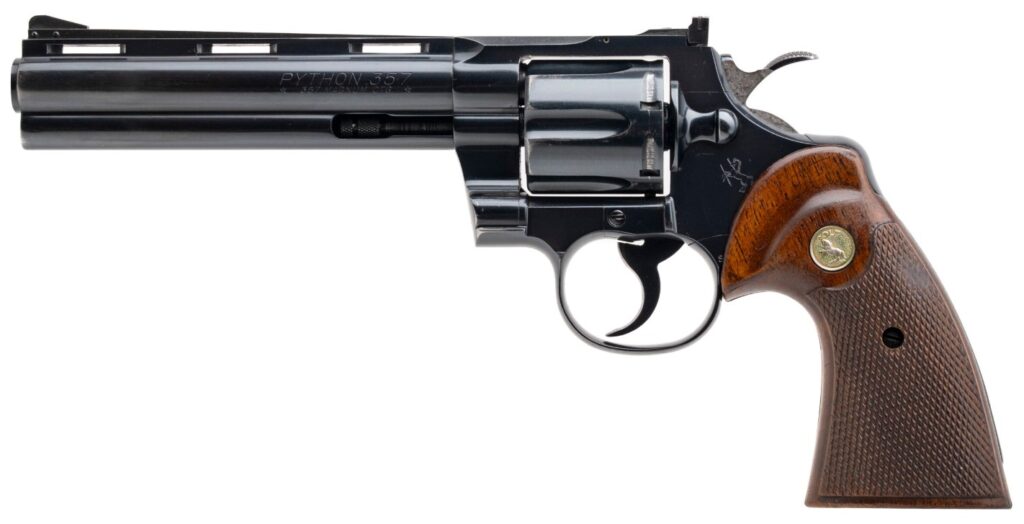
They’re still filthy expensive, even though the new-generation Pythons are functionally a little better and about half the price of the older ones. But that Royal Blue finish… have mercy.
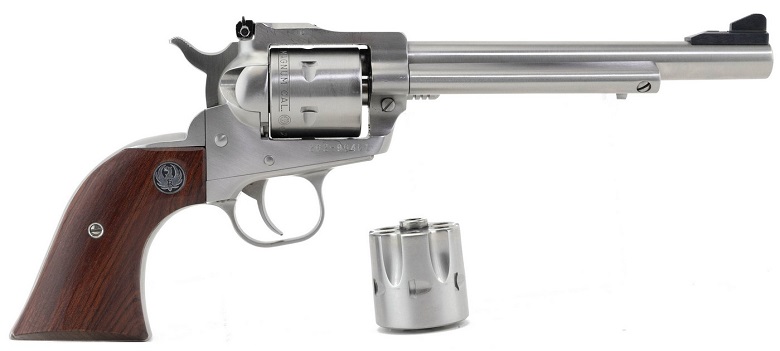
But here’s the thing. Other than non-rimfire revolvers with the “Bisley”-style grip (which I find tiresome to shoot because they’re uncontrollable), I like shooting almost any revolver.
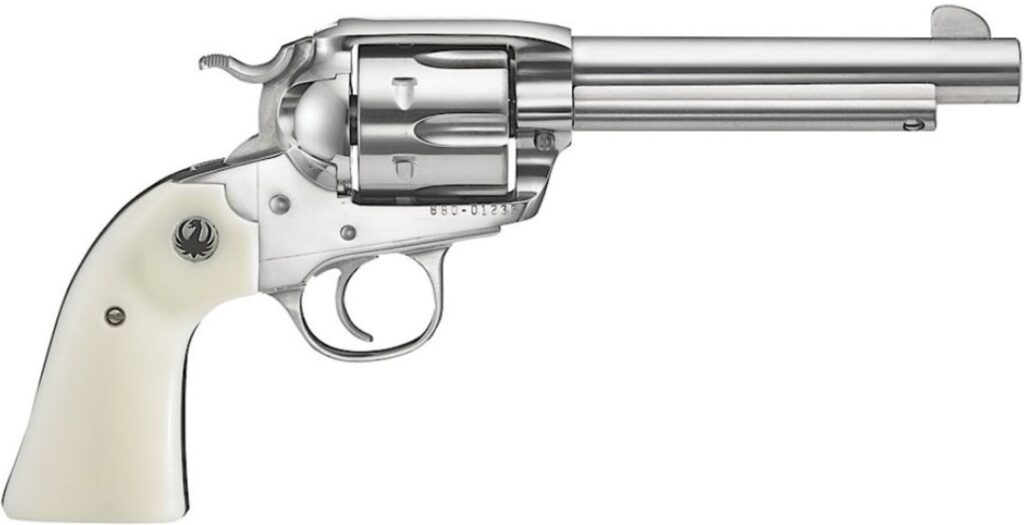
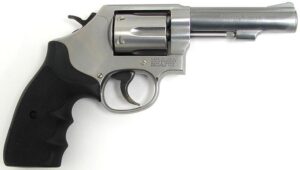
Give me a Ruger GP-100, Smith Model 65 or 68, Colt Officer’s Target — hell, any of them will keep me banging away for hours.
Of course, I’m capable of banging away for hours with a semi-auto pistol too:
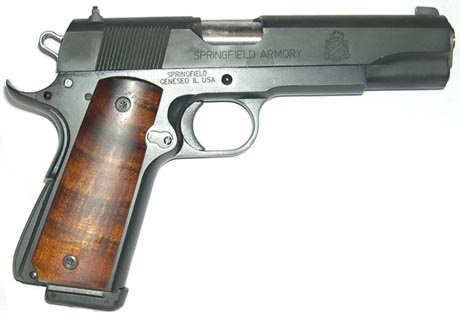
…and especially of the rimfire variety:
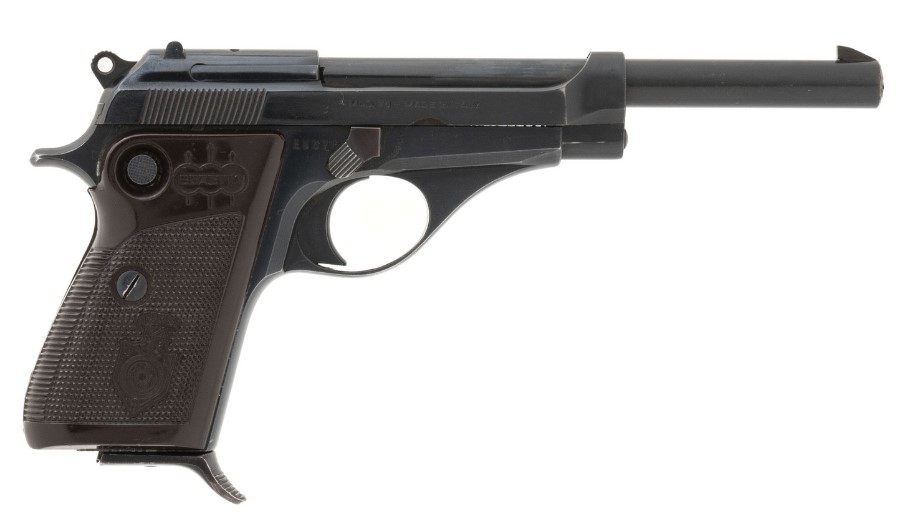
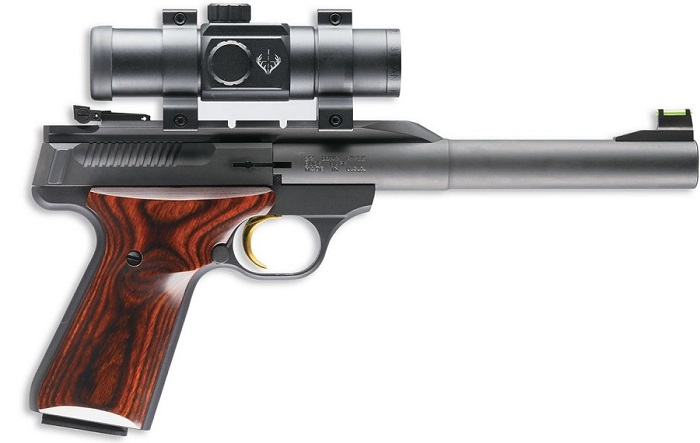

But if I want to do a little rimfire target shooting — a more deliberate activity than plinking — then I reach for a revolver, every time.
Summary (and good grief, there needs to be one):
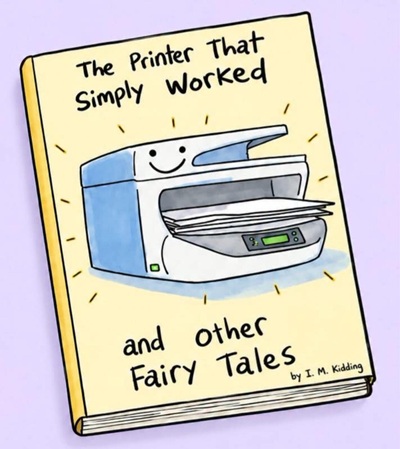
When it comes to activities, I prefer to operate whatever it is, whether a car’s stick shift, a paper book, winding a watch or shooting a gun.
I know that it’s generally more time-consuming and less convenient to do all that — some might even say less efficient — but I don’t care. These are all things I enjoy doing, and the enjoyment comes as much from the work involved as from the control of the activity. In cars, it’s driving as opposed to steering; in watches it’s not being reliant on a battery or even movement of the hand to keep the thing going; in books, there are few greater pleasure than holding the author’s written word in hand — hell, I’d read a paper newspaper over an online website of the same newspaper any day of the week; and finally, with guns, it’s all about feeling the machinery of the gun working in your hands, under your control.
Maybe it’s a function of my age, having grown up when a lot of what passes for convenience didn’t exist at the time. On reflection, though, even that’s not true: I learned to shoot with a single-shot pellet rifle, followed by a semi-auto .22 rifle long before I ever fired a bolt-action rifle. But the minute I first fired that Mauser K98k, worked its bolt and fired again, I was hopelessly hooked. Ditto driving cars: my first cars all had stick shifts; and when I finally did get one with an automatic transmission, I enjoyed the convenience… right up until I needed to get into a lower gear in a rain-slick corner, and felt helpless as the car just carried on. (I didn’t crash, but it was sure as hell close.)
And to this day, when I get bored with the Internet — and that happens much sooner than it used to — out comes a good book off the shelf, and away I go into another world, needing only a little light to keep it going.
At that moment, I’m back where I belong, in an analog world; and good grief, how I love it.