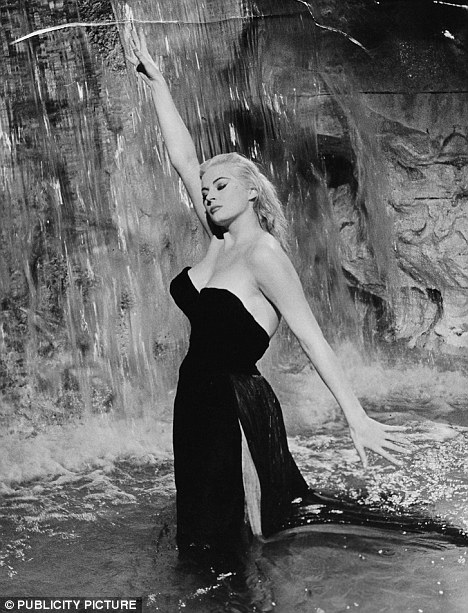
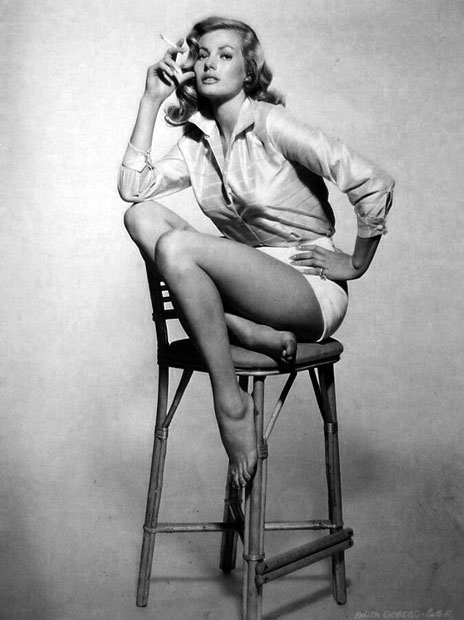
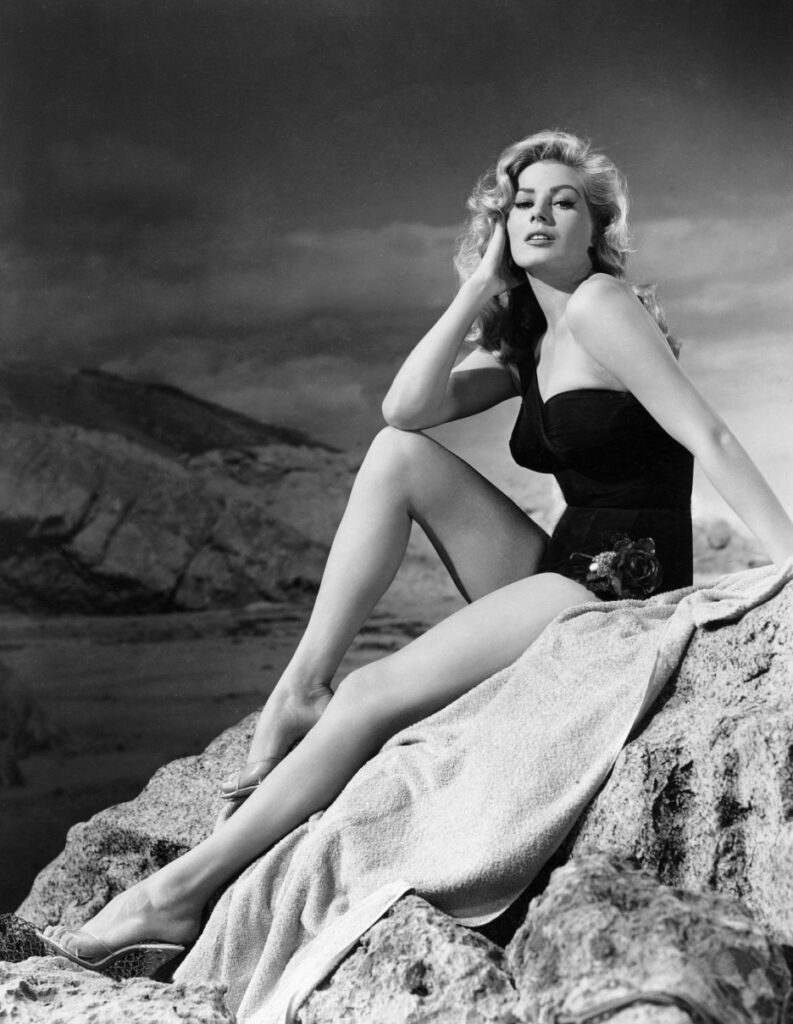
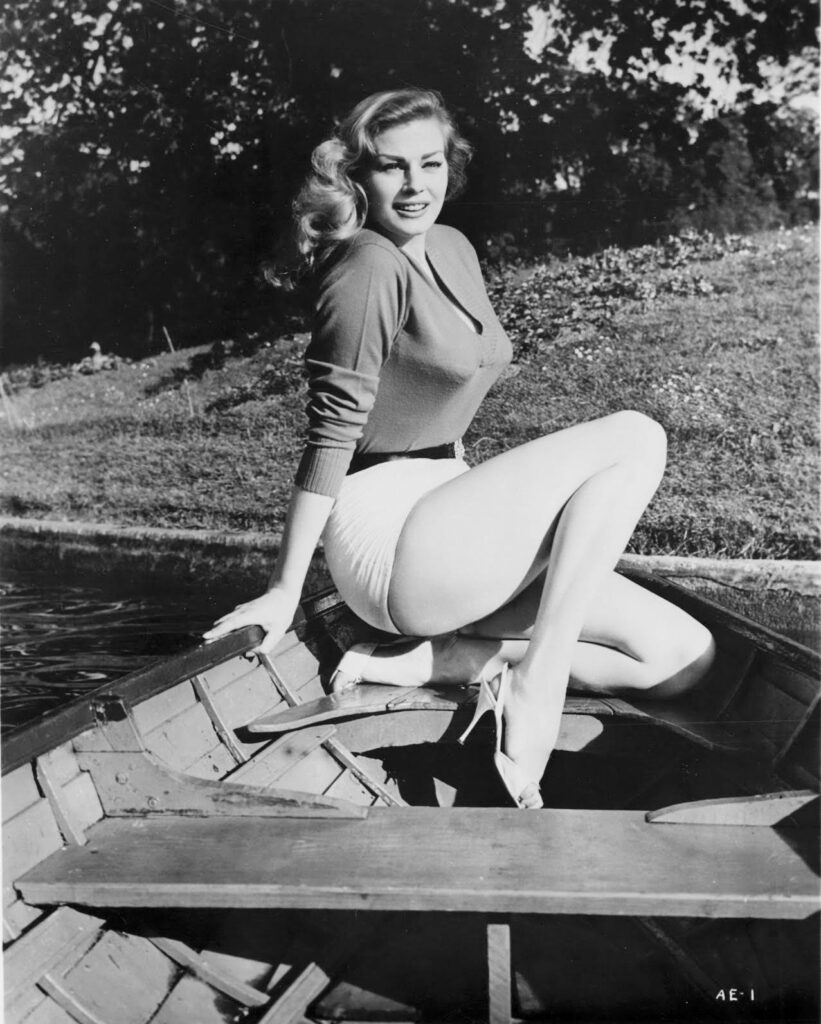
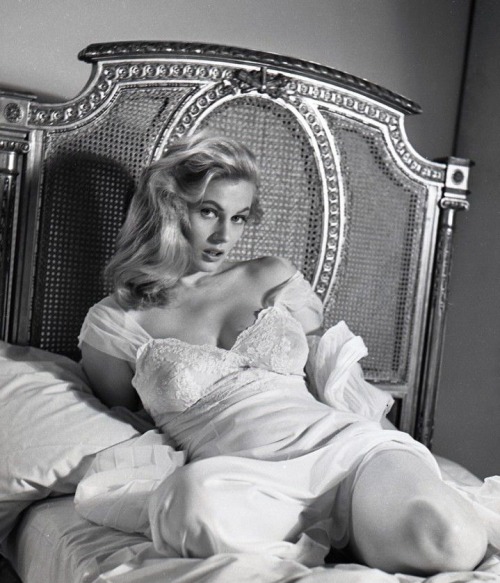
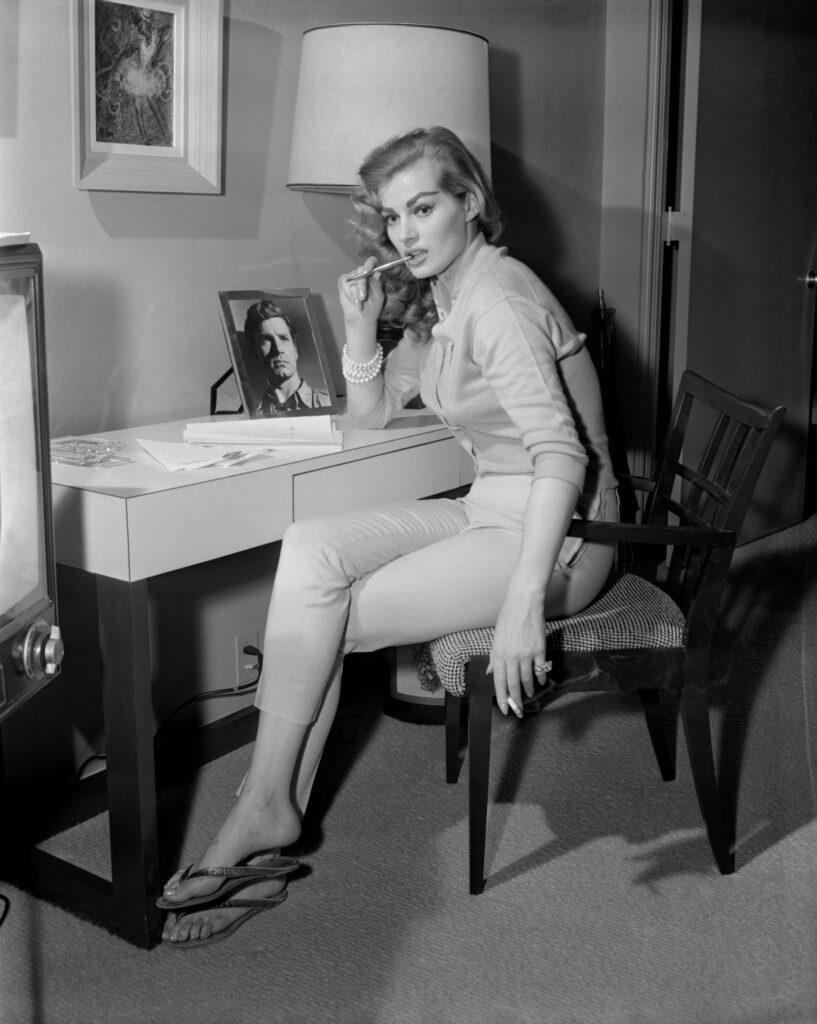
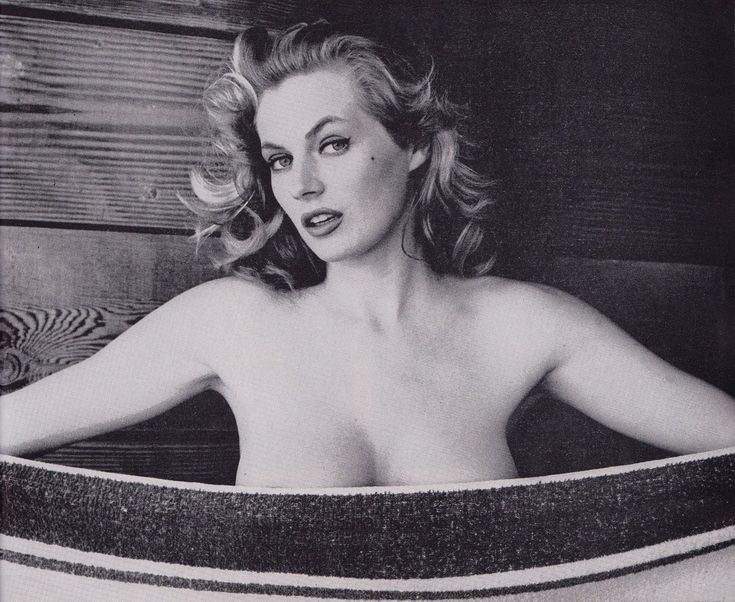
Despite Anya Taylor-Joy being saddled with several dreadful-but-period-correct hairstyles in The Queen’s Gambit, I was captivated by this doll-like creature, and that has not changed since:


Lovely.
Despite Anya Taylor-Joy being saddled with several dreadful-but-period-correct hairstyles in The Queen’s Gambit, I was captivated by this doll-like creature, and that has not changed since:


Lovely.
(Previous: Chapter 1, Chapter 2, Chapter 3, Chapter 4, Chapter 5, Chapter 6, Chapter 7, Chapter 8, Chapter 9, Chapter 10, Chapter 11, Chapter 12, Chapter 13)
Chapter 14: The Last Gig
As time went on, it became clear that Marty was really holding the band back, in a musical sense. He was uninterested in learning any new material (unless it featured him on lead vocals) and when we dragged him into playing anything else, he was totally disinterested. And yes, he had a great voice, but we were moving on from playing mostly older classics (his favorite and perhaps only interest), and just as importantly, his indifferent guitar playing was not helping the band grow, either. I was perhaps the least enthusiastic about it because I loved Marty’s voice, and loved singing with him. But when your audiences want to hear Shout and all you can give them is Let It Be Me, it’s not a good thing.
We were also a little apprehensive about the decision because it was Marty who’d been driving Gilly all the way from their homes in Springs to band practices in Johannesburg, and indeed to wherever we’d been booked to play gigs. Would she want to stay in the band, and drive herself around, all by herself? (She had just got old enough to get her driver’s license, by the way.) When Gilly had joined the band, we’d decided to pay her a set amount per gig because she didn’t have to hump gear around, just perform on stage, and nor had we asked her to contribute towards the cost of the gear we’d purchased. Knob suggested that we start giving her an equal share of the money, in no small part because if she were to stay in the band, she’d have to pay a fairly considerable amount for fuel — and fuel in South Africa was always expensive (still is). That was a no-brainer, so we called her to tell her what we were thinking, and whether or not she’d want to stay. To our surprise and delight, she agreed to stay in the band.
So after a long and gloomy discussion between the original four (Mike, Knob, Kevin and myself) we finally decided to can him. Of course, because I was kinda-sorta the leader of the band (and unlike any of the others, I’d actually had experience in firing people) it fell to me to drop the axe on him. I had to do it personally, because a lot of water had passed under the bridge we’d all been standing on, and it would be grossly disrespectful to do it over the phone. So I did it, and it was terrible, not least because I was actually very fond of Marty — we all were — but from an artistic and business perspective it just had to happen. And there it was.
So we were back almost to where we’d ended with Pussyfoot, plus Gilly. However, as I’d feared, while Atlantic was still a powerhouse band, our vocal sound had changed without Martin, with the result that we all had to work just a little harder. What had become easier was practice and rehearsal. No longer did we have to set up most of the gear in a practice room; now we just sat around with our instruments and microphones plugged into the mixing desk, and instead of speakers we used headphones. We didn’t even need a practice room — anyone’s living room would do. Knob used a drum pad and wonderfully, his voice to mimic the drum sound (using a microphone, you just have to say “DISH!” to sound like a cymbal, for example, and “Dubba-dubba-dubba-DISH!” served as a drum roll). Once we stopped laughing, we just got on with it.
For me, though, it was starting to get less fun, for an unrelated reason.
I mentioned earlier that I’d got married (back in late 1982): a business lunch that had turned into breakfast, and things went on from there. For our honeymoon, we decided to go and spend a month touring the Eastern United States, a decision that was to prove pivotal to me: I instantly fell in love with the United States, and more gradually fell out of love with my wife. We got divorced in early 1985, and I decided to go back over to the U.S., ostensibly on a month’s vacation, but really to scope out the place and see where I’d like to live. At some art gallery opening one night, I happened to bump into my old buddy Trevor, with whom I’d worked at a small ad agency (he as a copywriter, me as the marketing / new business manager). We’d always got on well together, and in chatting with him that night, I learned that he too was planning on going back to America — the only difference being was that he’d had several job offers from agencies over there, by dint of his winning a CLIO award for one of his ad campaigns, and so he was going over to a.) get his CLIO and b.) talk to a couple of agencies who were interested in his work. So we coordinated our schedules, and flew over together. For me, the only difference in this trip compared to my first was that instead of Florida, we went west to Texas where he had some family friends living. So we did that, and at some party or other I met a guy who owned a food brokerage business, and who became very interested in my Nielsen-grounded data analysis abilities. So he offered me a job, and said he’d take care of all the visa issues (it was a lot easier back in he early 1980s than it is today). I just had to show up, collect my visa after the Immigration interviews, and start work. I went back to South Africa in a daze: my dream of starting a new life in the States was going to happen.
Except that when I got back, my largest client — at the time, the largest retail organization in the Southern Hemisphere — offered me a job as Group Marketing Manager. It was a huge job, and I’d have been a fool not to take it. I called my putative boss in Texas and told him the news. To his credit, while disappointed, he said he understood and agreed with my decision. So I started my new job: and cocked the thing up horribly.
There’s no need to go into details, but at 31, I was the youngest executive at my pay scale by some twenty years, I made all sorts of stupid corporate mistakes and therefore a lot of enemies in the executive offices, and I was miserable.
What made things worse was that Atlantic wasn’t going as well as I’d expected it would. Gilly ended up leaving after only a few more months with us, and the whole thing looked like falling apart.
Then Donat (Mr. Filthy Perfectionist from the Pussyfoot days) decided he’d like to rejoin the band.
Well, that was a shot in the arm for the rest of us. (To his surprise, though, Donat soon discovered that instead of being the only Filthy Perfectionist in the band, he was now just one of five. Playing professionally will do that for ya.) Our sound immediately improved, not the least because Donat’s guitar skills were exponentially higher than his predecessor’s, and we became in essence a tighter and far more competent Pussyfoot, able to play pretty much any song we wanted, no matter how difficult and complex. So while our vocal sound had arguably worsened a bit, our musical sound was fantastic and made up exponentially for the change
It was great. Now we could do songs like Careless Whisper (sax solo courtesy of one of Mike’s new synthesizers), Money For Nothing, Easy Lover, The Heat Is On, Run To You and so on; the list was endless, and we delivered them with gusto.
After hours, things were also great. There was a dance club in Johannesburg called “Plumb Crazy” that was a mecca for musicians. Basically, while the “club” part was typical — a giant dance floor, a bar and dozens of tables and booths scattered around — there was also a little bar in an annex or side room called “Prompt Corner”. This had been started as a place where actors and other theater people could “come down” after their shows had ended, and that facility was soon opened to musicians as well. It was a members-only affair, and you had to be a professional musician or actor to be allowed in. As the club was open until 5am, therefore, Prompt Corner was usually full to the brim by about 2am. It was a place for musicians to hang out, chat with other musicians, find out (in those pre-Internet days) which band was looking for a new member, which clubs were looking for a new band, and so on. All very cozy and collegial. Basically, when the DJ was playing dance music, the Corner was full; but when the band started to play, the bar emptied because all the musos wanted to catch the show.
One night I went to Plumb Crazy after a gig. It turned out that Ballyhoo — the most popular club band in the country, by far — had left their usual Cape Town haunt and taken up residence at Plumb Crazy. Now, I knew all the guys thanks to my time at Bothners with Eddie Boyle, so that night I went straight into the Corner to get a beer and see who else was there. Scarcely had I walked in, though, when Ballyhoo started their next set. Of course, the room emptied quickly, and I joined the crowd. From where I came into the dance area, I couldn’t see the whole band. Then I heard a virtuoso drum roll, and craned my neck to see… none other than Franco, my former bandmate from Hogwash. Of course, I thought, there was no way that Ballyhoo were going to let Franco escape: he was probably the best rock drummer in South Africa at that point. Anyway, when they finished their set, we all trooped back into the bar and started chatting away. Then Franco came into the room and when I made the secret Hogwash greeting noise, he started, saw me, shouted “KIM!” and raced over to our table. After we’d finished punching each other on the arm — another old Hogwash custom — he sat down and we chatted away about this and that. Danny, it turned out, had joined the reformed Circus — the band we’d followed at the O.K Corral all that time ago — and Boze the keyboards player had emigrated to the U.K. after marrying his high school sweetheart.
Not for the first time, I marveled at how small a world it was that we professional musos lived in.
About three weeks later I got fired from my job. (Actually, it was more of a mutual agreement that I wasn’t happy doing the job and my boss wasn’t happy with me either, so I got three months’ severance and use of my company car for the same period, while I looked for a job.)
Of course I had no job to go to… except perhaps that one in Texas? I called the company’s owner, who sounded really excited when I told him I was free. “When can you get here?” he asked. I looked at my calendar. Atlantic had two more gigs to play in the next couple of weeks, and then it looked like there was a period of about two months that were inexplicably open. So I gave the guy a date when I could get there, and went off to tell the band the news.
Even though I was as excited as all hell at my upcoming emigration, I felt terrible when I sprang the news on them. We had played together, off and on, since 1974. Worse yet, we were not just bandmates but friends, the very best of friends. Mike had taught me how to fly and ultralight aircraft. I’d been Kevin’s best man at his wedding, and he’d returned the favor at mine. I’d been the photographer at Mike’s wedding, and Knob and I had slept with at least two of the same women (that I knew of) — not simultaneously, of course, but sequentially. I’d borrowed Donat’s apartment to deflower a high school girl several years ago (and you just don’t forget favors like that), not to mention the fact that Donat had dated my own sister for about three years.
I loved these guys more than I loved most of my actual family, in other words.
Nevertheless, there it was: two more gigs, and then good-bye. The second-last gig went off okay: just a simple party at one of the country clubs, which we handled easily. Then came the dreaded last one, which was to take place on my last night in South Africa (the next afternoon: Big Silver Bird Time.)
Of course, after a decade of planning for equipment failure and never having had a problem, my ever-reliable Roland bass amp chose that night to die on me, right as we were doing out pre-gig sound check. Disaster. I tried calling Eddie Boyle to see if he had a spare amp to lend me, but no answer. There was really only one thing we could do, and that was play the bass guitar through the P.A. system. Now this would have been impossible in the old days with our teeny Dynacord amp; but our new amp handled the job easily (although Knob did say that he missed the sound and feel of my speaker behind him, its customary location on the stage).
What I also didn’t know was that one of the guys had set up a tape recorder, and taped the entire gig. (This will be discussed later.)
Well, the gig came to an end and we just stood around like tailor’s dummies. I mean, it was over, really over. Our ten-year joyride, with its many ups and so few downs, had come to an end. We packed up in total silence — I gave the Rickenbacker to Knob or Kevin, I don’t remember, left all my other gear (amps, pedals, lighting system, microphone and stand) with them, and for the first time ever, drove home after a gig with an empty car.
The next day I got a lift to Johannesburg’s Jan Smuts Airport, and was standing disconsolately at the Departures area when Donat and Kevin showed up. “We just couldn’t let you go without saying goodbye,” Kevin said, and explained that Mike was flying in some ultralight cross-country competition, while Knob had to be at a business function somewhere else. We shook hands, hugged each other, and I left.
Some months after emigrating to the U.S., I went with a friend to a club on Sixth Street in Austin. She had a friend who was married to the guitarist in a band, so we went to listen to them. While chatting during one of their breaks, my lady friend told this guy that I’d played professionally for a band in South Africa — so of course he invited me to jam with them, and of course I said yes.
And of course we played one of my oldest companions and go-to songs, Johnny B. Goode, the song I’d performed countless times before, not the least as the audition song for George Hayden at the Army’s Entertainment Group. Afterwards, the guitarist said to me, “Are you looking for a band? I think I know at least a couple where you’d fit in pretty well.” Beat. “They’re both country bands.”
I thought about it for only a few seconds. Did I want to join another band, get to know the guys, get to like them, see if our tastes coincided, see if our respective skill levels would make for a good fit? Those are a lot of criteria, and some musicians can go an entire career with only two or three of them together, and hardly ever when all of them were. You see, I’d been spoiled by having played with two bands — but especially with Atlantic — where all those criteria had been met, tested and enjoyed over years of playing together.
And that was only half of it. At the moment I was in Austin, but I’d recently had a job offer from — you guessed it — A.C. Nielsen in Chicago (their head office) and was flying out in a few days’ time to hammer out the details.
So no, I didn’t want to play in an Austin country band. Would I be prepared to go looking for a band to play in, and go through that whole rigmarole in Chicago?
Which led to a more serious question: did I want to play bass anymore at all?
“No,” I said firmly.
My rock band days were over, and I’d never play again.
There’s only one more thing to say about all this.
I had developed a theory about the role of the bassist in a band. I actually loathed listening to a song where the bassist played up a storm, because to my classically-trained ears it sounded like noise, a musical expression akin to a Jackson Pollock painting: undisciplined, messy and unpredictable (like in this song, which turns into a total morass soon after it begins). That might work well in modern jazz, which is pretty much a thing where everyone plays at the same time, but not necessarily together; but I don’t think it’s ever worked for rock music. In fact, my own bass playing tended more to the basic kind, and not just because I felt technically limited, either. I genuinely didn’t want to “get busy”, especially in a song that didn’t need such embellishment, and I wanted to give the other musicians a chance to play in the space that I provided. In other words, I regarded the bass guitar as part of the rhythm unit, and not as a lead instrument. I know that this attitude probably cost me a chance to play pro with the Hogwash guys; but even though I was hurt at the time, after a while I realized that it didn’t matter. So I just concentrated on providing a solid platform for the band’s sound — and I made sure that every time the drummer hit the bass drum with his pedal, there would be a strong and punchy bass note to accompany it.
Many years later I met up again with Kevin, this time in New York where he’d settled after leaving South Africa. We were chatting about this and that, playing catchup and all that good stuff, when suddenly he reached into his pocket and pulled out a tape. “It’s the one I made when we played our last gig together,” he said, and popped it into a Sony Walkman for us to listen to together.
I listened, amazed. Because I’d played my bass through the P.A. instead of that damn busted Roland amp, it came through far more prominently than it would have otherwise. When we got to Billy Ocean’s When The Going Gets Tough, with its rolling, complicated bass line, I shook my head.
“Did I really play that?”
My old friend and bandmate Kevin smiled and said, not unsympathetically, “You were always a better bass player than you thought you were.”
Sorry, folks, but I’m just not up to blogging for a while. I’ve been hit with a whole bunch of personal issues — family stuff, of no interest to anyone else so I’m not going to share. It’s not financial.
So no postings today, the next chapter of Busking memoirs (which I’d already written and set up) will appear tomorrow, the Classic Beauty (ditto) on Sunday and Monday Funnies (ditto) for Monday. Beyond that, I don’t know.
Let’s just call it a brief sabbatical.