
I have frequently referred to Jeremy Clarkson as the Greatest Living Englishman, because he is. Not only is he unrepentantly un-PC, he’s wonderfully talented as both a writer and a TV presenter.
The fact that he and I agree on practically everything — about cars, politics, social life and society, whatever — doesn’t hurt, either.
So sit back and enjoy a partial retrospective of his 30 years’ work as a car reviewer for the Sunday Times. And just to whet your appetite, here’s a little excerpt from one:
Many years ago I refused to road-test the Vectra on Top Gear, arguing that if Vauxhall couldn’t be bothered to make the car interesting in any way whatsoever, I couldn’t be bothered to drive it.
To understand just how dull this car was, you need to visualise a chartered accountant in a tweed jacket with elbow patches, playing cricket, in a period drama by Jane Austen, in Belgium, while reading out details of the Enron scandal in a Birmingham accent.
This car was Mogadon in metal, hypnotherapy with a hatchback. Driving it was as interesting as listening to the details of someone else’s dream, and thinking about it had exactly the same effect on your neck muscles as that moment at school when the master dimmed the lights and said: “First slide, please …” You immediately nodded off.
They said, remember, it was a car for the new millennium. And how far did it get? Well, it’s only 2002 but already it’s gone.
I can’t stop with just one.
I have read hundreds of surveys in women’s magazines about what women look for in a man and usually it’s a sense of humour or nice eyes. Not once have I ever heard a girl say that what she wants, more than anything, from a man is an ability to do power slides.
It needs to be explained to Gary that, when he’s doing 100mph round the bypass, with jungle noises bouncing the doors off their hinges, his girlfriend is not sitting there thinking, “Gosh. This man’s car control is exemplary and I hope that later he will perform similar miracles with me.”
She is thinking: “Bleedin’ Ada. We’re going to crash and I wish this plonker would slow down.” But of course she can’t say that because then she’d find herself at the side of the road, in the rain.
We need the people who did those amazing Australian “If you drink and drive, you’re a bloody idiot” adverts to pick up the baton on this one. And I think I have the tag line already. “A smooth ride: if you give her one, she might let you give her one.”
Brilliant. Like I said: the Greatest Living Englishman. Here’s his smooth ride.
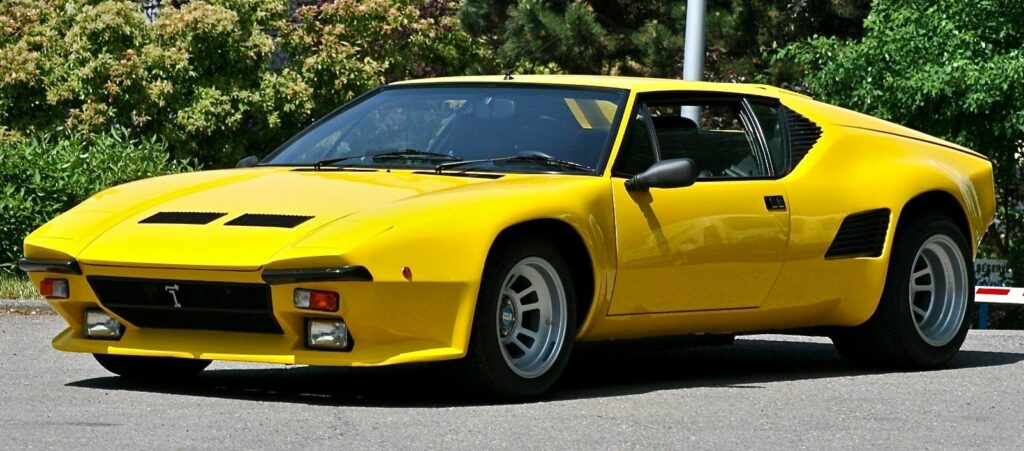





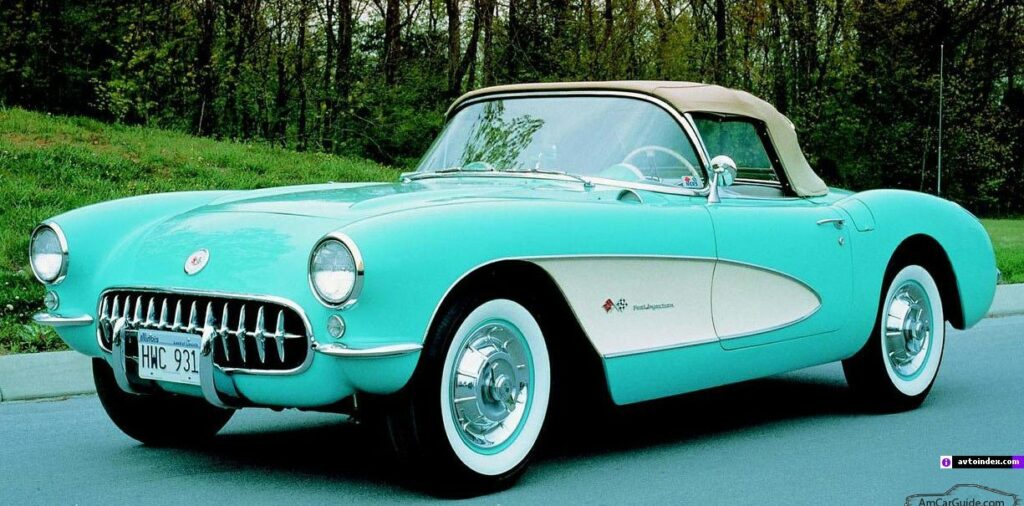
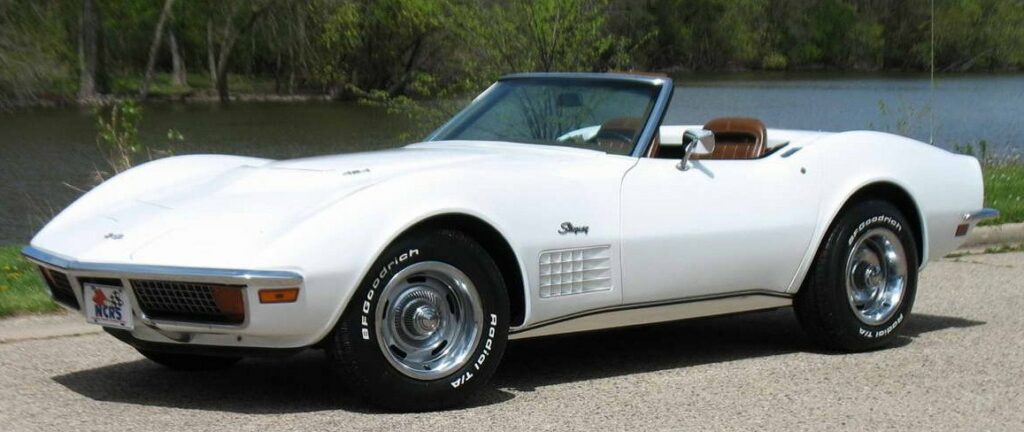



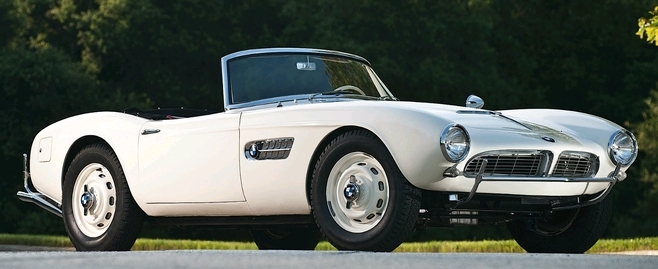
 The pre-war models were admittedly underpowered (not for the time, though), but by the late 1950s its 2.9-liter six-cylinder engine was tops. (The “H” in the description denotes that the car was fitted with Citroën’s hydro-pneumatic suspension, which made it the most comfortable ride back then, and maybe still even by today’s standards.) The TA was and still is wonderfully reliable, and in this old Frog limo I’d tour the country — any country — without a qualm.
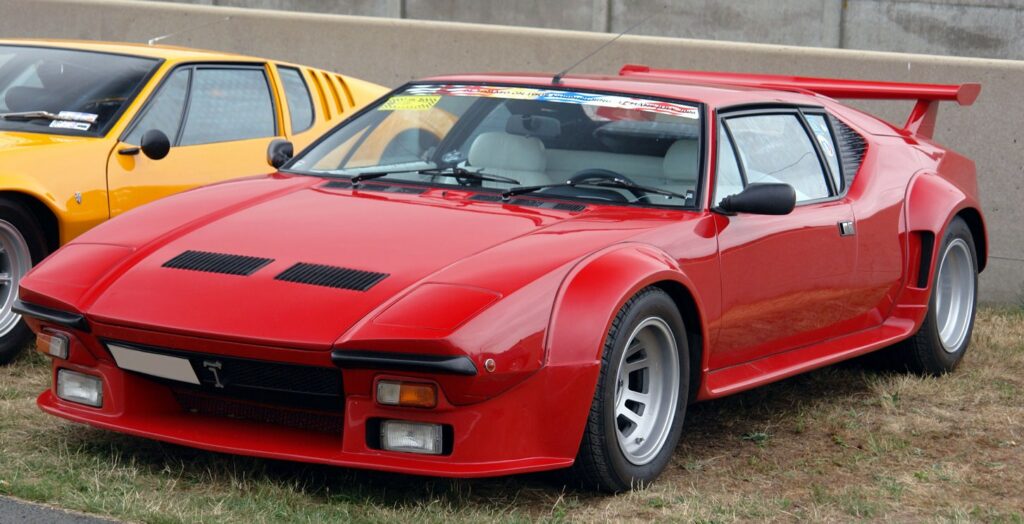
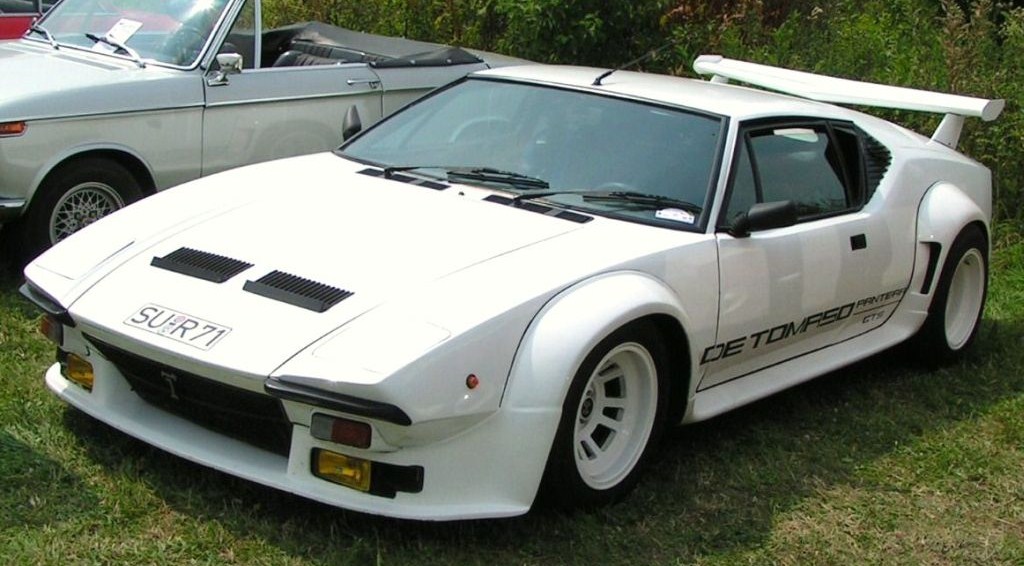
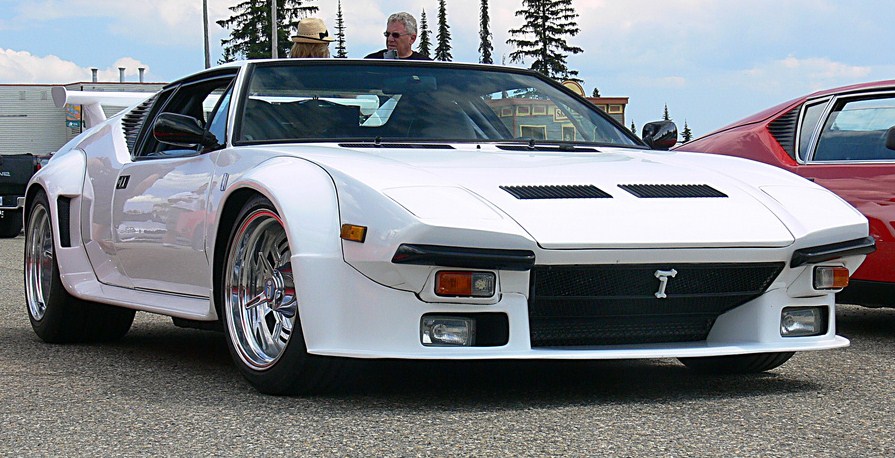
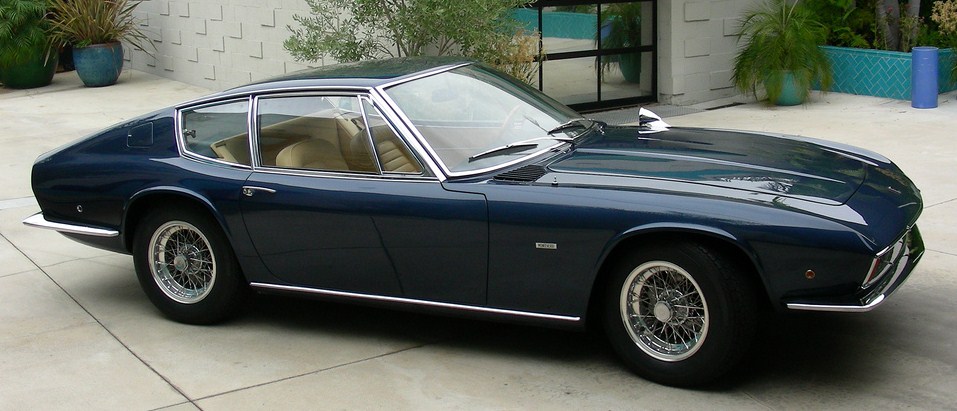 Let’s see: Swiss steel and manufacturing, Italian styling and an American engine (to be specific, Chrysler’s honking big-block 7.2-liter V8 putting out 375hp). Find fault with any of those, I dare ya — and the combination was (and is) irresistible. The only thing I don’t like about the Monteverdi is that it came only with automatic transmission — but in a tourer, that’s not too much of a compromise, really.
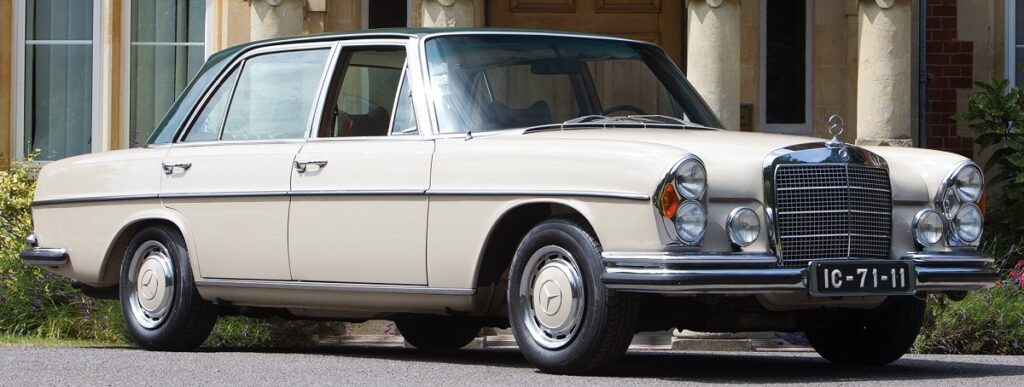 More power than anyone would ever need off a racetrack (yes, a 6.3-liter engine with serious grunt), matchless reliability (built back in the day when engineering was Job #1 at Mercedes), and classic good looks. The 6.3 actually created the “high performance” category of large luxury cars, and it took most other manufacturers nearly a decade to catch up properly.
 Okay, this one’s as much for New Wife as for me, but I’d still take one for myself in a heartbeat. It’s not a performance car by any definition, but it’s quick enough, and comfortable enough, and reliable in spades. And lest we forget, it looks classy and elegant.
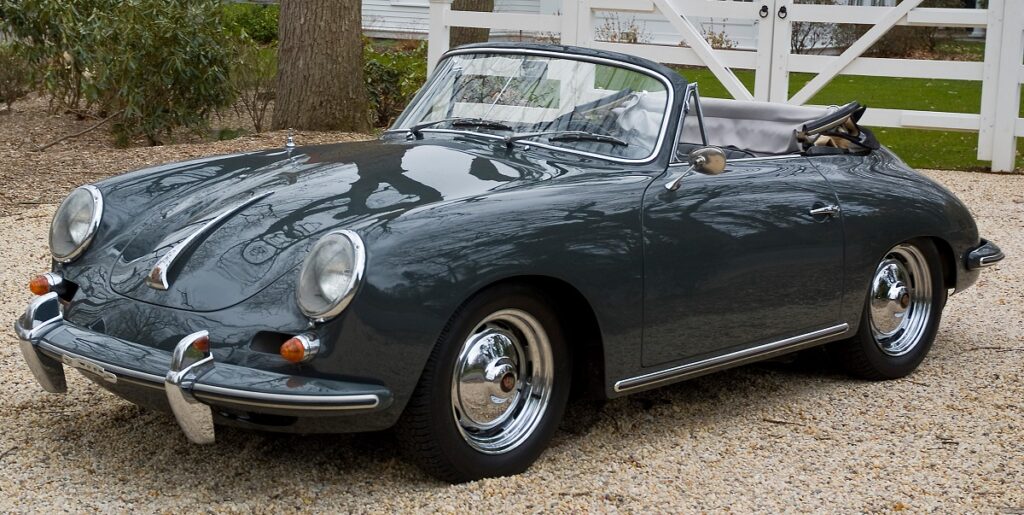 The last of the 356 line before being replaced by the 911, this one had Porsche’s 2-liter flat-four engine. What it also had (and has) is wonderful reliability and driving pleasure. What it doesn’t have (or need) is power anything, electronics and all the modern and mostly unnecessary crap that makes my nose twitch.