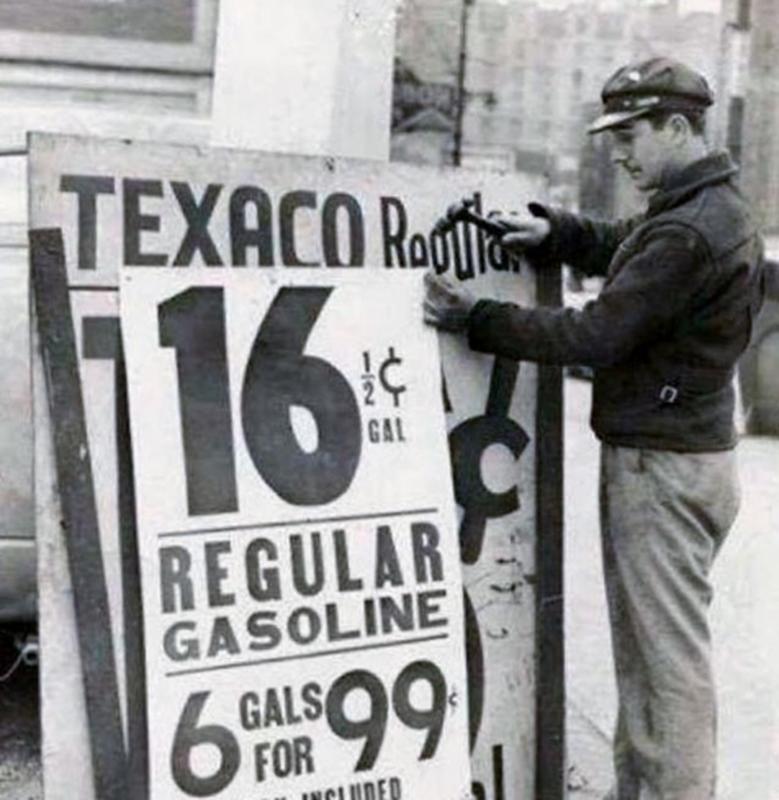
Of course, I have to fill up New Wife’s car sometime today. Thank God it’s a Fiat 500.

Of course, I have to fill up New Wife’s car sometime today. Thank God it’s a Fiat 500.
All the news that’s fit to moon:


…nice to see that the BritGov is finally “allowing” bonking à la carte. Scotland, however, is not prepared to go that far:

…oh aye, leave that shagging stuff to the Sassenachs.
…and you were doing SO WELL up until now, sweetie.
…clearly, what we need is commonsense lightning control. Or commonsense football control.

…nice to see that the disheveled BritPM has solved all the UK’s other problems, so he can devote his time to this one.

…not sure if that’s a step up or a step down, quite frankly.

…holy hell. Talk about an over-achiever… and speaking of which, here’s superslut Madonna’s little girl:
…not a bad bum, actually. And still on the topic thereof:

…to upstage that, the bridesmaids would pretty much have to go naked.
Moving from shapely buttocks to big assholes:

…errrr Mitt, old buddy; I don’t think the GOPe had much of the lesbian vote anyway. Ask that purple-haired soccer chick/bloke.
And speaking of INSIGNIFICA:



…and Keeley who, you ask?



Oh yeah, that Keeley Hazell.
…as the actress said to the bishop.
Well, our furniture and most of our stuff is back in the apartment. Have we been able to do anything with it?
Nooooooooo because the place is still not habitable (minor construction yet to be done, drywalling, electricity etc., no fridge and most importantly, no working toilets or indeed water from the faucets). So as I write this, we’re still stuck in the Fleabagge Inn, now living out of suitcases and moving boxes (because we packed them, expecting to have moved by now). Oh, and our “temporary housing” allowance from the insurance company has ended, so it’s all been out of pocket since just before the beginning of the month.
All this, plus the theft of the guns and the resulting cancellation of the Boomershoot trip has given me an attack of the gloomies.
The only good thing that’s happened to us is that thanks to the generosity of her family, New Wife is heading back to Seffrica early next month to visit with friends and family, and most especially, to meet the brand-new granddaughter. I, however, will be staying behind (because a. I can’t afford to go and b. I really don’t feel a desire to go back there). But we will be apart, the first time since we got married, and for two weeks withal.
Please bear with me as I pull the covers over my head and growl miserably.
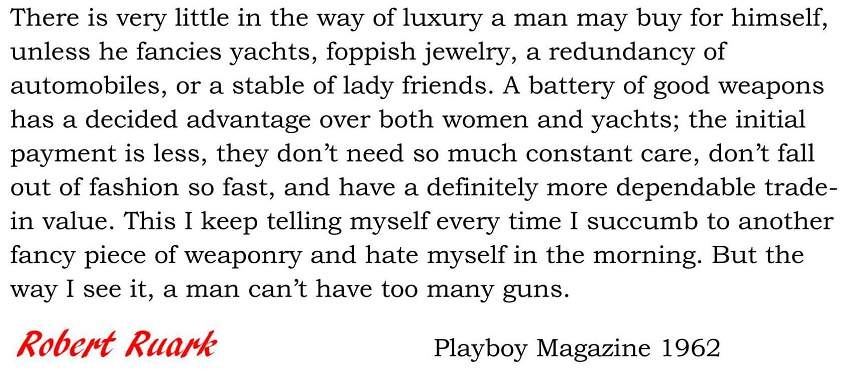
Robert Ruark (Uhuru, The Honey Badger, Something Of Value, etc.) was always one of my favorite authors, as alone among many, he “got” Africa — in fact, I think he actually coined the expression “Africa wins again” in one of his more cynical moments. Of course, he was a real hunter, so when it comes to hunting and guns, he should be carefully listened to. This was sent to me by Mr. Free Market:
And here’s a picture of Ruark, with some of his guns:
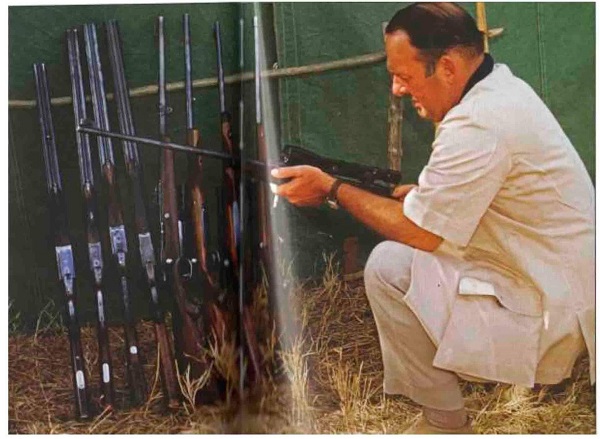
From memory, after he died (at age 49, from cirrhosis of the liver) his estate contained well over fifty rifles, most of “African” calibers (.375 H&H, .470 NE, .404 Jeffery, .416 Rigby, etc., which gave credence to one of his other books, Use Enough Gun ) and an unknown number of handguns and shotguns.
Now I’m not saying we should all copy the great man; but I am saying that if we do end up with a similar number in our collection, we should feel energized, not remorseful. I remember my own situation, back in the day…
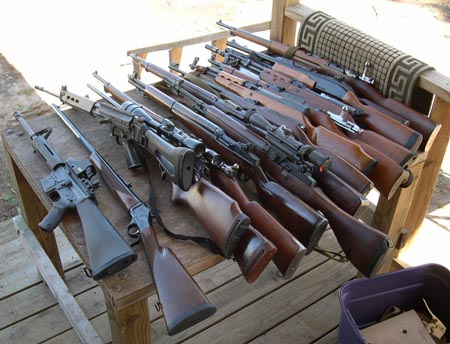
Not all of those were mine, but most were (all the Mausers, for example).
And for the record, I’ve never woken up in the morning hating myself for having purchased a gun the day before. That’s certainly not true of women.
Seen at Knuckledragger’s:
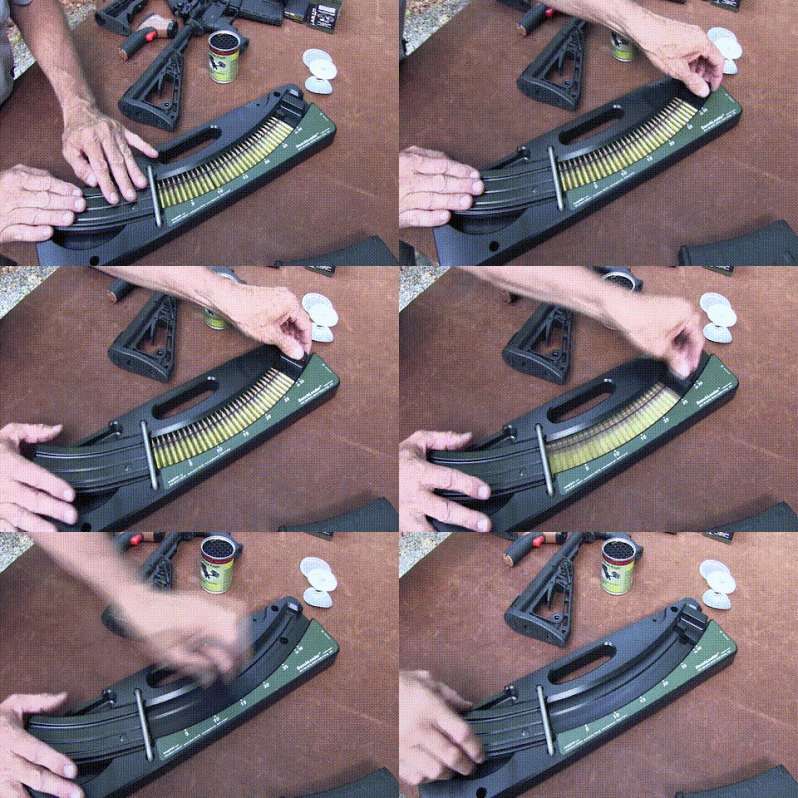
If I had one of those, I’d also have about 50 more mags and a jillion more rounds of 7.62x39mm. I hate reloading AK mags — well, all mags, to be honest.
I’ve always believed that Portuguese footballer Cristiano Ronaldo is either buried deep within the closet, or else he’s just one of the most effeminate men in professional football. Here’s why:
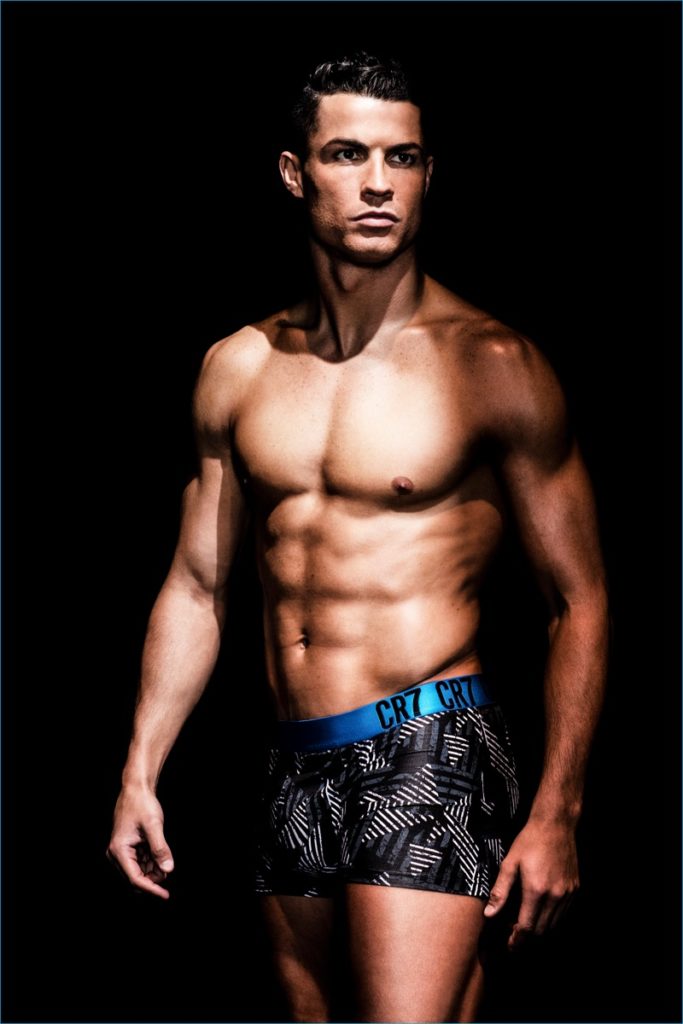

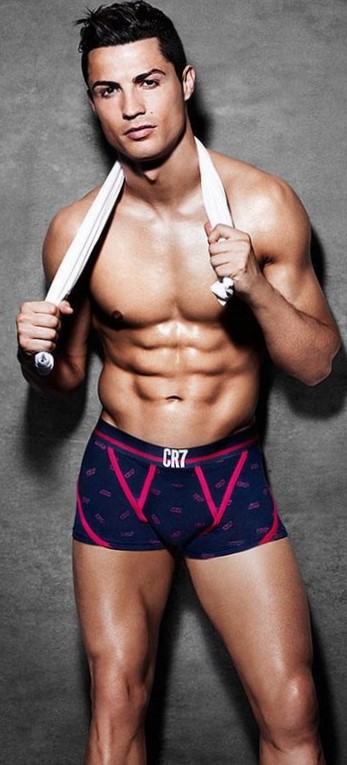
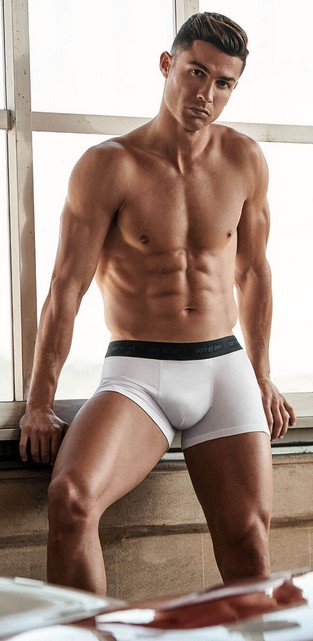
Please. I know that Euro men are typically more effeminate than the average, but (without a shred of proof) I bet that he has as many male fans as female fans — and by “male”, I mean the kind who would use the above as stroke material.
“Oh but Kim,” I hear you cry out, “Cristiano has a beautiful girlfriend, and has fathered four children by her withal.”
Uh huh. Here’s Mr. Macho at a Press conference a little while ago:

Dude’s wearing more diamonds than Liberace at a Turkish bath. (And a woman’s engagement ring?)
Not, as they say, that there’s anything wrong with all that. He’s still one of the greatest footballers ever to play the game, even if after he scores, he often does this “out of excitement”:
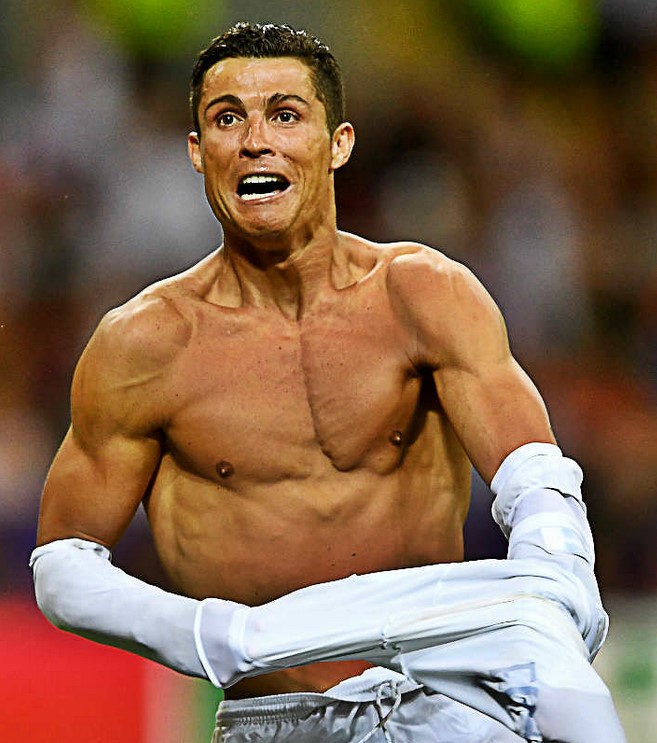
Yup. And all over the world, men of a certain persuasion get excited too, I’ll bet. Still, I love watching him play because, when all’s said and done, he’s an absolutely brilliant footballer. None of that other shit matters.