Quote Of The Day

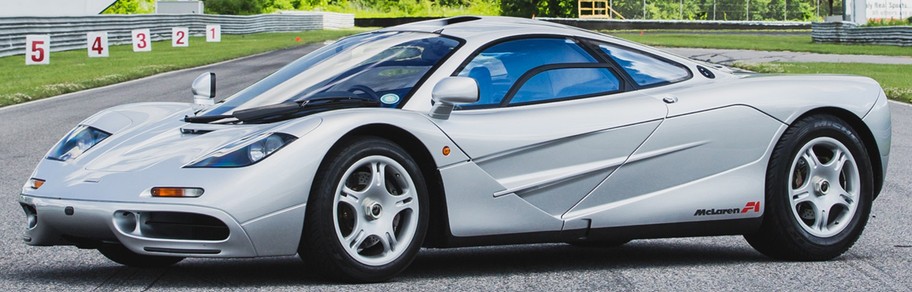
From Carl Hartley (of the Tom Hartley supercar dealership):

“The McLaren F1 tries to kill you.  It treats you like you shagged its wife and beat its kids.”

Actually, it’s being a little cheeky:  trying to kill you while it first plundered your bank balance to the tune of millions of dollars..

And he loves driving the thing.  Go figure.

Inevitable

As with so many of their articles, this one at American Thinker does an admirable job of delving deep into the minutiae — this time of the European car manufacturing malaise — and comes up with the inevitable conclusion.  First, though the writer tees up the argument with a statement that is obvious to most of us:

Looking at the global automotive market, one conclusion is unavoidable: the end of the combustion engine is nowhere in sight.

When I say it’s obvious, I mean that anyone with a brain could see that the constraints of the combustion engine’s purported replacements — electricity especially, and ditto hydrogen power — had just too many negatives to make any replacement a lengthy (and super-costly) affair.

So why, then, did the Big Brains in the German automotive industry go so hard after electric cars, devoting billions of dollars into the creation of manufacturing facilities dedicated to the Big New Thing?  Here’s AT‘s take:

But one thing is clear: an energy policy detached from economic reality, driven by climate-apocalyptic ambitions, has harmed the industry at least as much as strategic mistakes at the management level.

We’ve looked at the climate-apocalyptics many times before on these pages, and once again, we all knew that the Watermelons had an agenda that, to be charitable, wasn’t just about Global Cooling Climate Warming Change©, but also about crippling Western capitalism to “level the playing field” with Third World nations.

We also know that when it comes to that kind of neo-socialist government mindset of the German government — and most of the other Euro governments — the idea of central control is seductive, nay imperative.  So it would be logical, in their eyes, to mandate that electric cars constitute a large majority of the auto market by x date (2030), and therefore it had to happen.

Of course, when you set yourself against market forces — especially one as entrenched as automotive power — you’re going to fail utterly absent some massive and ummm super-costly infrastructure creation, even assuming that any government had the cash and resources to actually implement such a construction project inside that timeline (and none do, not even the U.S.).

Which leads to the question:  if this scenario is so glaringly obvious, why did German car manufacturers not stand up to their government and say, “No.”?

Well, all corporations are lickspittles to their respective governments in the end, so such resistance is of course unthinkable.  But Thomas Kolbe supplies another factor:

The tragedy of Germany’s automotive industry is not that it failed to recognize technological change. On the contrary: few industries have invested more resources over recent decades into researching new drive technologies.

The deeper problem is German overconfidence: a hidden statism and an arrogance cultivated by decades of undeniable success — the belief that Germany could not only identify the technology of the future but also predict its entire development path.

A mixture of technological hubris and a belief in unlimited manageability — a character flaw that prepares the ground for failure.

To believe one can outsmart the market, to know more than millions of economic actors operating through decentralized information networks: Is this the German disease?

If so, it’s a disease that has infected Germany since Bismarck’s time — the auto manufacturing industry being just the latest manifestation (the earlier one was militarism).

I guess they should have just stuck to doing brilliant engineering — except that their political class (like most political classes) are just as wedded to the concept of social engineering as Mercedes is to automotive engineering.

There’s a broader lesson to be learned here, but I’m not at all sanguine of anyone actually learning it.

Chewsday Challenge

I’ll let Reader GT3Ted set the scene for this challenge:

Hypothetically speaking, if someone were to wake up tomorrow having somehow won the current Powerball or Mega Millions jackpot, there would suddenly be a very interesting problem to solve.
After taxes, there might still be something in the neighborhood of half a billion dollars sitting around, and leaving that much cash idle seems almost irresponsible. Naturally, the search would begin for additional places to park the money.
    • You already bought a 10,000 acre cattle ranch in Montana
    • 25 sections of Corn and Wheat land in Kansas and Nebraska
    • A Smaller 9,000 sq ft place in Telluride (Aspen is sooo last Year) 
But you are still missing a good car collection.
Not to worry,   Next month is Monterey Car week and Sotheby’s is selling some of the World’s best Car Collections  (including multiple Pebble Beach Best of Show Winners).

The challenge:  pick any three cars out of the offerings.  You can give as reasons any criteria you wish (longtime dream, a gift for a very good buddy / your heir, investment, whatever).

For the terminally picky and querulous, remember that your bank account can easily handle both the cost of purchase plus any maintenance charges — it’s a rounding error, in both cases — so go ahead and indulge yourself.  Still on that topic: assume that you’re already bought yourself your dream SUV / pickup / Toyota for an everyday driver;  these three would be pure indulgence.

That said (and Ted will agree with me here), the reason that I picked three cars and not one is that any any given time, at least one and quite possibly two of the cars will be in the shop for repairs, so three is a prudent number.

My three choices are below the fold, listed in no particular order because I drool over all of them equally:

Read more

One Good Reason

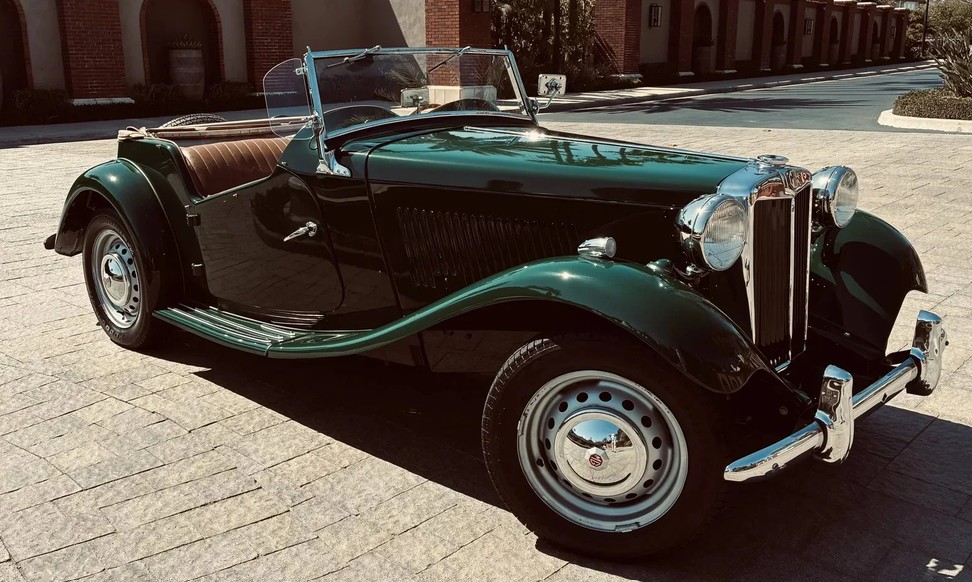
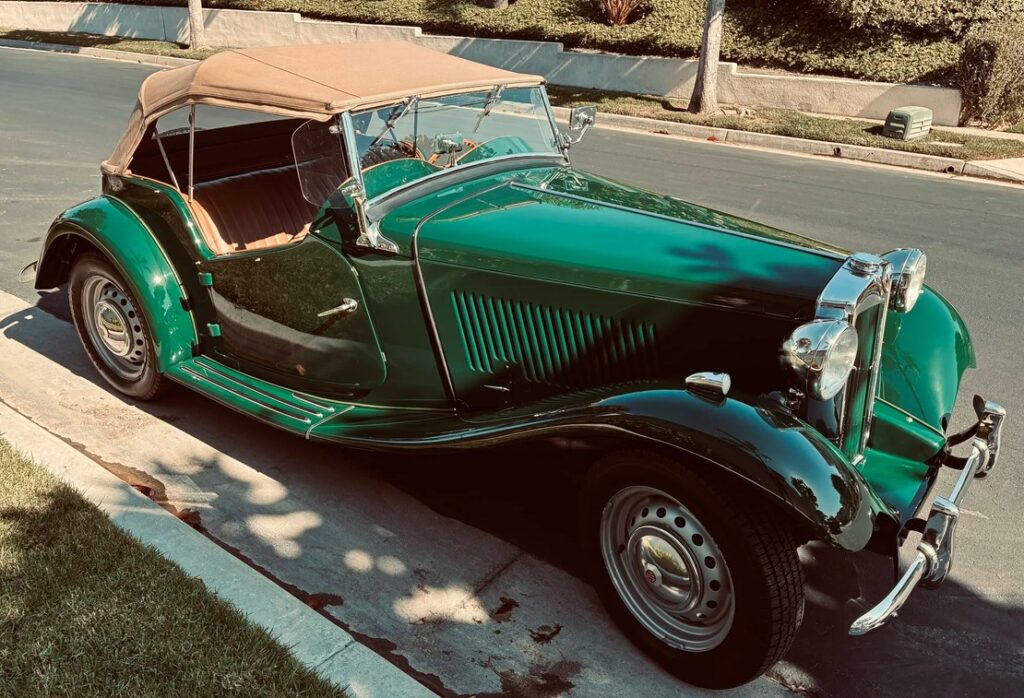
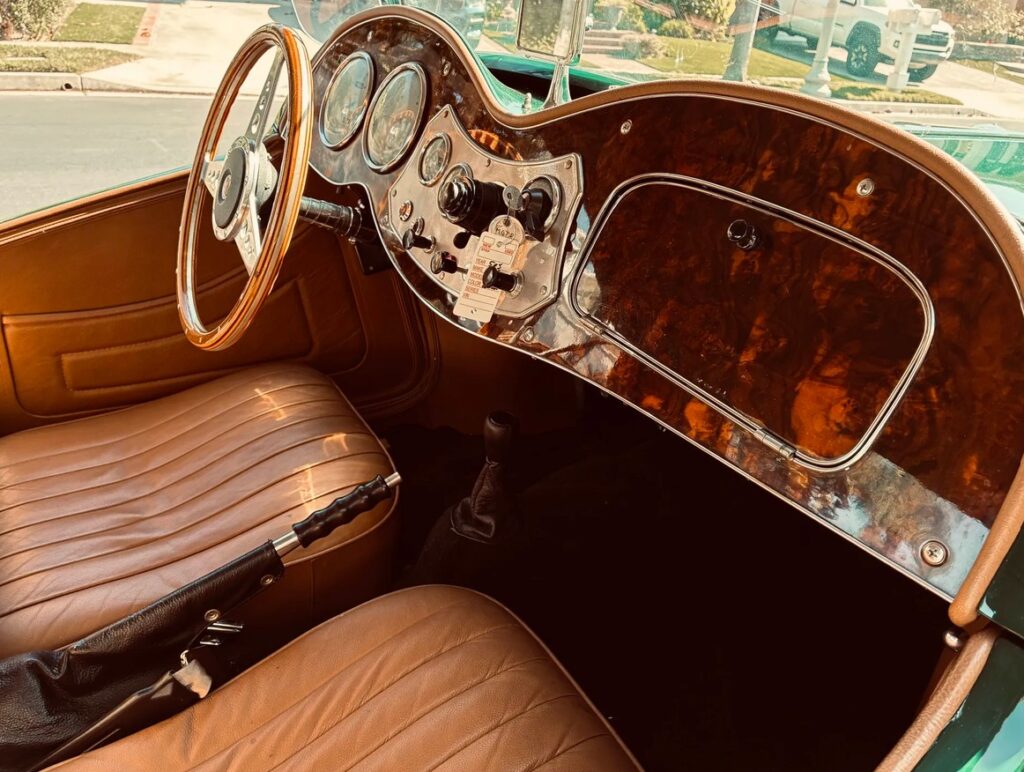
I can think of about fifty good reasons not to live in Califuckingfornia [187, actually], but there is one reason to think about living in San Diego or thereabouts, and that’s to enjoy owning a car like this 1950 MG T-type sports car:


(details in the link)

You can’t really drive this beauty anywhere that isn’t warm and relatively rain-free — which would straight away rule out Texas (heat, massive downpours), Florida (ditto) and Wisconsin (bitter cold and snow), to give but some examples.  Or just resign yourself to driving it only a couple months a year, on a day-by-day basis.  So:  southern California exclusively.

But $25,000 for a sweetie-pie like this, in this condition?

Have mercy.  It’s almost enough to… errr no it isn’t.

Some Reader Choices

…for Saturday’s “Going Back In Time” theme.

From Reader Joe D. (who reminds me that he lives in interior Alaska):

1976 Chevy 2500 (just not in this sad color)
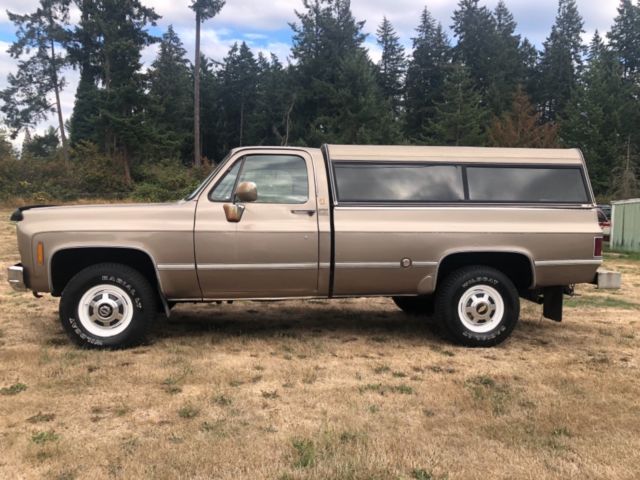
Basic 350 cu in engine / 4 speed manual trans / 4-wheel drive

He already has the “blonde & toiletries bag” part covered (’76 MGB)
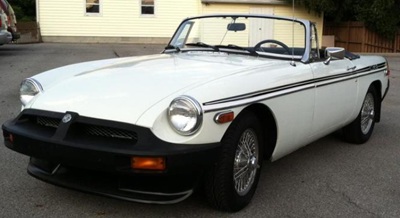
…but requires help:

You happen to know a 1960’s Barbara Eden clone who can fill the “blonde” part?

Rifle & fly rod skills are a plus.

Not asking for much, are ya?


Next we have Reader John H., who starts off with a little bragging:

You recollect that I already have an Austin-Healey and an MGB-GT, but those are not daily drivers anywhere anymore.  [quelle surprise — K.]

Instead, I have a 1973 Mercedes 280C.
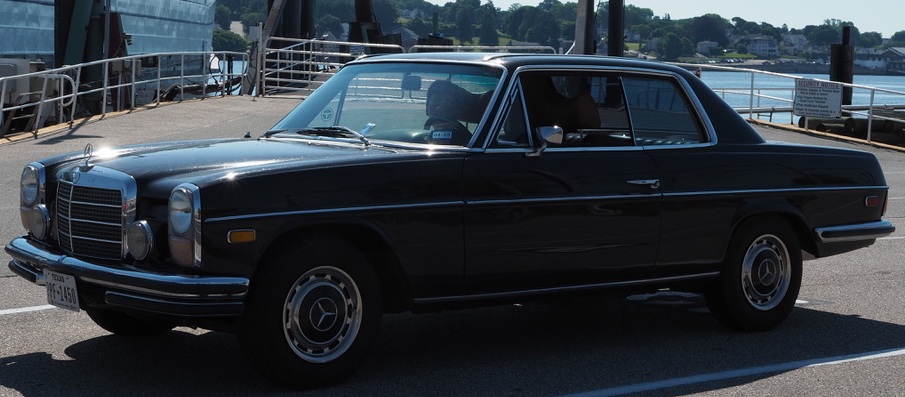
Elegant, comfortable … factory air, cruise all day at 75-80mph.  Ours is a little rough, in North American spec so only 135HP instead of the proper 165, but when I get around to an engine rebuild, we can fix that!
Of course the 280CE model with Bosch fuel injection offered 185HP, and was available with a 4 or 5-speed. No matter, we have twice driven the 280 from NY to Texas.

I love that car — it’s the earlier model of the one I featured in my choices.  Jealous, I am.


From the Comments, we have Reader GT3Ted:

1963 Corvette Sting Ray
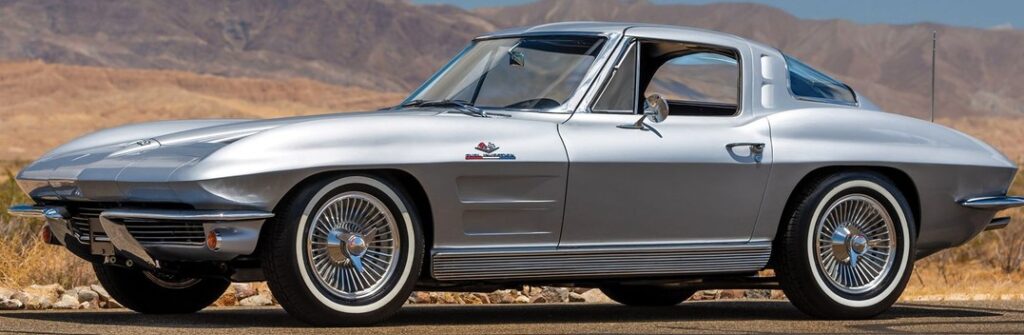
That’s one car I could still drive today on a daily basis today that would meet most of my needs. It would keep up with modern traffic. A coupe to deal with New England weather and with some storage for trips and a reasonable ride. Downside of course is bad gas mileage, poor lights, marginal A/C, questionable brakes… skinny tires… on second thought maybe I’d just bring back one of the cars I did own back then.

LOL

72 Porsche 911S (2.4-liter)
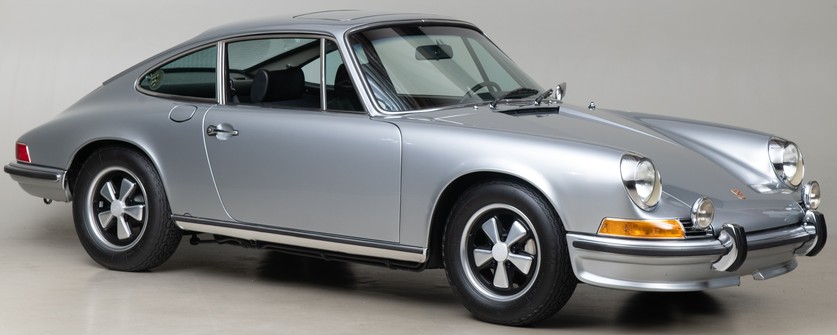
I drove mine across the country several times, easily doing 800 to 900 miles a day.  No A/C but the vent window’s in the back propped open and it could cruise all day at 80 while carrying 2 people and luggage for a week.

No A/C = automatic disqualification here in the Lone Star State.  But a good choice, for all that.


Over in Euroland, Reader jwenting would take one of these:

1989-90 BMW 320i (E30 configuration)
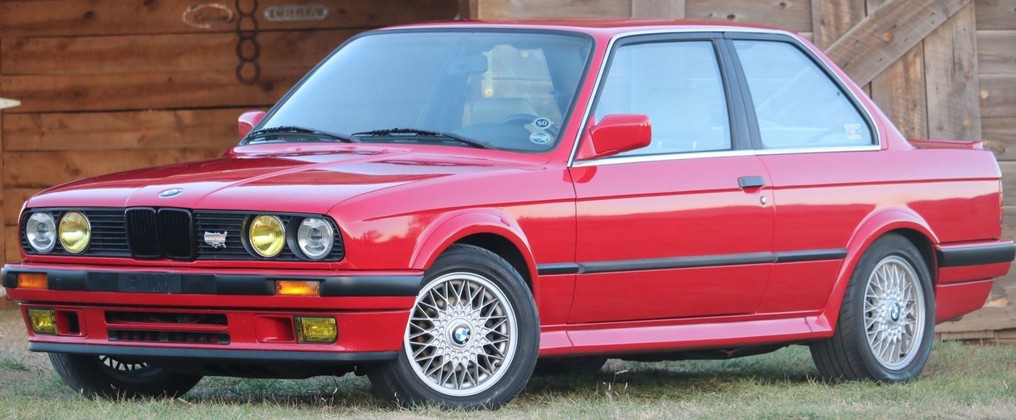
Gotta say, I love that one too.  I had its little cousin, the 318i, and it was the best car I’d ever driven until that point.


From Reader Don C., here in Texas:

1995 GMC K1500 (Z71 package)
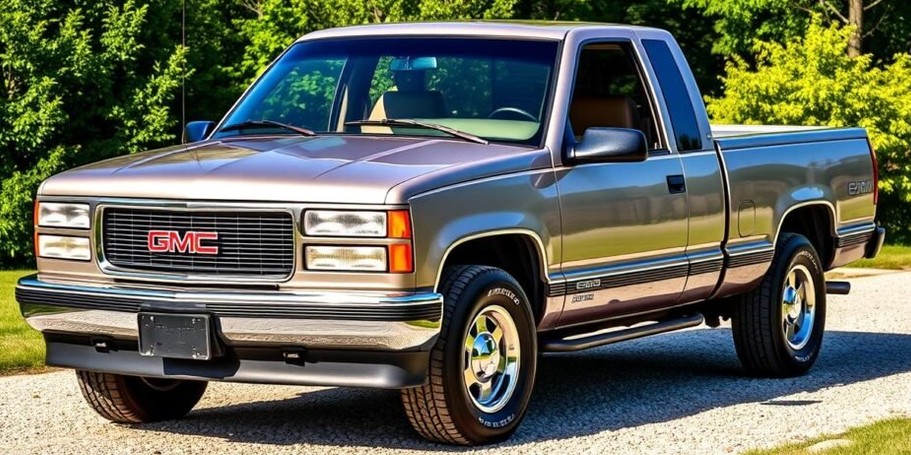
Extended cab, 4WD, with the Z71 package.  A nice 350 V8 and no electric nannies.  I’d take a brand new one off the showroom floor in a heartbeat and never look at another truck again.  You still see these trucks almost daily in Texas, so you know the longevity is there.  It’d easily be my last vehicle I’d ever purchase.

No argument from me.


Reader TopCat wants his “first real car” back.

1967 Chevy Nova SS (L79 package — 327cu / 350hp)
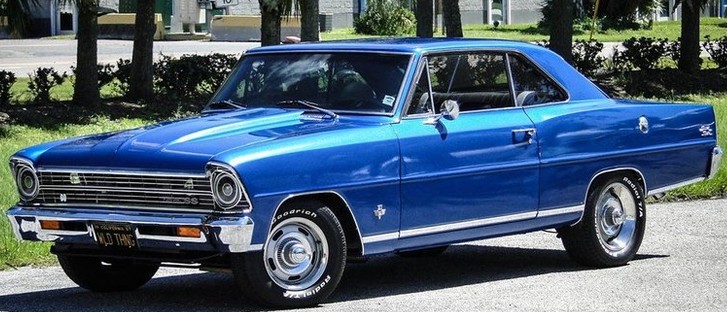
I got it in 1975 with 13xxx miles and sold it in 2009 with 51xxx miles on it.
A dream to drive, quick as a mongoose and cheap and easy to fix.

I’m having a little problem imagining that land barge being “quick as a mongoose”, but okay.


And a latecomer (forgiven because he lives in shall we say a faraway time zone), Reader Skippytony chimes in with his selection(s):

2003 BMW 540i (E61) wagon
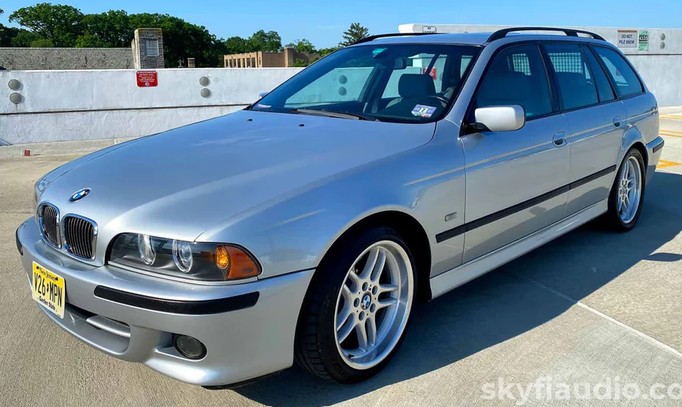
199 Mercedes E355 AMG wagon
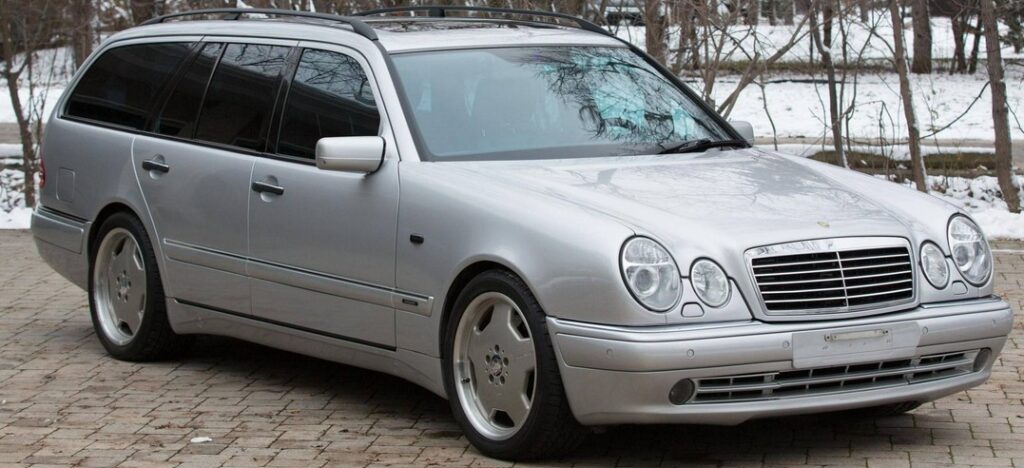
Some people like “hot hatchbacks”, and some (like Skippy and I) like “hot wagons”.  That Merc is a monster.

1990 Mercedes 560 SEL AMG
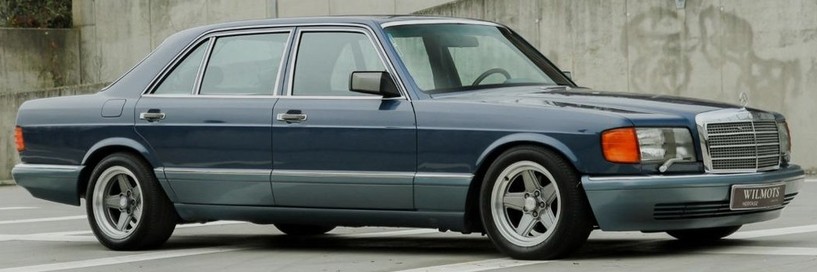
Merc’s answer to Cadillac in the Luxury Land Barge category, except that the AMG is about six times quicker than any Caddy made before 2000.


More as they come in.