Null Set

From that Yglesias twat:

Name one.

Seriously.  I have studied Nazi Germany extensively for well over half a century — both as an amateur historian* and as a serious student (as part of my Western Civ major) — and I’ve yet to come up with a single Nazi “idea” that can be called good.

And I don’t accept the red herring about aeronautics and blitzkrieg, for instance.  Those were engineering and military ideas conceived by Germans, not Nazis;  and in many if not most cases, they predate the NDSAP’s assumption of power in 1933.

If you exclude any “good” Nazi ideas that weren’t related to making war, propaganda or genocide more efficient, or furthering the Nazis’ obsession with race, you’re not going to find any.

Ich habe Dachau gesehen.

Oh, and please don’t even think of the “medical advances” made by using concentration camp inmates as guinea pigs, because that just turns my stomach.  Ditto the “miracle” of keeping their industrial centers going despite the Allied bombing, which they achieved only through extensive use of slave labor.

So as a piece of provocative writing, Yglesias’s little statement is cute — but it’s also specious.  The Nazis had no good ideas, and to even suggest they did is either malicious or moronic.


*I first read Shirer’s Rise And Fall back when I was in high school, and have re-read it maybe a dozen times since.  Ditto works from Erich Manstein and a host of other military figures.  Even that slimy little shit Albert Speer’s Inside The Third Reich  has been on my bookshelf.  And the lasting impression from all of them is that the Nazis were absolutely hopeless, at everything.

What A Year

Here’s a little (okay, hour-long) look at 1965, a year which changed, well, pretty much everything.  (It’s horribly edited, but just go with the flow.)

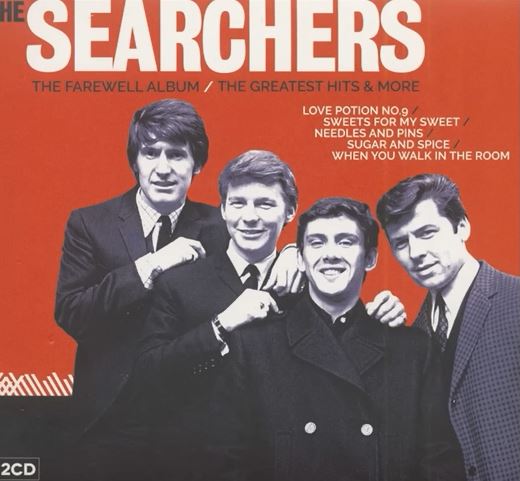
Imagine releasing an album that had all these hit songs on it — from a band that nobody had heard of, and who have since been forgotten.

My favorite of that lot?  Needles and Pins.

Never mind all the other more well-known stuff from the Stones, Beatles, Beach Boys, Dylan, Yardbirds, Four Tops… and the list goes on an on.

Now let’s talk about the changes in fashion, and attitudes.  My Generation, indeed.

And then came Rubber Soul.

Reminder

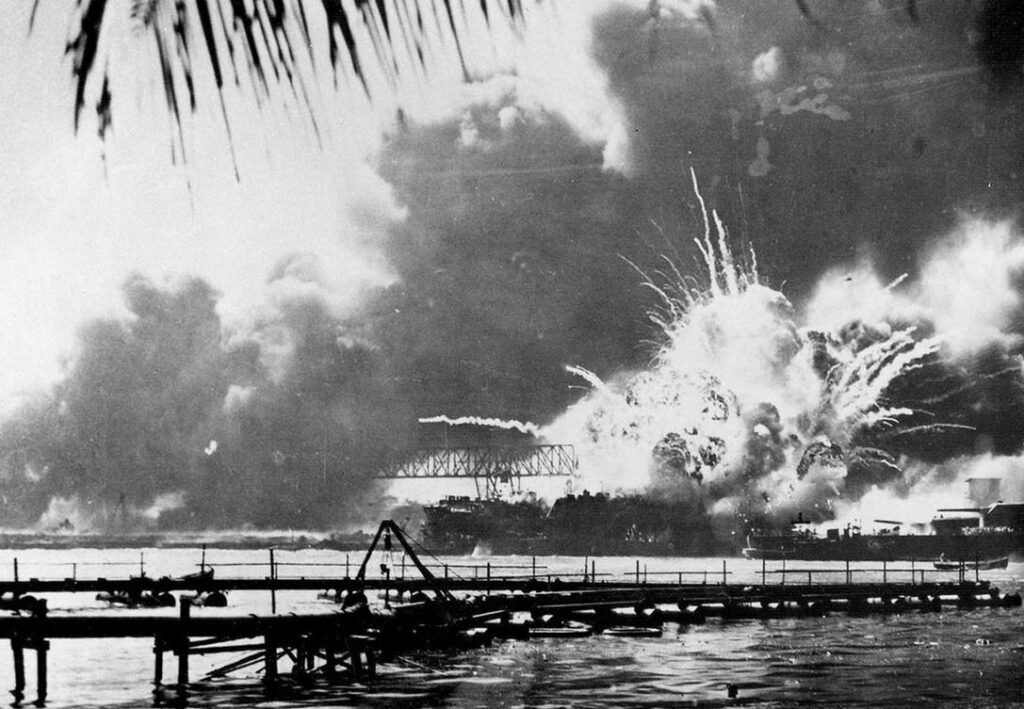
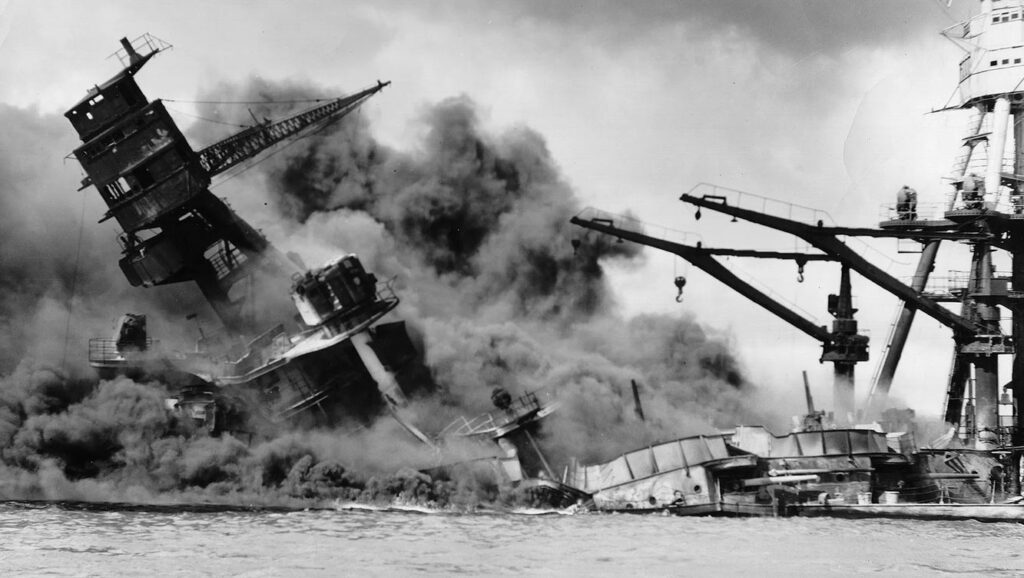
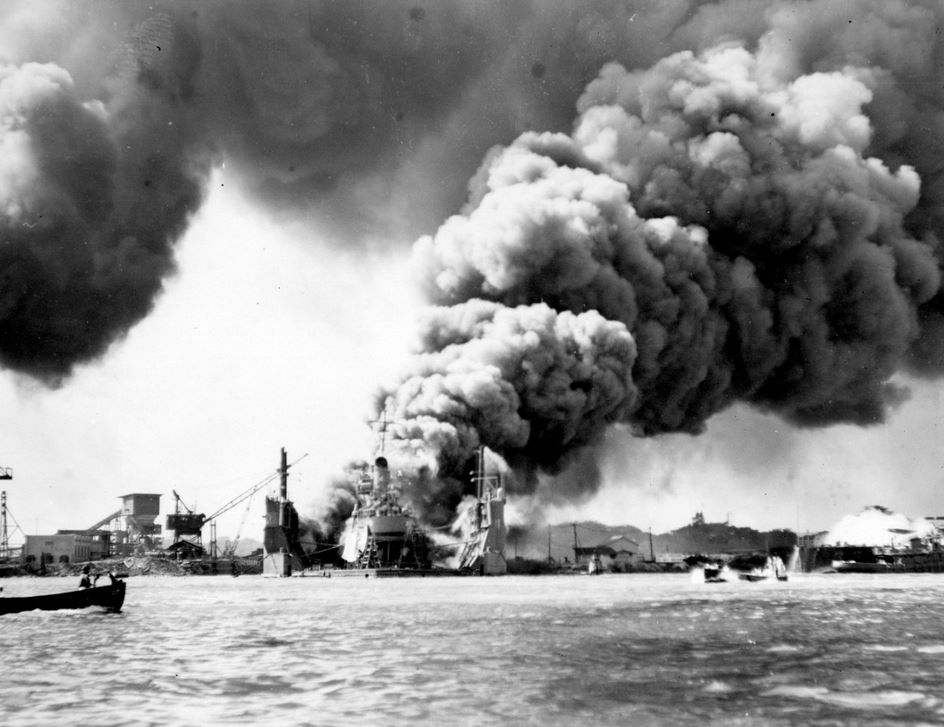
On this day, a few years ago:

Not that we’re still angry about it, or anything — or else Toyota wouldn’t still be the top-selling automotive brand in the United States.

From The Archives

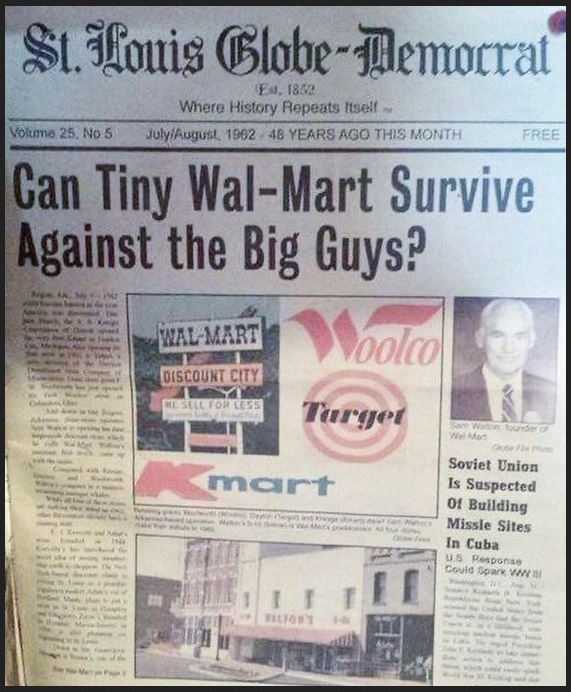
Seen SOTI, this intriguing little question:

Note too the reference to Cuba.  Then this:

Someone tell James Cameron… and speaking of getting it wrong:

Still asleep, apparently.

Finally:

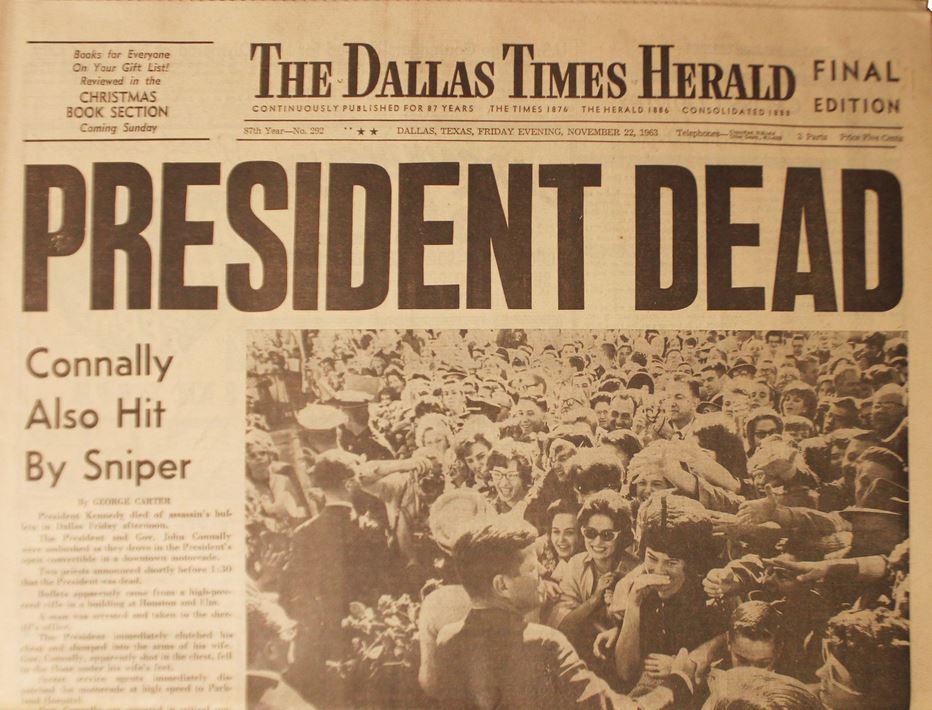
Given the newspaper, I’m amazed they didn’t lead with “Connally Shot” and only then in the sub-head: “Kennedy Caught In Cross-Fire”.

Good times, good times.

Highly Recommended

I just finished reading Lynne Olson’s Citizens Of London, and all I can say is I wish I’d read it before Tony Judt’s Postwar (which I recommended earlier).

Of course, as a keen student of 20th-century European history, I’m very familiar with the WWII period — or at least, I thought I was.  In fact, I’ve always been more interested in the military history thereof rather than the diplomatic side… and Citizens Of London  took care of that for me, in spades.

Oh, good grief:  how could I have been so ignorant?  Of course I knew about Edward R. Murrow (“the voice of the Blitz”), and Averill Harriman (more so for his post-war career).  But Gilbert Winant?  All I knew about him was that he was successor to the horrible-in-every-way-imaginable Joe Kennedy as U.S. Ambassador to Britain, and I vaguely remember him as one-time governor of New Hampshire.

Olson’s book has set me straight on that, and if you are similarly ignorant about this period and these characters, it will do the same for you.  Run, don’t walk, to your favorite bookstore or to Amazon, and buy this book because it will change your perspective on WWII completely.

I should point out in passing that in this history, Franklin D. Roosevelt does not come out well (not that this is a Bad Thing, of course), and nor does his successor Harry S Truman.  And I have never read so personal and compelling a story about not just Winston Churchill, but also the entire Churchill family during this period.

It is clear that but for Murrow, Harriman and Winant — with an excellent assist from Dwight D. Eisenhower — there may well have been a completely different outcome to the events of 1939-45.

And if that doesn’t get you to read Citizens Of London, we can’t be friends.