Fire This Asshole

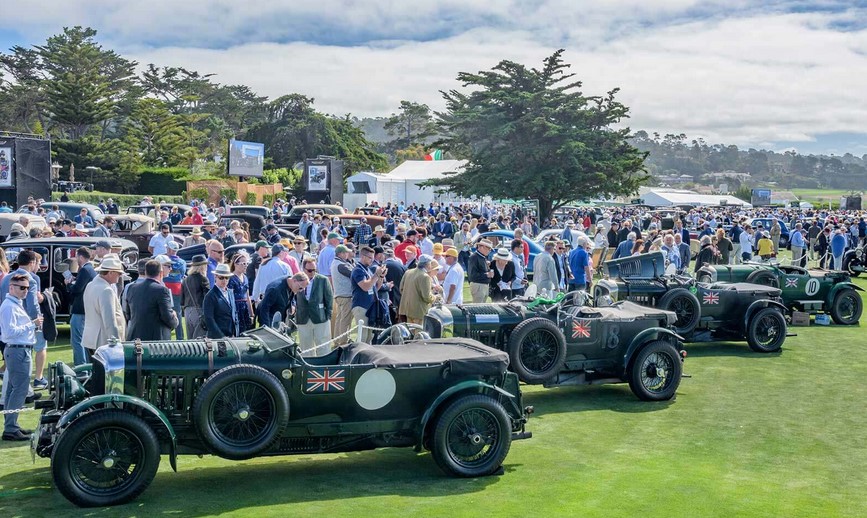
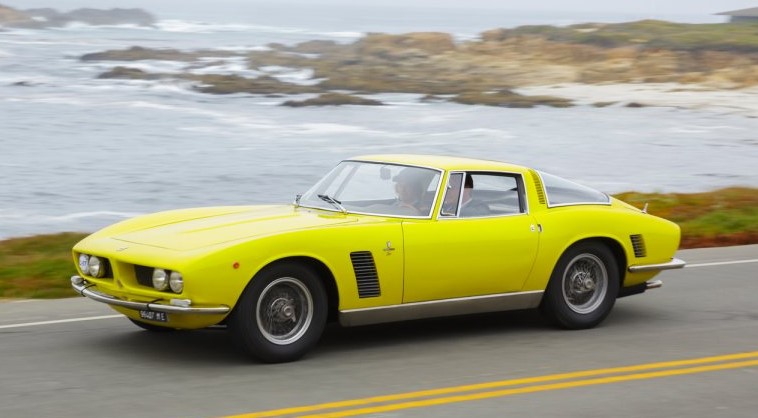
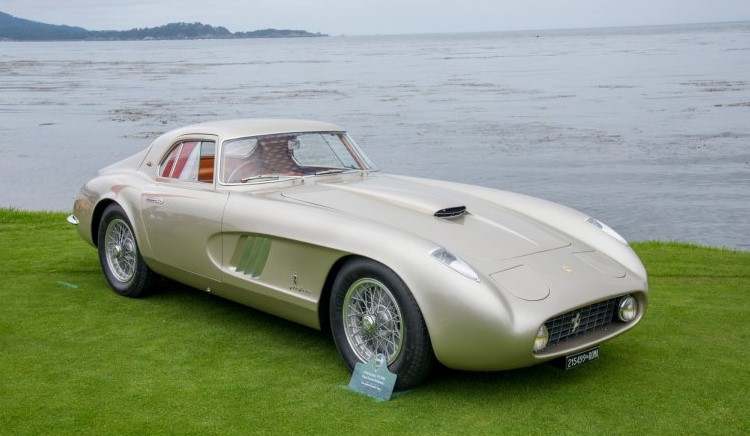
Last Sunday was the Pebble Beach Concours d’Elegance, whereby car enthusiasts converge on the famed golf course and drool over the various examples of automotive gorgeousity strewn around like a rich man’s carelessly-scattered diamonds on green velvet.
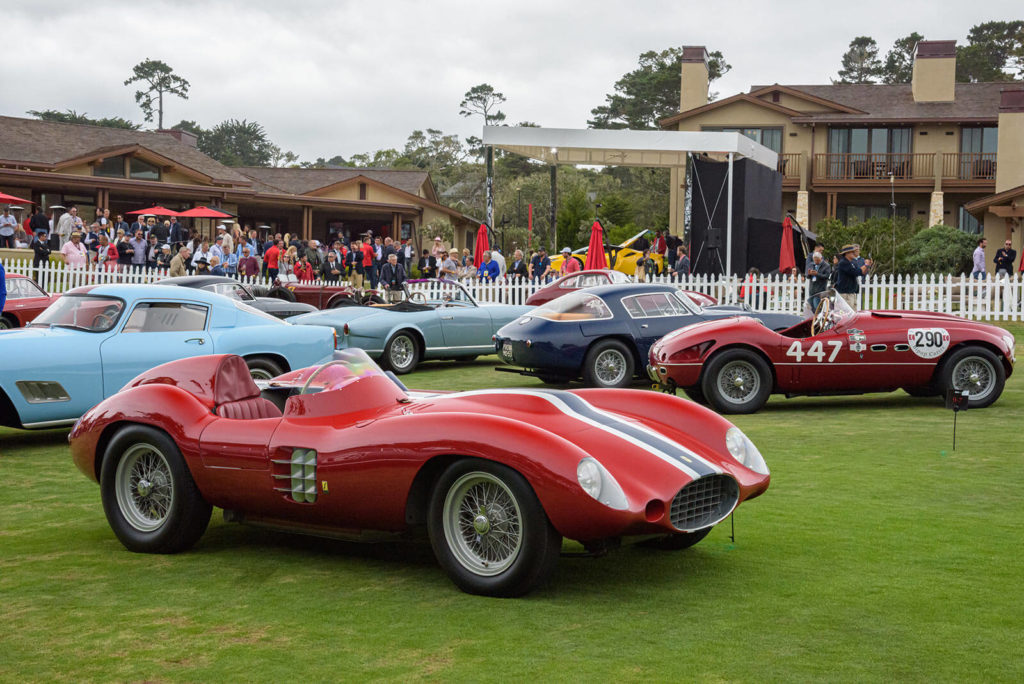
Here are a couple other examples:

Iso Rivolta:
Ferrari Pininfarina:
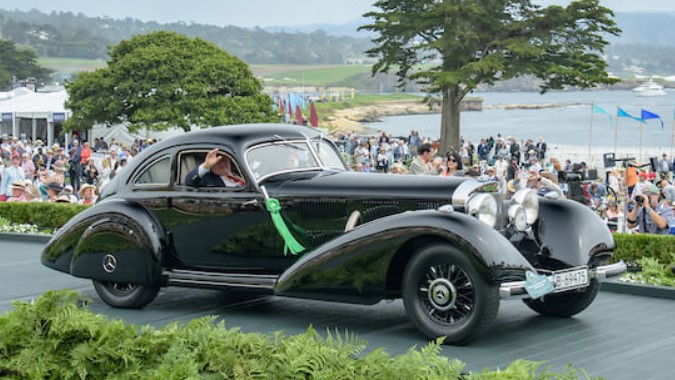
And all was well in the land, until this little Wokist twerp got in on the act:

Let’s get two things cleared up before we continue. The first is that while the Pebble Beach Concours d’Elegance is certainly far from the most momentous cultural event of the year, it is the most prestigious car show anywhere in the world. For a few days in late summer, the 18th fairway at the Pebble Beach golf course is the very highest point for any rich person who covets vintage cars, and the highest honor for any person working in the business of restoring classics.
The second is that Mercedes was not just a car company that was busy at work doing normal car stuff during the time in which Nazis were in power in Germany. Mercedes was an early and direct supporter of Adolf Hitler long before he took power, helping him out while he was still an outsider figure in Bavarian politics. When Hitler got out of prison in 1924, he got picked up in a Mercedes-Benz.

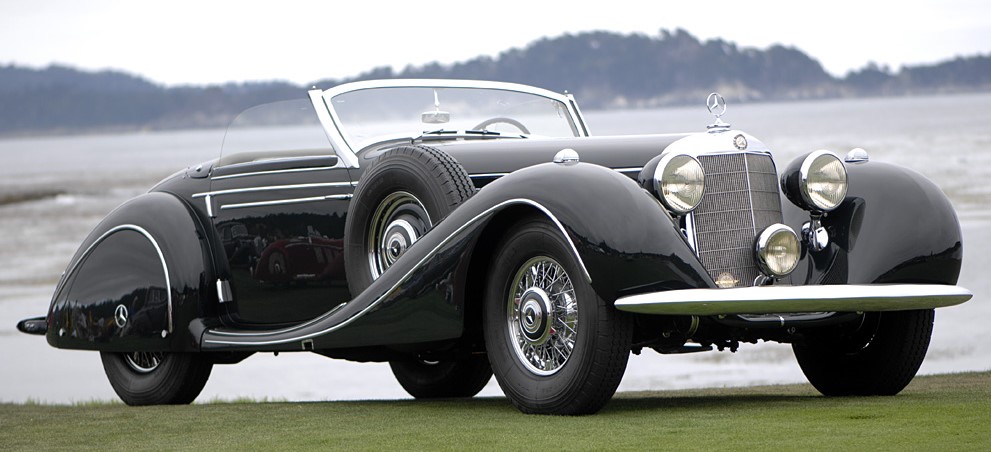
Ergo, says this girlyman, we should not have the 540K as the winner because it was driven by Nazis.  Here’s the car in question:
And then this:

This is exactly how this car is seen in this world of the mega-rich: an encapsulation of “the optimistic mood” of Germany in 1934. Let us ask: for whom was this an optimistic time, and who is the kind of person who looks back on that time now, remembering its icons for their … optimism? Rich people, that’s who.

Wow… wealth envy and oh-so laudable “anti-Nazi” sentiment all wrapped up in a neat little bundle.  Read the whole thing to get the RCOB that Longtime Reader Ken S. warned me I’d get, when he sent it to me yesterday.  And I did.

Even better is that the writer suffers from the usual hypocrisy of his ilk, in that he owns a… Volkswagen Beetle, surely the most Hitlerish of all German cars of the 1930s.

So just for the hell of it, feast your eyes on a couple other examples of this eeeevil car:
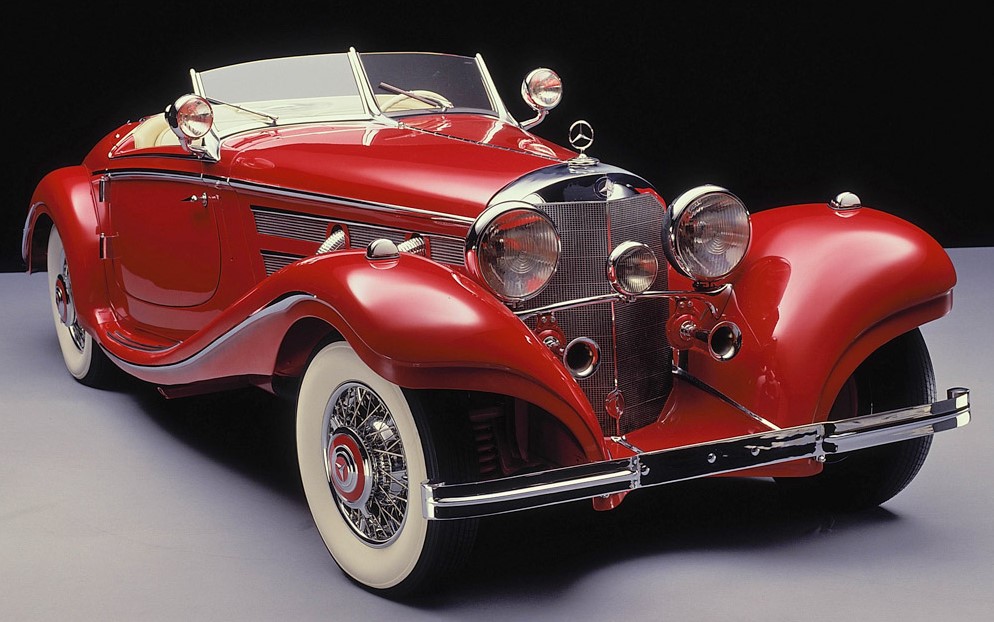
And to hell with this wokist revisionism.  Let’s just enjoy the automotive excellence.

Pity, though:  I used to enjoy reading Jalopnik.
Automotive Control

Over the past couple years, I’ve taken a lot of guff from people when I’ve stated my implacable hostility towards the Internet Of Things [spit]  intruding on my private life, and specifically when it comes to my car.

“Oh but Kim,”  the response comes, “think of the convenience of not having to drive!” , etc. etc.  My retort to giving up control of one’s vehicle is usually, “Giving up control to whom, exactly?”

Well, here’s a little example of what I could see was coming down the pike:

The bipartisan infrastructure bill includes a provision that would require auto manufacturers to equip “advanced alcohol monitoring systems” in all new cars.
Buried in the massive proposal—which is already longer than 2,700 pages—is a section titled, “ADVANCED IMPAIRED DRIVING TECHNOLOGY,” which mandates new vehicles include “a system that … passively and accurately detect[s] whether the blood alcohol concentration of a driver of a motor vehicle is equal to or greater than the blood alcohol concentration” of .08, in which case the system would “prevent or limit motor vehicle operation.” Automobile manufacturers would have a three-year grace period to comply with the regulation.

Here’s another prognosis to this already-ghastly invasion of our privacy:  it won’t stop at “prevent or limit motor vehicle operation”.   Given the all-pervasive network of operations from Skynet, what is to stop the government (federal, state, local or a combination thereof) from levying a fine for drunken driving (to be deducted automatically from your bank account), as well as sending your car’s GPS coordinates to Officer Friendly at Hometown P.D.?

Tell me I’m exaggerating or overstating the thing, I dare you.

But it’s all for our own good, isn’t it?  So why would I be so upset about this?  After all, seatbelt mandates have saved countless lives, so why not apply the same rationale for car immobilization and punishment for intoxicated driving?

By all means, let’s all get upset when the government suggests implanting computer chips into guns so that they can be controlled by law enforcement during times of emergency — “That’s like totally beyond the pale, dude.”

This car nonsense is precisely the same thing, being suggested for all the same reasons.

I foresee a rush towards the purchase of older cars which don’t contain computers of any description — until, of course, the government outlaws ownership thereof.

Once again:  tell me I’m exaggerating or overstating the thing, I dare you.

Before Chips

Inspired by the post above, let’s assume that you could get your hands on three mint-condition (as-new, restored or even resto-modded) cars which were made without an onboard computer (say, for the sake of argument, before 1986), which three vehicles would you choose?  (Ignore price and maintenance costs for the sake of the exercise.)

You can have a truck, car, SUV, or any combination (two cars, one truck;  truck, car and SUV;  three trucks, etc.).

Mine:

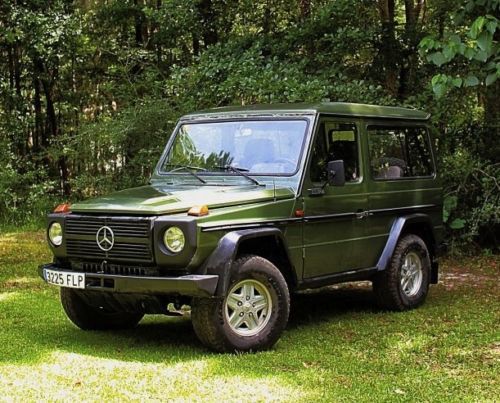
1.)  1984 Mercedes 300 D Geländewagen W460

With a towbar and a/c, that’s my go-to truck/SUV combination.

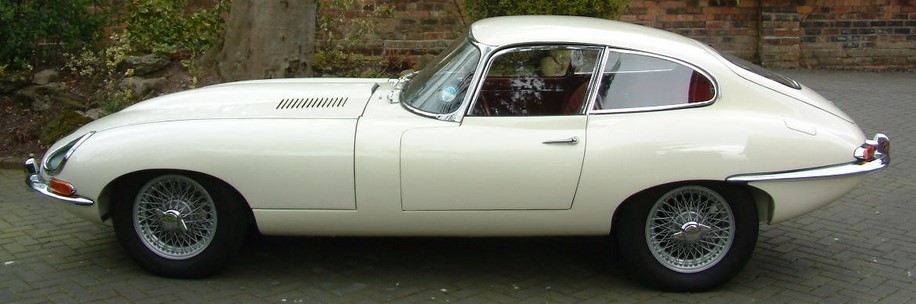
2.)  1962 Jaguar E-type 3.8 Fixed Head Coupé

‘Nuff said.  And for a luxury, effortless drive:

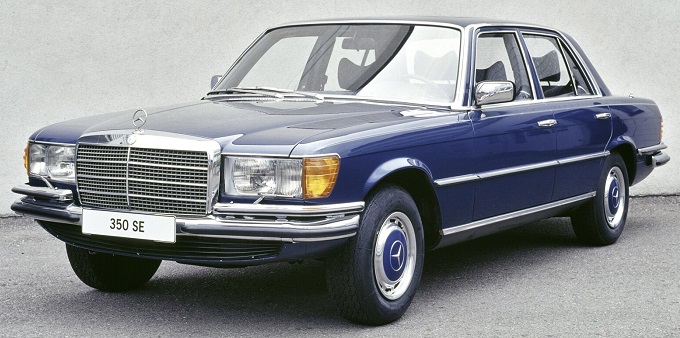
3.)  1975 Mercedes 350SE W116

All day, baby.

Your choices (with reasons, if wanted) in Comments.

The Other Ferrari

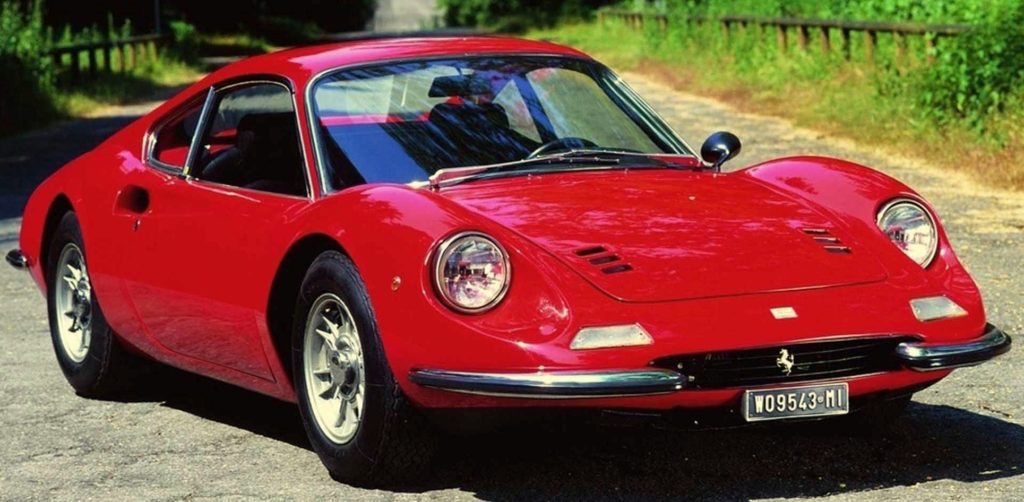
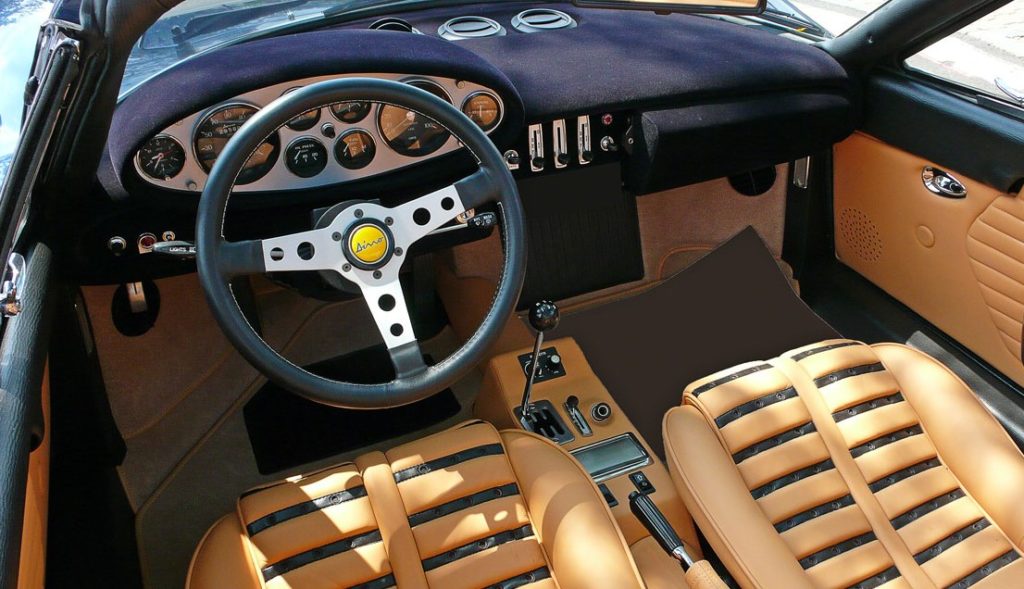
An email from Reader Larry F asks:  “I know you love the Dino 246, but you also admit that they’re not that great to drive.  If you could have any recent Ferrari (produced since the Dino), which one would you choose?”

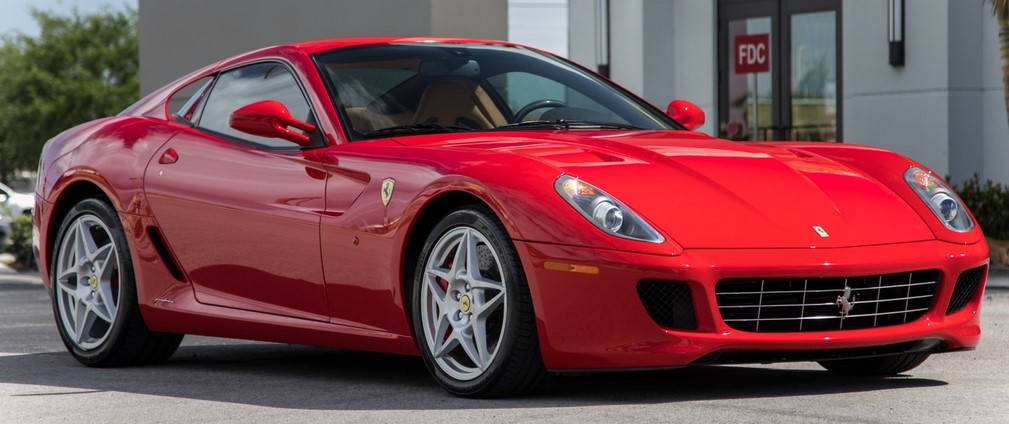
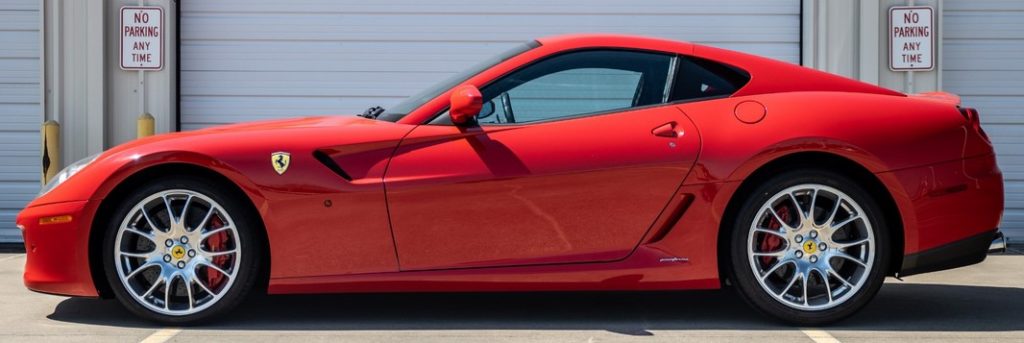
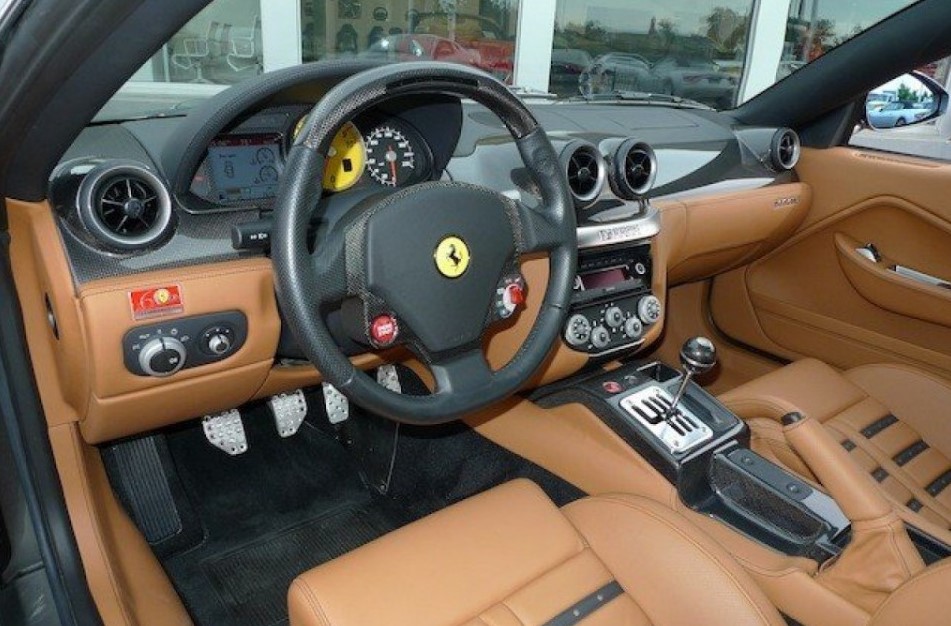
That’s actually an easy one.  The only Ferrari I’d care to drive today (other than the Dino 246) is the last model Ferrari offered with a stick shift, the 599 GTB of the early 2000s.

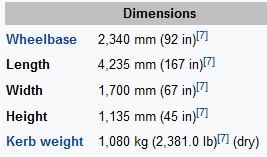
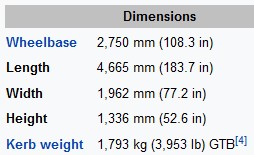
Here’s a comparison of the two:

I need to make a couple of points, though.  One of the things I love about the earlier Ferraris like the Dino is that they’re small and nimble.  After that they started growing and growing, until we finally arrived at elefanti  like the 599.  Here’s the comparison between the Dino and the 599 (l-r):


By comparison, the Dino is the nimble teenager while the 599 is its fat-ass Italian mama.

Of course, the power is not comparable, the 246 GT’s V6 192hp being dwarfed by the 599’s V12 612hp (which it needs to get that extra 1,600lbs moving).  I wouldn’t care about acceleration (0-60:  7.0secs vs. 3.7secs) or top speed (148mph vs. 208mph) unless I were at Spa-Francorchamps, which is never gonna happen.

I’ve never driven the 599, but it’s probably a lot easier to handle than the Dino, so there’s that.

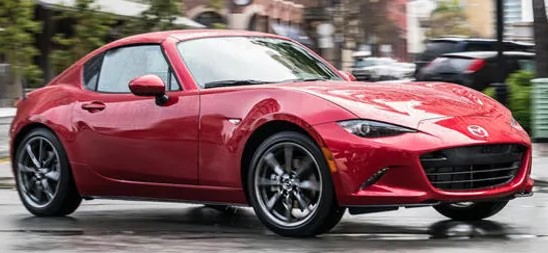
But in looks, the Dino still wins by a country mile.  The 599 looks like a fatter Mazda Miata RF:

YMMV.

Emptens Interruptus

Just when I thought I’d finally found a car which suits my needs (smallish saloon, stick shift, decent horsepower — turbo maybe — with decent reliability), comes this news:

The new Civic sedan already looked good. It’s got a sharper design, a nicer interior, and loads more tech. The only problem was no manual transmission. But Honda manual die-hards can relax. Your hero has arrived. It’s the 2022 Honda Civic Hatchback.

I’m not a Honda die-hard;  in fact, I’ve never owned a Honda of any description.  But that doesn’t mean I wouldn’t, given that everyone who has owned one seems to like them.  (Best line ever, from a friend who had just bought his wife her third Honda in a row:  “Not even Irene can fuck up a Honda.”)   Oh, and by the way:  that “loads more tech” thing is actually a negative for me, of course.

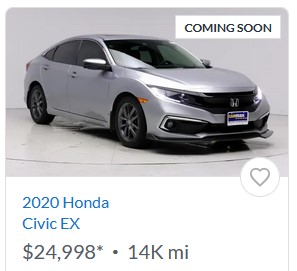
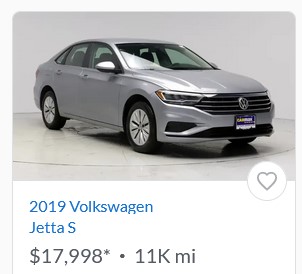
Unfortunately, though, the reason I’ve never owned a Honda is that in my opinion they’re always just a tad too expensive for what you’re getting — whether new or second hand.  Here’s a comparison (CarMax):


…and it should be noted that the Civic doesn’t have a stick shift, but the Jetta does.  Up till now, Honda’s only offered a stick shift in their racier models (Si and Type-R), where the prices — even second hand — are prohibitive.

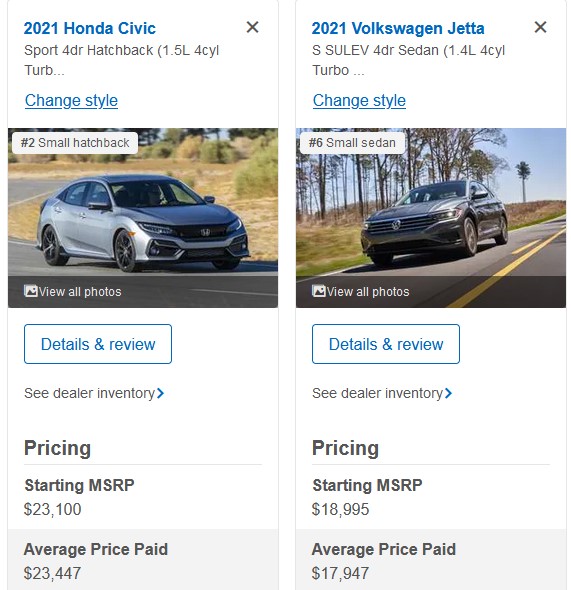
That price disparity, by the way, is the same in new cars (Edmunds):

…and both cars have manual transmission, in this case.

The only thing I have going for me — touch wood — is that I can afford to wait a while, because while second-hand car prices are increasing, that’s not the case with stick shifts.  It seems that few young people can drive them nowadays (Daughter and #2 Son can, Son&Heir could, but prefers not to), so there’s that.  And the Tiguan still rolls along, 115k miles and counting.

As I’ve written before:  I’ve owned three Jettas in my lifetime, and loved each one.  None of them gave me any trouble whatsoever.  The only reason I sold two of them was because we’d just moved to downtown Chicago and didn’t need two cars.  Then I sold the third, a wagon, because we needed a Suburban.

I wish I could say I enjoy this, but I don’t.  Buying cars is only pleasurable if you’re rich, and I’m not.

Still A Favorite

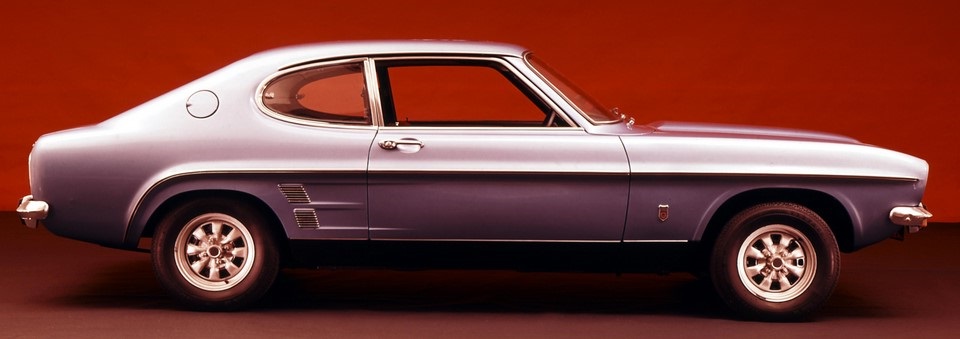
One of my buddies owned a Ford Capri back in the early 1970s, and many’s the weekend night he and I would go out in the Capri looking for booze, women and trouble (some overlap).

This being South Africa, he had the European-styled version (which I preferred over the U.S. Mercury type anyway) with, as I recall, the 2.0-liter V6 German engine.  All I remember was that it was easily a match for any hot Mini-Cooper S, Alfa Romeo 1600 or Fiat 125 S of the era — at least, in Mike’s hands it was, and I remember most vividly the incredible speed with which he raced up and down through the gearbox, using that tiny short-throw stick.

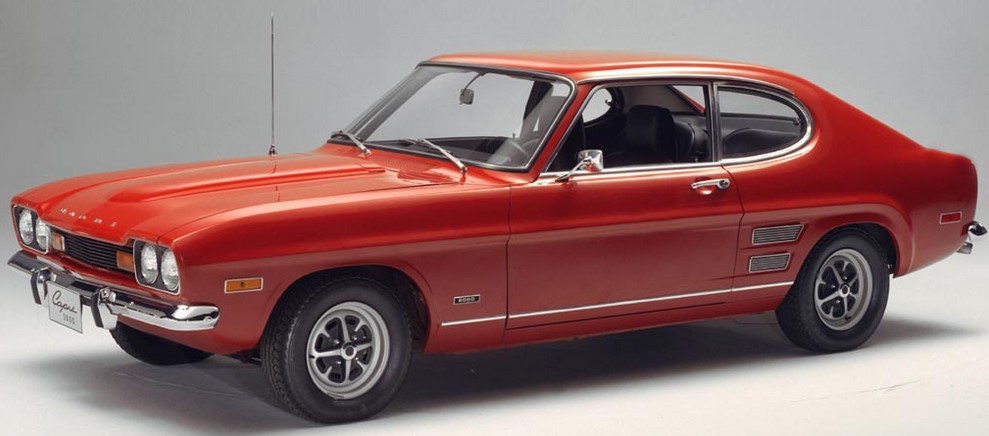
I thought then (and still do) that the Capri’s shape was incredibly sexy — far more so than the earlier Mustang, and hugely more so than the horrible Pinto — and frankly, I think it would hold its own against the anonymous styling of many of today’s wind-tunnel models.  Sure, it’s a little dated, but then so am I.

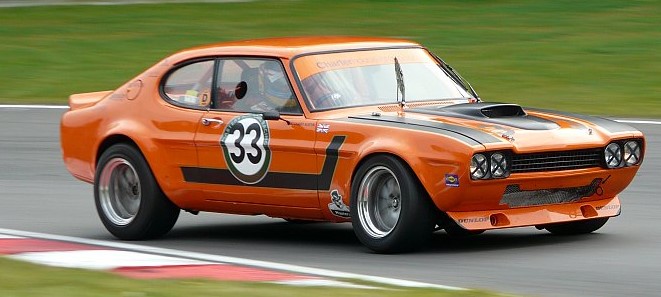
The 2.0-liter V6 was fine for the times back then, but if I could have a new one today, I’d get the racier 3.0-liter GT or GXL, which put out close to 150hp — and considering how light the Capri’s body was, it would be plenty powerful:

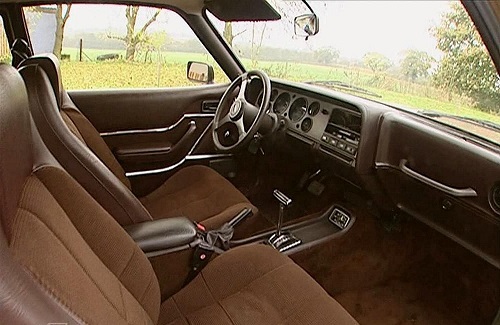
I wouldn’t even mind the 70s-era upholstery color:

Side note:  there was a racing version of the South African Capri (called the “Perana”) which was fitted with a monster 5-liter V8 engine.  It was eventually banned from competition because it had no competition.  Vroom vroom.

A number of Americans dream of owning a muscle car from the 1960s and 70s.  If I had to own such a car (as opposed to, say, an Alfa Romeo Montreal), the Ford Capri would top my list.