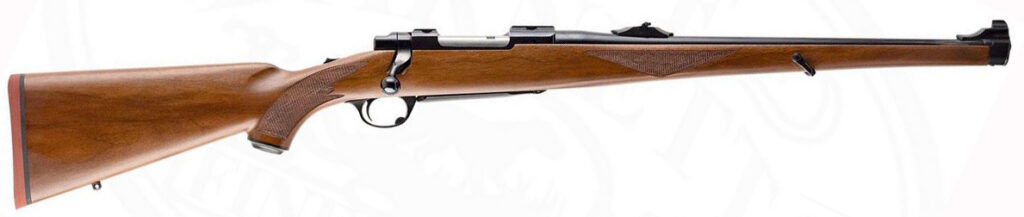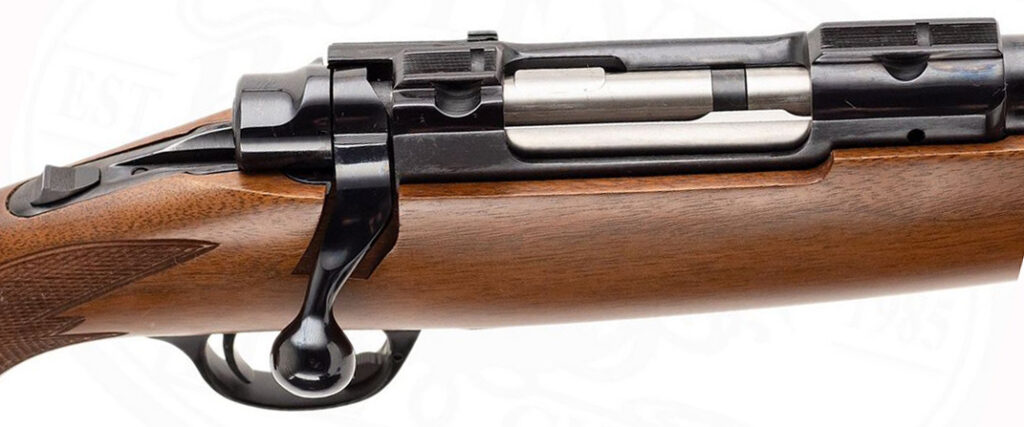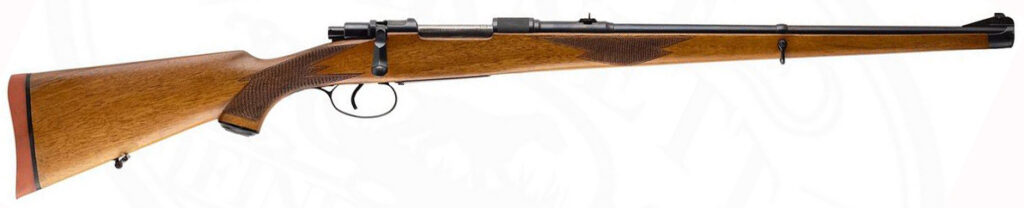
Gratuitous Gun Pic: Mauser 1896 “Target” (6.5x55mm)

Anyone who has known me for longer than 30 seconds will be aware of my fondness for the venerable Mauser Model 96 a.k.a. Swedish Mauser, chambered for the excellent 6.5x55mm cartridge a.k.a. 6.5mm Swede.


(That’s “mine”, nicknamed Princess Inge and stolen from me by the Son&Heir, who shoots 1-MOA groups at 400 yards with the iron sights as fitted.  Unfortunately, he loves it as much or more than I do, so I never get to shoot it anymore.)

Truth be told, I prefer it over the German Gew. 98 and the later K98 Mausers — in fact, I pretty much prefer it over any bolt-action rifle ever made.  Ditto the 6.5mm Swede, which when shot out of that 29″ barrel has a flat trajectory and due to its long bullet, boasts exceptional sectional density, which means it’s going to penetrate just about anything it hits, especially if it’s the steel-core Hirtenberg mil-surp ammo.

Anyway…

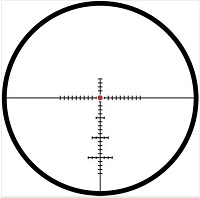
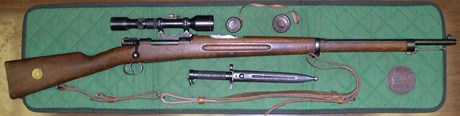
One of the actions the Swedish Army took over the years was to identify which of the rifles showed exceptional accuracy (out of a group which was already very accurate), and turn them into both scope-fitted sniper rifles (M41b) and designated “Target” rifles.  Here’s an example of the sniper version:

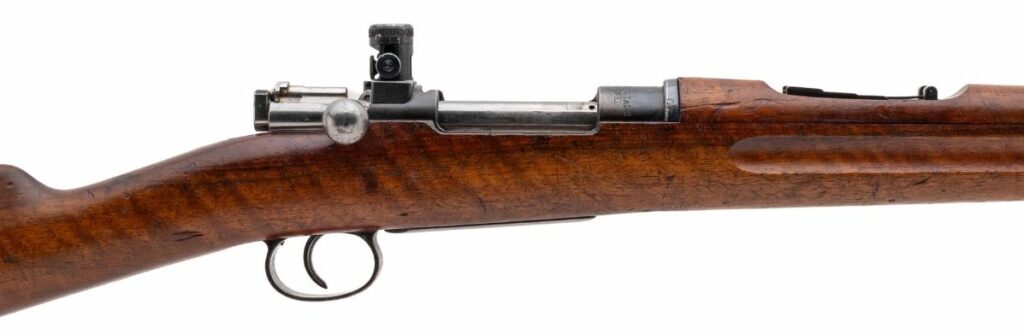
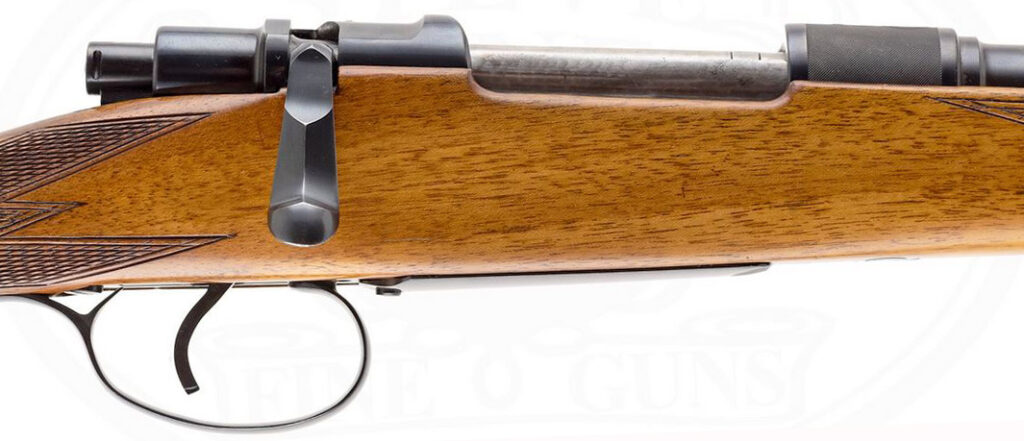
…and from Collectors Firearms, an example of the “Target” version:

The sniper rifle above was purchased for about $1,500 at Collectors (not by me, but by a Reader), but that was back in the early 2000s.  Gawd knows what it would sell for now, because the Target rifle as shown is going for just under $1,300 at the same Merchant Of Death.

Doesn’t matter.  It seems as though all bolt-action rifles of any quality sell for around a grand these days (aaaaargh), but I would suggest that this Target rifle is actually a bargain at that price — because it has proven accuracy and of course, being a Mauser, its reliability is unquestioned.

What a beauty, in every sense of the word.

Want.

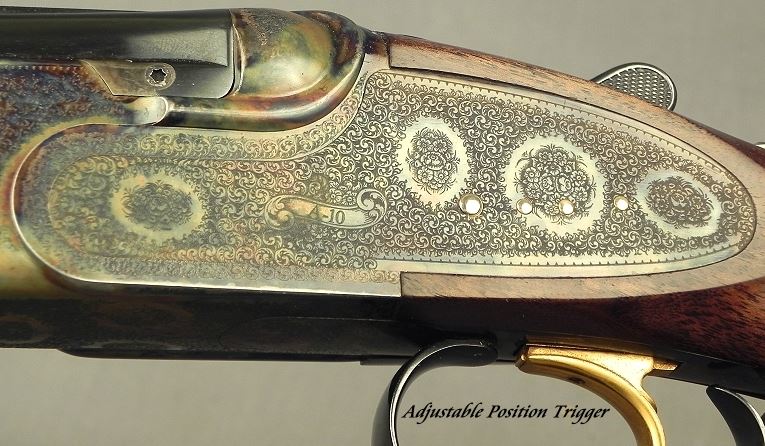
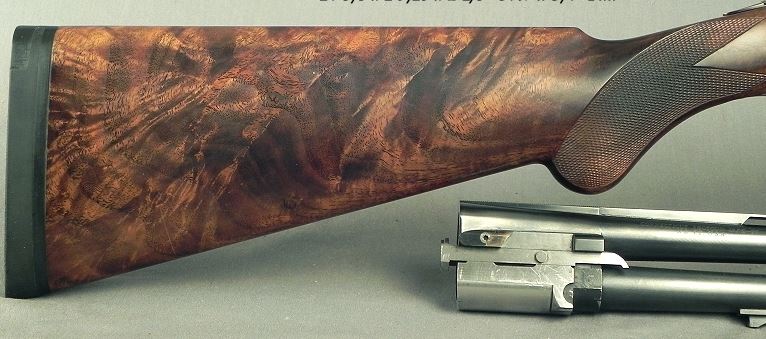
Gratuitous Gun Pic: CSMC A-10 American (20/28ga)

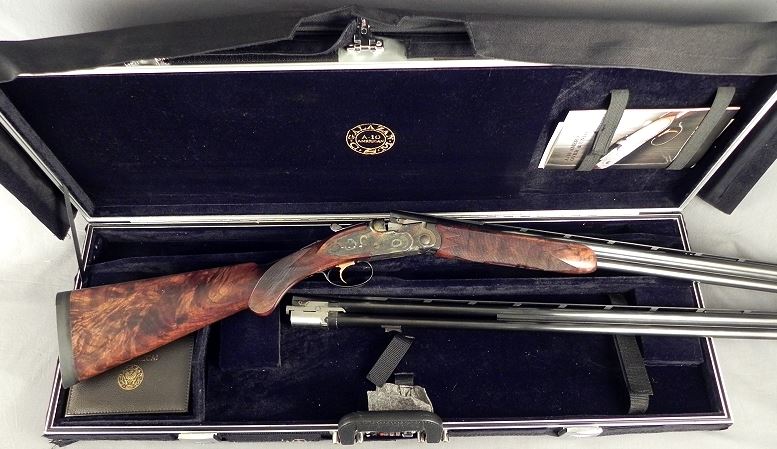
Here’s a pretty one from Champlin Arms:

I’ve had a fresh perspective on Connecticut Shotgun Manufacturing Company ever since I watched Jonny do a tour of the place a while ago.

Despite being located in gun-hating Connecticut, it’s a company I’d love to buy from, especially one their top-end RBL shotguns.

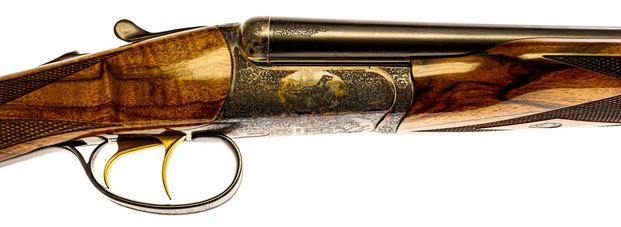
Of course, I’d get a side-by-side and not one of those new-fangled O/U things, but still.

…and of course with a double trigger:

But that’s just me;  others may vary.

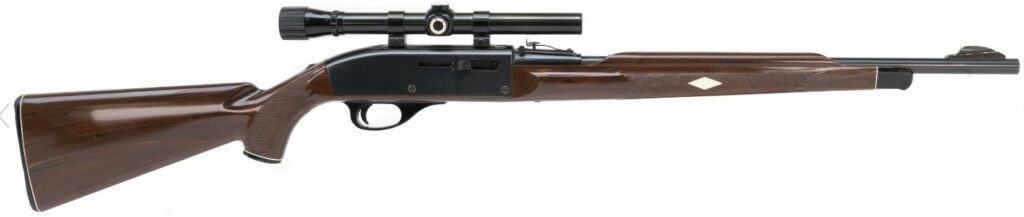
Gratuitous Gun Pic: Remington Nylon 66 (.22 LR)

I stumbled on this fine article SOTI, and I had to share it with everyone because not only is it a good analysis and background story on the wonderful old Nylon 66, but it evokes from me a feeling of deep regret, because I was once offered one for about $20, and I turned it down because to me the little gun looked kinda cheap and nasty.

It was a Black Apache like this one:

No, don’t bother to offer to kick my ass, because said ass already has an excellent set of bruises thereon, self-inflicted.

In my defense, I didn’t know as much about guns back then as I do now, and in fact I’d never even heard of the thing because of my deprived South African childhood.

Anyway, here’s a different model, the brown one:

…and one that was recently on sale at Collector’s (it’s long gone, don’t bother), and for around $650 (!!!!):

Now go and read the article, because it’s full of interesting stuff.

By the way, I rejected the Nylon 66 because it looked flimsy and cheap, whereas it’s anything but.

Don’t trust me with any investment advice;  I suck.

Gratuitous Gun Pic: Brno Mod 22F (8x57mm)

Long Time Readers will know of my fondness for full-stocked rifles like the SMLE.  Try this beauty on for size, at Steve Barnett’s Very Very Bad Place:

Okay, it looks beautiful, and the chambering is of course excellent — the 8mm Mauser cartridge is adequate for almost any purpose, like its Murkin .30-06 counterpart — but I have a couple of reservations about the Mannlicher flat or “butter-knife” bolt handle.

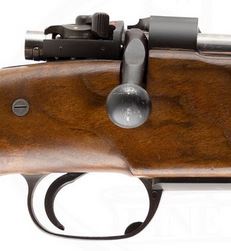
You see, it’s lovely to look at and of course it works very well;  but after more than half a dozen shots, that sharp edge starts to hurt your hand.  Granted, in the hunting activity, you seldom have to shoot more than a couple of times in a row — unless things are going very, very wrong — but I must say I prefer a regular rounded bolt handle like this one to the butterknife above:

But would I shy away from the Brno (later named CZ) if offered?  Hell, no.

And this little short-barreled carbine would be extremely handy in the field.

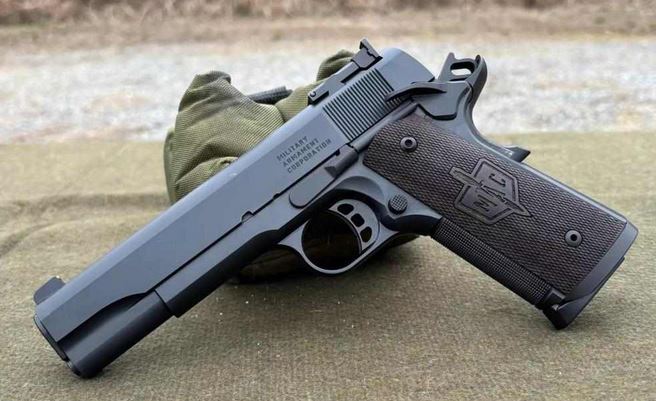
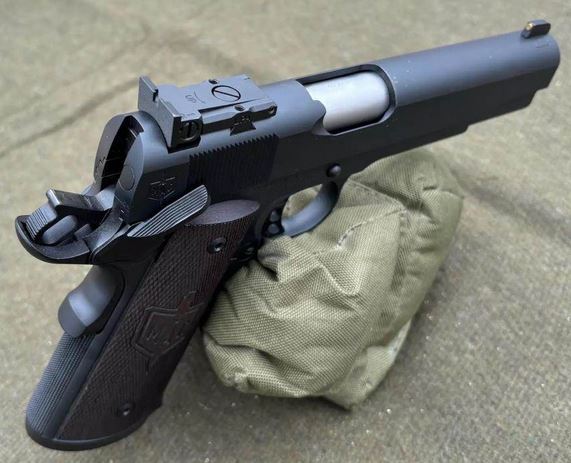
Gratuitous Gun Pic: MAC 1911 JSOC (.45 ACP)

Evil Reader John C. sent me a link to the 1,000-round test of this lovely budget 1911:

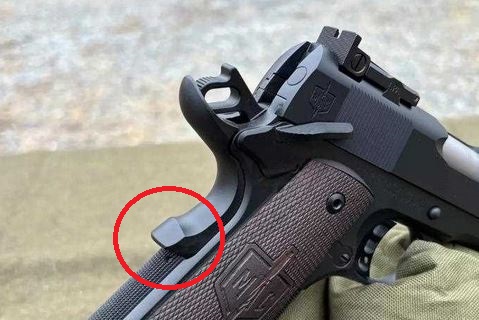
Okay, it’s a 1911 so I’m going to like it, and it comes with all sorts of standard stuff like a titanium trigger, ambi-safety, adjustable rear sight and (yes!) a brass bead front sight.  My only quibble is this unnecessary protuberance on the grip safety…
…but I’ve griped about it often enough so I won’t repeat it here.

Most of all, I like the price point (around $750 street) which, considering the effects of Bidenflation (don’t get me started) is quite acceptable.

And the tester likes it fine, but they always do, don’t they?  Certainly, though, the MAC came through the 1,000-round test without any major issues, which is more than you can say about a lot of the budget guns on the market nowadays.

And it looks like a proper 1911, none of that front-of-slide serration nonsense that all the cool kids seem to demand.

Gratuitous Gun Pic: Pre-64 Winchester Mod 70 (.300 H&H Mag)

I’m often asked, when at a meeting of the local Beer ‘N Treason chapter while we watch a luckless hippie turning gently on a spit:  “Kim, what’s it all about with this ‘Pre-64 Winchester rifle’ thing?  What’s so special about 1964, and why are these rifles so popular?”

At the risk of boring my Readers (who doubtless know all about this stuff), let me explain.

After 1964, the Winchester Repeating Arms Company changed their manufacturing methodology for their bolt-action rifles.  [insert anti-beancounter tirade here]  In the words of Scott Weber:

“Winchester went to stamped checkering on the gun stocks instead of hand checkering. Plastic replaced metal in some components, and a lesser grade of bluing was used on the rifle’s actions and barrels.  None of that changed the basic function and accuracy of the Model 70s, but the downgrades in craftsmanship angered many customers, and Model 70s made after 1964 don’t carry the same value as pre-’64s.”

As I recall, the actions were likewise changed, from forged- to cast steel.  While there is no appreciable change in efficacy, when working the bolt action there is a distinct change in the action’s sound from the pre-64 rifles to their post-64 successors.  The change in sound is likewise noticeable in other rifle generation changes, e.g. the Swiss K11 to the K31:  the cast steel makes a clacking sound, while the forged action rings. (No prizes for guessing which one I prefer.)

Anyway, what brought all this on was this rifle, newly-arrived at Merchant Of Death Steve Barnett:

Now let’s talk a little about the chambering of the above beauty.  The .300 H&H Magnum is often compared to the older (and much more common, certainly in the Mod 70) .30-06 Springfield, but the H&H is actually more powerful.  Frank Barnes gives the following data, using a common 190gr. bullet:

Muzzle velocity (fps)
.30-06 : 2,700
.300 H&H : 3,000

Muzzle energy (ft-lbs)
.30-06 : 3,076
.300 H&H : 3,798

I’ve used the .300 H&H myself back in the day, and its effect on thin-skinned game like warthog and impala is, to put it mildly, impressive.

Where the .30-06 excels, of course, is in the old “Bubba’s Bait & Tackle” test (especially in the U.S.).  If you forgot your ammo at home, any ammo store will have .30-06 on the shelf, probably with a choice of manufacturer.  (Actually, I think it’s against the law in some states not to carry any.) The .300 H&H?  Not so much — in fact, unless there’s a large chain store like Cabela’s in the offing, you can pretty much forget about finding it anywhere.

And the price difference reflects that availability:  .30-06 runs about $1.50 per round, whereas the .300 H&H will set you back $5 (!!!).

Not that this is too important, in hunting terms, because you’re not going to blast off hundreds of rounds, either way.

But if your other rifle is an old M1 Garand…


Note:  this post was supposed to appear yesterday, but Mr. Fumblefingers cocked up the date.  Mea maxima culo.