Electric U-Turn

Someone else sees the light:

Audi has become the latest auto manufacturer to perform a dramatic U-turn on its electric vehicle commitments, writing off its promised to stop developing internal combustion engines (ICE) in 2033.

Instead, the Bavarian-based marque will continue to make both ICE cars and plug-in hybrids into the next decade, as part of a ‘completely new’ fuel-powered line-up.

CEO Gernot Döllner confirmed the brand’s revised plans, explaining that ‘flexibility’ is the new direction Audi will take so it can see how ‘markets develop’.

The German car giant had originally planned to build its last ICE-only car next year with the new-generation Q7. However, it suggested earlier this year that petrol and diesel models could run for longer.

Stupid assholes thought they could buy credibility with the wokerati Greens by putting a deadline on the eeeevil fuel-powered engines, despite all the writing on the wall indicating that EVs are not popular in the mass market, that there are serious concerns about the “green-ness” of the EV when the total energy cost of their manufacture is taken into account and not just their eco-friendliness on the road.

And speaking of “on the road”, there’s always this little EV problem:


…and the fact that the EV fires are almost inextinguishable (and can re-ignite even after they are extinguished), and give off toxic smoke.

Yeah… I can’t imagine why a company might want to rethink their position, either.

The fact of the matter is that the auto companies should never have drawn that line in the sand in the first place.

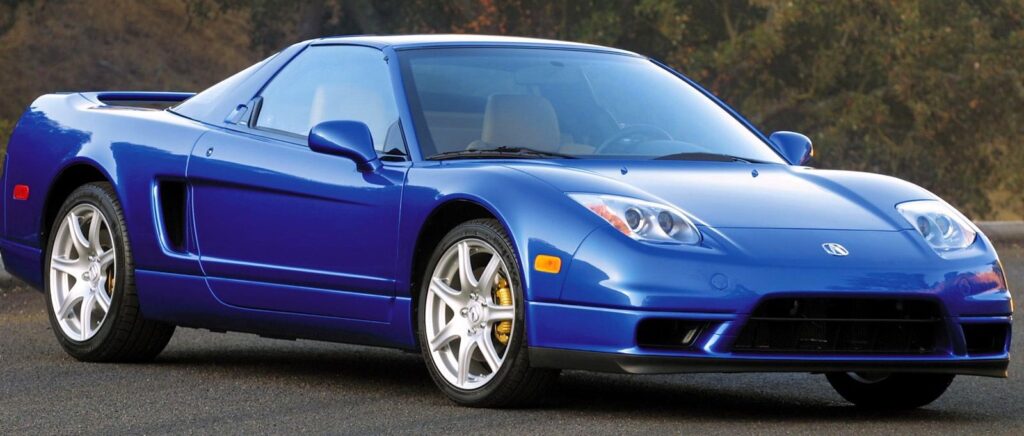
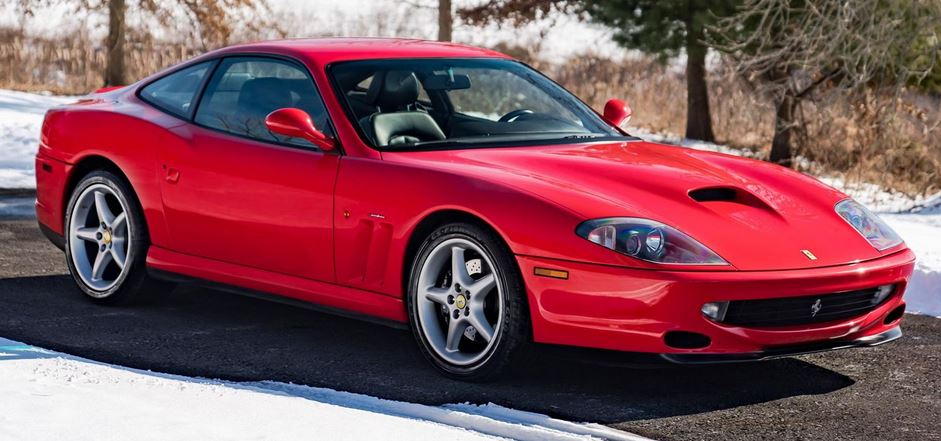
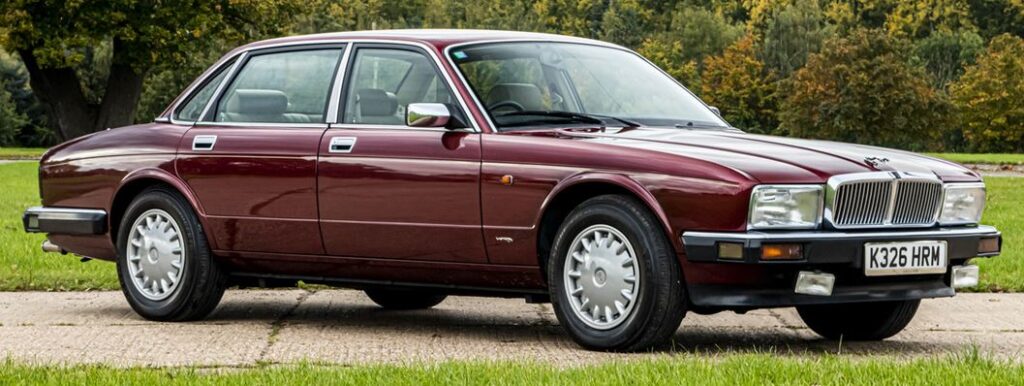
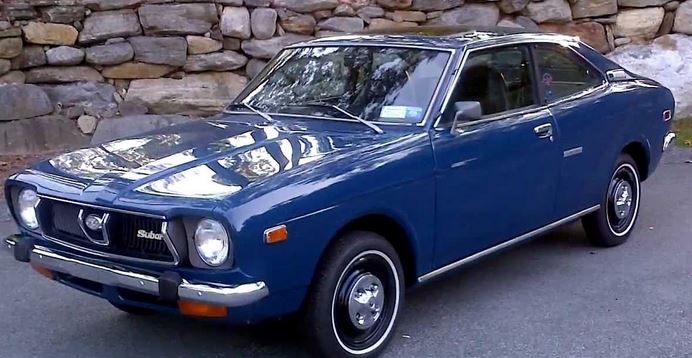
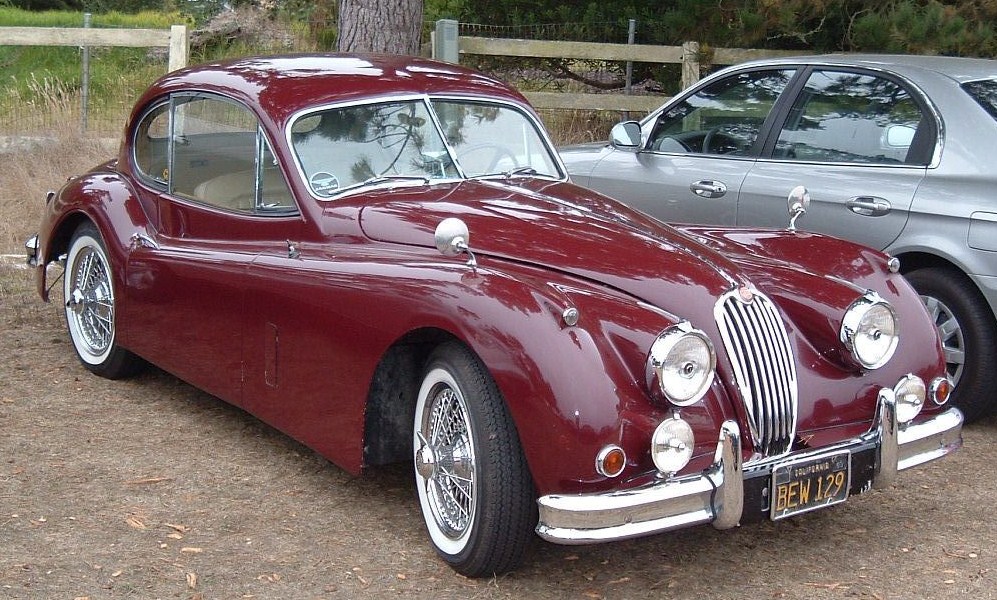
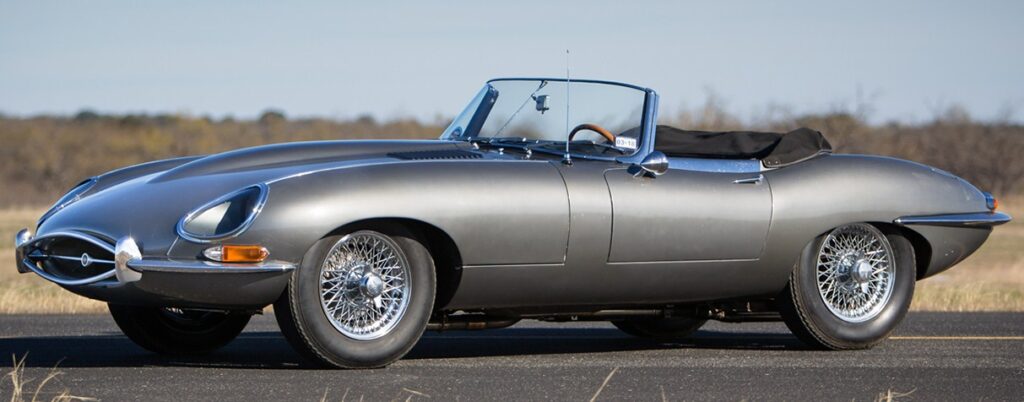
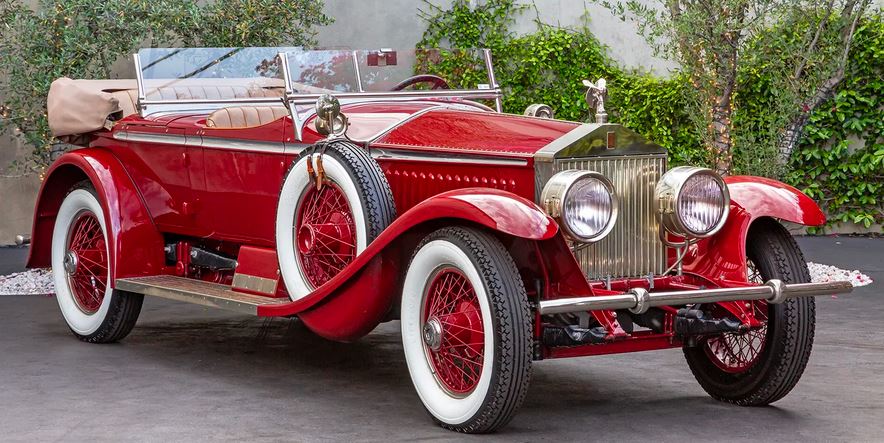
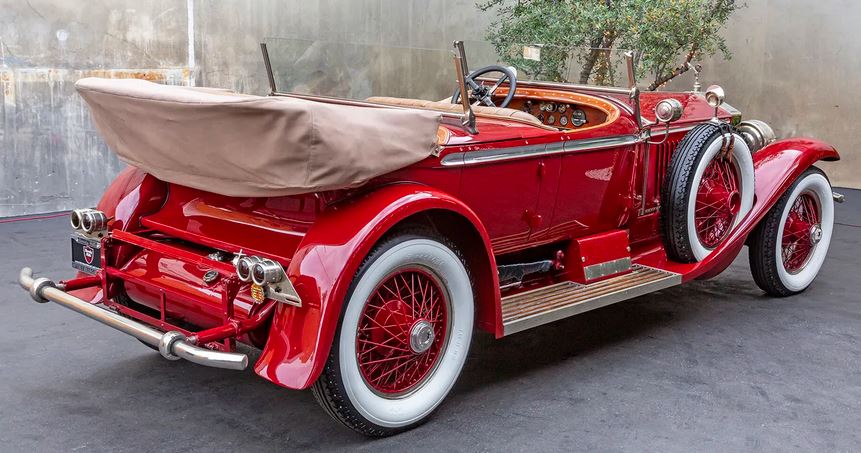
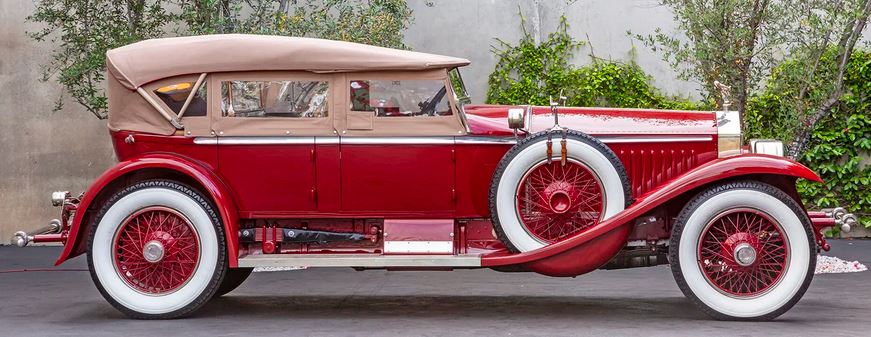
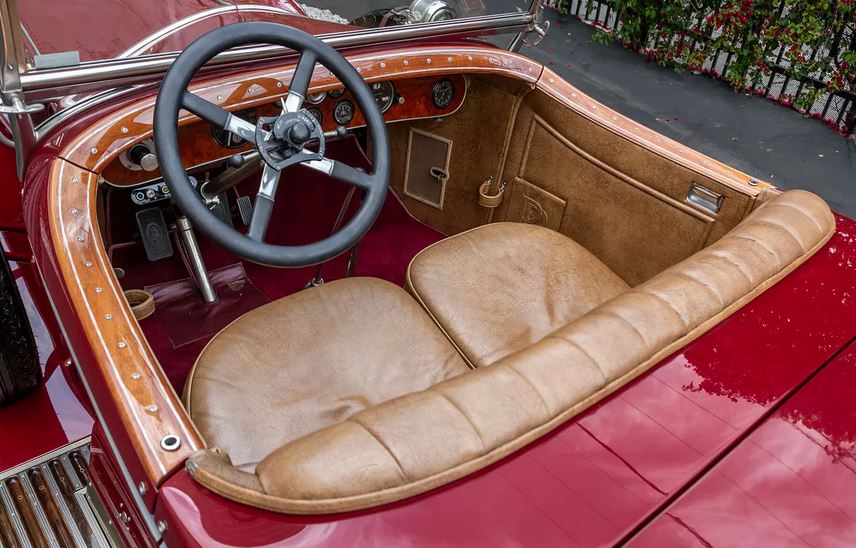
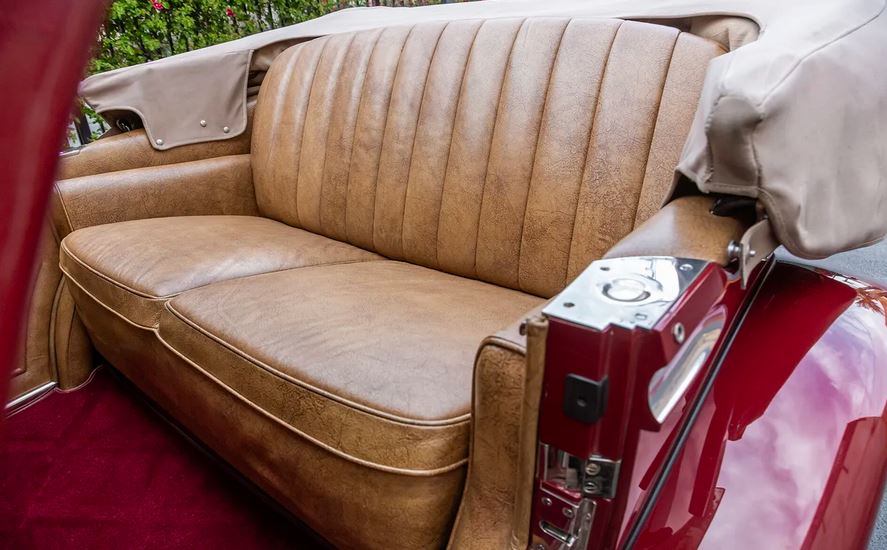
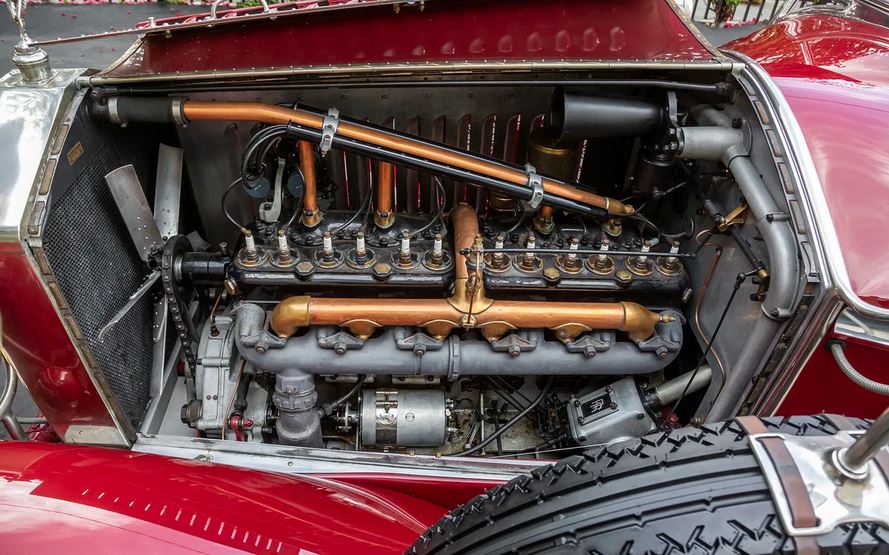
In the meantime, here are a few pics to make us all feel better about this.

There;  I told you it would make you feel better.

Caveat

Here’s a little nugget from the Trump Tariff Front:

General Motors (GM) announced plans to invest $4 billion in three new U.S. assembly plants, including the production lines for the Chevrolet Blazer and Chevrolet Equinox, which the company currently builds in Mexico.

Yay and all that.  Another reaction:

The United Auto Workers (UAW) praised GM’s decision, calling it a validation of the effectiveness of global auto tariffs.

Yeah, fine, whatever.  Let’s just hope that you union assholes don’t jump on this opportunity to make unreasonable wage demands, which is what drove GM to move the plants to Mexico in the first place.

I’m not at all confident that this won’t happen, but as I am not and never will be a target customer of General Motors*, I personally will not be affected, especially as the newly-replanted assembly plants will be building Chevrolet Equinox, Chevrolet Bolt EV, Chevrolet Blazer, Cadillac Lyriq and Vistiq EVs and the Cadillac XT5.  (Lyriq? Vistiq?  WTF kind of names are those?)

I see that GM, with its customary foresight, has slated its EV models for some of the new plants, despite customer demand for said excrescences falling through the floor.

Pathetic.


The only GM car I’d ever consider buying is the Caddy CT4 Blackwing, except that while its engine is admittedly excellent, the CT4 looks like a primitive 1978-era CAD drawing:

In earlier times, we would have described that thing as “uglier than a bucketful of burst assholes”.

As for all GM’s other models:  pass, with extreme prejudice.

Proper Fake

Last week I slammed the idiots who are seduced by marketing into paying exorbitant sums of money for ordinary products like vodka (Grey Goose) and guns (Heckler Und Koch).

Then yesterday I bitched about modern cars and their electronic gizmos that cost too much (in every sense of the word) and which at some point are going to be taken away from you;  and added that I’d really prefer to drive an older car without all that nonsense.

I thought that it might be kinda fun to combine those two concepts into a single buying experience.  Here’s how I figured it out.

First, we have a car company whose products command premium prices (i.e. you pay through the nose) for their old cars, but whose cars of that era were frankly just not very good, performance-wise.

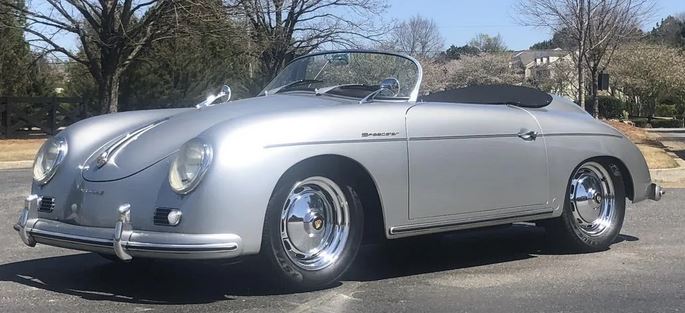
Step forward the 1950s-era Porsche 356, and here’s a good example thereof:

Now let’s be honest, here.  The old 356 may have been very reliable (compared to its competitors) for that time, but if you’ve ever driven an original, you would have been horribly disappointed (as I most certainly was).  The engine is seriously underpowered, it doesn’t handle or brake that well on those skinny tires and drum brakes, although it does give tremendous driving fun because you always feel connected to the road.  But it’s the engine sound which really disappoints.  It sounds pretty much like a VW Beetle engine of the same vintage:  a kind of whiny clatter.  My take:  the original 356 isn’t worth as much as they’re being charged for.  Frankly, the premium prices are a function of restoration “to original” state.  Once you get past the Concours Set, the prices become more “reasonable” because restorers install modern switchgear, better wiring materials and nicer exhaust systems, for instance:

My thing about the 356 is that I just like its looks.  It’s quirky, a little ugly (“a lot ugly” — New Wife) but above all it has character.  Nothing else is quite like it.

But if you strip away all the Porsche stuff and just go with what it looks like, you get one of these:

Looks like a 356 museum, dunnit?  But all those 356s are replicas (gasp!):  fiberglass bodies attached to a shortened ’71 VW Beetle chassis, powered by a 2.3-liter VW engine, which pushes out 125 hp (compared to the original 356’s 90-odd hp).  Plenty power for that little body, and they come with a proper exhaust system which makes them sound more modern Porsche than old Beetle.  Modern tires, too.

Price?  Between $60,000 and $72,000.

Still too much?  I don’t think so, because this isn’t one of those DIY garage fiberglass kit cars.  If you order one from this particular manufacturer, you could wait up to two years for your order to get fulfilled.  Me, I’d just get one of the existing stock ones, as in the pic.

But hey, not everyone likes the 356.  However, everybody loves the Ferrari 250 Spyder, right?

Whoa.

Trouble is that these puppies sell for well over a million — or more — and now you’re in a lot more silliness than a $30 bottle of vodka.

Except that the model above sells for $105,000.  How so?  Well, it’s not a “pure Ferrari”.  Like the Vintage Motors replica of the Porsche 356 above, this is a fiberglass bodied Ferrari lookalike with a… 6.9-liter Ford V8 under the hood.  (Take that, Ferrari!)

Okay:  is this going to handle anything like a Ferrari (any Ferrari)?  Most definitely not.  Does it matter?  No.

Because you’re not going to track this car (unless you’re an idiot), you’re going to drive around in a little beauty, at 10% of the cost of the original, with an AC Cobra-like thunder coming out of the exhaust.

It’s all very well being a badge “purist”.  The problem is that the owners of the badges have made their products so expensive that the cars are all being bought by essentially the same 100 people, leaving the rest of us plebs out of the picture.

The thing is that to those 100 guys, the “proper” badges are either purchased for bragging rights (i.e. dick comps) or as investments, no different from a condo in Monaco or a 25-carat diamond (don’t get me started on De Beers or we’ll be here all day).

Just in passing, I wonder how many miles Bill Gates has put on his Porsche 959?  (And if that story doesn’t make you grit your teeth in frustrated fury — for so many reasons — we can’t be friends.)

But there are guys who love the cars not for their “collector value” or any of that bollocks, but for their exquisite beauty and perhaps to a lesser degree, for their performance.  Guys like me.

And I have to tell you that if I won the lottery and some guy had put together a proper fiberglass Dino 246 shell on, say, a Porsche Boxster-type frame and engine…


…hold me back.

So I guess my question for y’all would be:  what quality (but inexpensive) replica would float your boat if you saw one?

Connectivity Assholes

Normally I reserve the above epithet for people who have their phones surgically attached to their hands, or bosses who insist that employees Stay.In.Touch.At.All.Times., yeah even unto night time, weekends, and vacations.  (Just because you’re attending your sister’s wedding or mother’s funeral — requiring use of paid time off [PTO] instead of compassionate leave, FFS — doesn’t mean that your boss shouldn’t be able to demand your time to attend to That Pressing Corporate Need.)

No, the connectivity assholes I refer to here are “services” like GM’s OnStar, Hyundai’s Blue Link, NissanConnect, AcuraLink and Toyota Connect.  Via Insty, I see the following is happening (from the annals of Corporate Automotive Bastardy):

Connected services is a catch-all term for everything your car can send and receive over the internet. It includes features such as automatic 911 call-outs after an accident, roadside assistance after a breakdown, over-the-air (OTA) software updates, vehicle health reports which can be sent to your dealer, wi-fi hot spots in the vehicle, and phone apps that allow you to connect to and even control some of your car’s functions.

They’re also big business. Most connected services require a paid subscription once the free trail (usually three months to a year) runs out. As more and more of them are added to your dashboard, automakers hope to make billions of dollars annually just on subscriptions. That doesn’t mean older vehicles will be supported forever, though.

Anyone who’s ever touched a device with a computer chip in it knows that device will eventually be obsolete. Cellphones, even if they still work fine, will eventually stop receiving software updates. Right or wrong, this is the way of the world. The average American, though, keeps their car for much longer than they keep their phone, and the average age of a vehicle in America is nearly 13 years old. Meaning, a lot of people could potentially be affected if other automakers follow Acura’s lead in cutting off cars newer than the average. And that’s not to mention those who own used examples of older models.

While it’s arguably bad customer service, there’s no law or contractual obligation requiring automakers like Acura to continue supporting older models with outdated hardware and software. In fact, it’s quite the opposite.

Yeah, click HERE to accept the (300 pages of) Terms & Conditions Of Service.  (Wait;  you all do read those before clicking, right?)

Somebody tell me how many times I’ve ranted on these pages about people handing over their privacy and freedom of action in the name of “conveeeeenience”, because I can’t be bothered to look it up.

This is why, in all my lottery dreams, I am convinced that I would never buy a modern car, but would pay a premium (in service / maintenance costs etc.) just to own a car that is completely and utterly under my personal control.  I have actually come to the point where I would buy any car — in reasonable working condition — that has an ordinary key to start it, whose operating system contains not a single chip and does not send my usage data to just anyone who wants to see it, for whatever reason — which includes insurance companies, the police, the State, the advertising industry and all the other forms of bureaucratic bastardy that have infested our personal lives like some creeping fucking cancer.

A pox on all of them.

My American Car Experience Part 3: The Greenhouse

In planning for  The Great Wetback Episode Of ’86  my emigration to the U.S., I’d made prior arrangements with a rental car company to reserve and pre-pay a 3-month rental, so that I wouldn’t be stuck without wheels on my arrival.  I went with a prepay so that I could pay in rands and not in dollars because #CurrencyConversionRape, and would only have to pay the sales tax when I turned it in.  (In those days one could do such a thing because the rental companies loved getting paid in advance, especially — as was the case here — when made using a corporate club card e.g. Hertz #1 Club or Avis Preferred, National Gold etc.  I don’t think you can do this anymore.)

So I arrived at the airport in Austin, and made my way to the rental counter clutching my prepaid contract with some confidence because the club card showed that I was an employee of one of the company’s largest clients worldwide.  The rental counter lady looked at the contract and gave a little frown, causing my heart to sink, but it turned out I needn’t have worried.

“We don’t have any of that group’s cars left, but we can give you another, so if you don’t mind [smile], we’ll just upgrade you, and as you’ve prepaid, there’s no extra charge.”
“Okay.  What car will you give me?”
“I’m afraid the only one left is a Chev Camaro,” she said, and looked at me anxiously.  “Will that do?”

Then she gave a puzzled look at the sight of a customer sinking to his knees while uttering an apparent prayer of thanks.

It looked like this, a Camaro Sport Coupe, only in black:

In retrospect, when I sank to my knees I should have been asking “Why me, Lord?”, because this was the beginning of a three-month ordeal.

As I tootled around Austin with Trevor — who had himself emigrated some eight months earlier — a couple of things became apparent.

a) A Texas summer should not be coupled with a black car, of any size or description, and b) the enormous rear window actually had a greenhouse effect on the car’s interior.

In other words, Gentle Readers, driving this thing around Austin was akin to driving around in an oven set to Broil.

Worse yet, the Camaro had an anemic V6 engine, so like my earlier experience with the Silver Bullet, it had no poke whatsoever.  Trying to coax any kind of speed out of the thing simply meant that the need for a gas refill would appear sooner rather than later.

Of the handling, we will not speak.  Okay, do let’s talk about it because it didn’t have any.  It slewed around corners at any speed, the steering was vague and imprecise, and because the car was wider than a blue whale, maneuvering through traffic was a nail-biting experience for one not accustomed to driving such a beast.  I don’t know how Trevor felt about it, but all I can recall is several instances of sharply-indrawn breath and muttered “Fucking hell, that was close.”

How I survived the three months without a fender-bender or a scratch on the car is a testament to both luck and the ability of other drivers to avoid this sweating maniac’s clumsy driving.

And have I mentioned how hot I was, that summer in Austin?  I soon found that the only way to get into the car without fainting from the heat was to open the front door, start the engine, then get out quickly, close the door and scurry back to our apartment for about fifteen minutes to allow the Camaro’s A/C (which was excellent, I will admit) to bring the interior temperature down to, say, 98 degrees.  Some might say that I should have just lowered the windows to allow the breeze to cool the thing down, to which I should remind everyone that it was June/July/August in Austin, Texas.  (I remember driving back from a trip to San Antonio, and passing one of those signs outside a bank which showed the temperature to be 95, at 2am.  So don’t talk to me about daytime temperatures and lowered windows.)

Amazingly, when I was ferrying any of the local girls out to dinner or lunch (it happened a few times), they didn’t seem to be bothered by the heat.  Clearly, they were acclimatized and I wasn’t — despite having just come from Africa.

Anyway, the time came for me to hand the thing back to the rental company, and while I was left without transport for a few weeks (#VisaDelay) it wasn’t as big a problem as I’d thought it would be because as it happened, I was shacking up with one of those local girls and she had no problem with lending me her car on the few occasions when I needed one while she was at work.

Then my visa was approved and I left Austin to take up my job at the Great Big Research Company — just in time for my first encounter with a Chicago Winter.

But that’s another story.

My American Car Experience – Part 2: The Silver Bullet

I’ve talked about my first experience of driving an American car, and this was the second.

A quick background to the story:  I first met Longtime and Very Dear Friend Trevor when we worked together at a small ad agency in Johannesburg.  He had just returned from a trip to the U.S., as had I, and so over the following months we swapped stories together and in the process, built a friendly relationship.  Sadly, my other relationship (with Wife#1) had foundered on the rocks of divorce, made somewhat more difficult by virtue of the fact that she worked at the same Small Ad Agency, but I left the company soon enough, so that wasn’t too bad.

Some months later I went to an art gallery opening in Johannesburg, and by chance Trevor was there.  I had planned a solo trip to the U.S. as a sort of post-divorce present for myself — just a month this time — and I started crowing over said trip to him.  Whereupon he confided that he too had planned a solo trip Over There, and when we compared notes, found that the dates overlapped quite a bit.  I couldn’t change my dates because I’d squeezed in the time between conferences and client meetings;  but Trevor had no such problems in that regard, and so the two solo trips became a double-header, so to speak.

I had made no plans at all for my solo trip, intending to wing it completely upon arrival at JFK, but Trevor had made plans to stay with a friend in Newport RI, and as I’d met her when she’d visited Johannesburg a little earlier and we knew each other, it was no problem for her to put us both up on the giant couches she had in her capacious living room.  Getting to Newport was another story.  I didn’t feel like renting a car just yet (particularly out of JFK #LongIslandTraffic), so our trip to Newport was as follows:  shuttle bus to Manhattan, cab to Grand Central Station, train to Providence, Trailways bus to Newport, where Maryann would pick us up in her totally-inadequate and tiny Fiat 124 convertible.  (As Trevor later put it:  “We missed traveling by hovercraft, but that’s about all we missed.”)

Anyway, we took care of jet lag in Newport for one of the most delightful weeks of my life:  eggs-n-bakey at Crazy Gigi’s for breakfast, clam chowdah at Christie’s Dock for lunch, lobstah at the Canfield House Restaurant for dinner, parties at the Boom-Boom Room [sic], flirting with lonely divorcees, and all washed down with huge quantities of bee-ah.  July in Newport is not an experienced to be missed.

Anyway, the time came for Trevor and I to begin what was to be the first of many, many trips around the U.S.  Here’s the itinerary:  Newport – Concord NH – New Orleans – Austin and back up to New England.

The map routes do not do justice to the trip we actually made, because we tried to avoid all interstate highways wherever possible (e.g. to get around major cities, which neither of us was interested in doing), using roads like the Blue Ridge Parkway and so on.  (The only major city we actually ventured into was Washington D.C., but our adventure there is a whole ‘nother story involving Congressmen, their various staff members and their family members, and I’m not sure the statute of limitations has expired for the telling of that episode).

Anyway, the car.

This time, because the rental was being picked up by my employer back in Johannesburg on the company’s account (another story), I’d reserved a mid-size car because why not? and when we picked it up at the Avis office in Newport, we discovered it to be the largest car either of us had ever driven in, an Oldsmobile Cutlass Supreme Coupe*:


…which featured a 3.8-liter V6 (not the later 5-liter V8, alas), but which, compared to the anemic 2.2-liter Chrysler Reliant engine, I thought would give us the proper punch for a very long trip.

How wrong I was.  This was my first experience of driving a car which, when one floored the throttle at 50mph to overtake, caused the rev counter to climb but the speedometer needle to stay in exactly the same place.  (It did not help that my “home” car had been a BMW 3-series two-door, which was quick, nimble and fast.)

Compared to the little Beemer (okay, compared to every car I’d ever driven), the Olds handled like a frigging supertanker, with a turning circle to match.  I swear, I could make a full quarter-turn of the steering wheel before the car actually changed direction, and then it would do so only marginally.  Parallel parking was a complete bloody nightmare, and after a day or so of this silliness I made sure that I only parked in drive-in spaces.

In short, the car was a major disappointment — sarcastically, we christened it “The Silver Bullet” because it was anything but — and it colored my opinion of American cars until… well, I still feel the same way about them.

Anyway, we survived the trip.  The Bullet made up for its performance shortcomings in other ways:  the plush velour seats and comfortable drive seemed to impress the several ladies we had occasion to drive around in our travel stops, and amazingly for such an inefficient car, the gas mileage wasn’t too bad as long as I didn’t go much over 50mph — which, given the back roads we mostly drove along, wasn’t too difficult.  And even more so than on my previous trip, we were in absolutely no hurry to get anywhere, so we lollygagged all over the place, stopped in small towns and villages along the way, met some strange but interesting people;  and in short, we both fell in love with America all over again and pledged to each other that we would soon come back for good.

So there’s that.

In Part 3, I’ll talk about my next disappointment.


*the Bullet’s license plate was “VD 237”, which prompted the acidic comment from Maryann:  “VD?  They must have known you two guys were coming.”  She also warned us about New Orleans being the pox capital of the United States, whereupon one of us (probably me) replied, “Yeah?  Well after we’re done there, it’s going to be the pox capital of the world.”  (Sadly, ’twas not to be and we left The Big Easy unscathed.  Austin, however, would be another matter.)