Several people have sent me accounts (like this one) of the latest BLM “protest” which happened in Plano (!!!) last week.
Several thoughts come to mind, especially as I’ve had some dealings with the Plano PD over the past couple weeks, as every fule kno, and I came away very impressed with their attitude.
What I also learned, in chatting with our local guy while CIS was dusting for prints etc. was that the attitude of people all over (not just in Plano, but all over north Texas) has been changing for the worse, in that people getting involved with the police are being a lot more aggressive — and not just with the police, either.
Back in June last year, there was a traffic accident at a corner not three hundred yards from my old house. I know the corner well (Legacy and Independence), and as it happened, when the accident occurred there was a Plano uniformed cop filling up at the gas station on that very corner. So the cop walked over — no need to drive, it’s twenty yards away — only to see that the female driver of the one car was leaning into the other driver’s window, and punching her out. So he grabbed her to restrain her, whereupon he made the unfortunate discovery that she wasn’t punching the other woman, but stabbing her. And when he tried to restrain this bitch, she stabbed him four times. Luckily, three of the blows were deflected by his vest, but the fourth got him a good one in the upper left arm, and he started to bleed like a stuck pig.
The situation did not end there.
The stabbist then ran around the front of the car and wrenched the passenger-side door open, so as to continue with the stabbing.
Fortunately, the officer was not massively incapacitated from his stab wound — apparently, he would faint a little later from blood loss while waiting for the paramedics — but he was still able to pull his gun and shoot the bitch four times, whereupon she lost all interest in the proceedings, assumed the proper position on the ground, and very shortly thereafter achieved room temperature.
[pause to let the cheering and hollering die down]
Just in passing, both the cop and the stabbee survived the fun and games. He was a twenty-five-year veteran of the Plano PD and was something like six months from retirement. (Here’s the official report of the incident. There’s a telling detail that I didn’t mention; see if you can spot it.)
The cop who told me this story said that this change in attitude began during the Obama administration, and had only got worse and worse since. (I note too that the Plano PD Chief has been spotted marching in an earlier BLM protest, and that is an issue to be addressed on another day.)
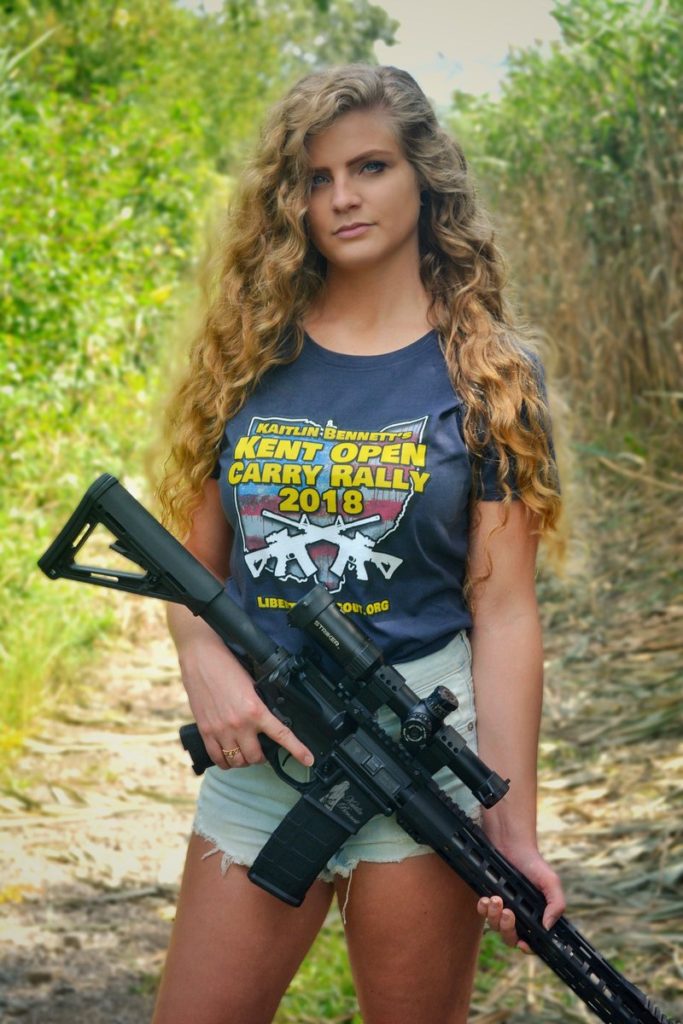
After Election Day 2020 I took the AK out of the car, figuring that now that the nation’s scum had got their wish and had Communists, wokists and BLM supporters in positions of power, they’d simmer down. Clearly, this is not the case.
So tomorrow I’ll be off to Doc Russia’s to pick up the AK and return it to its proper position in the car. I should have done it after dinner with him last week, but that was a couple days before the BLM incident on Plano’s east side, and who knew? But times change, and I guess we have to change with them.
Let me say right now that I will not start anything should I personally encounter a situation like last Friday’s. I won’t even get out of my car. Unless things get really out of control — the video of the event shows that at least one BLM supporter had a handgun out and pointed at the “counter-protester” — in which case things might get a little more interesting. I certainly don’t take kindly to people pointing guns at me, no matter how much they believe they are “justified” in so doing; and any attempt to bring violence on me will meet with some resistance.
And that’s a promise.
Good grief. If shit like this can happen in Plano, it can happen anywhere in the United States. Be on your guard and stay safe. Or at least get a good group.