Boldini’s Portraits

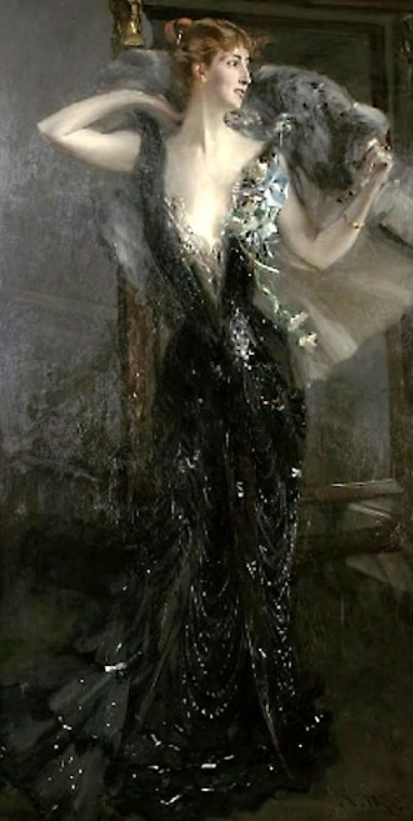
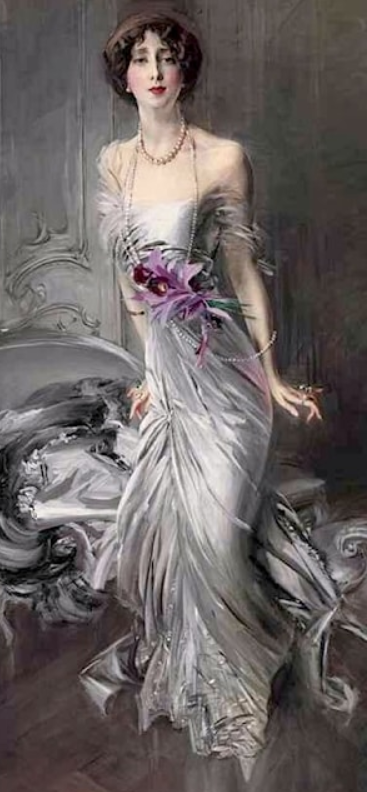
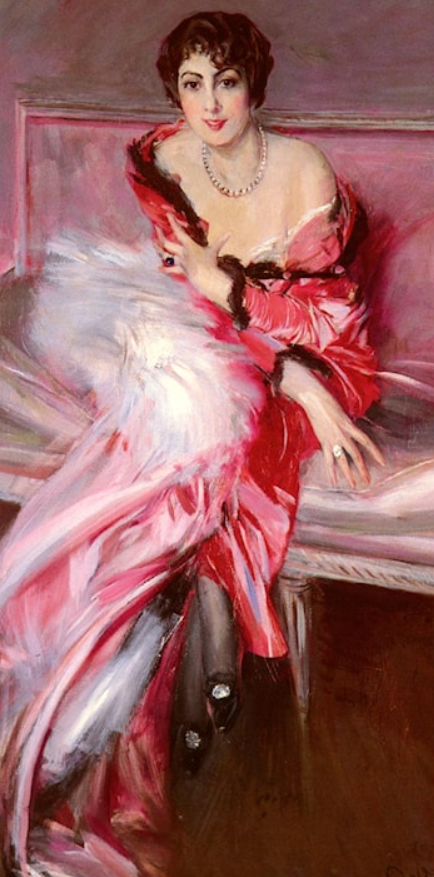
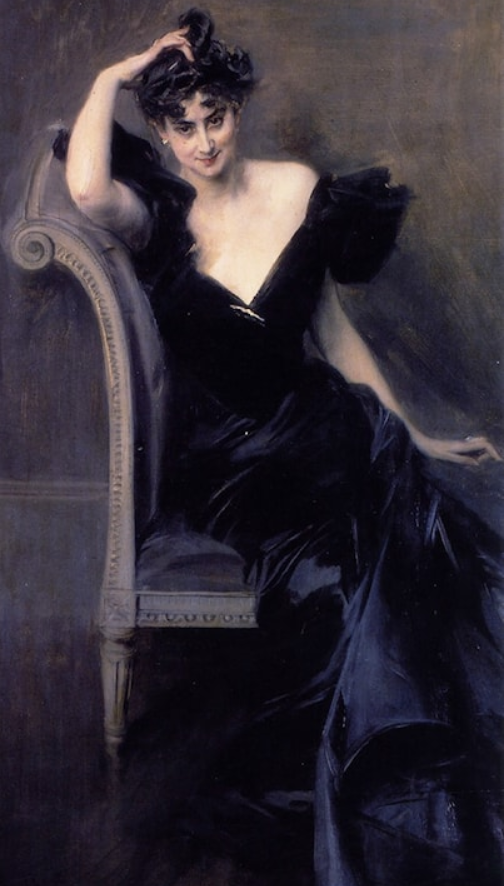
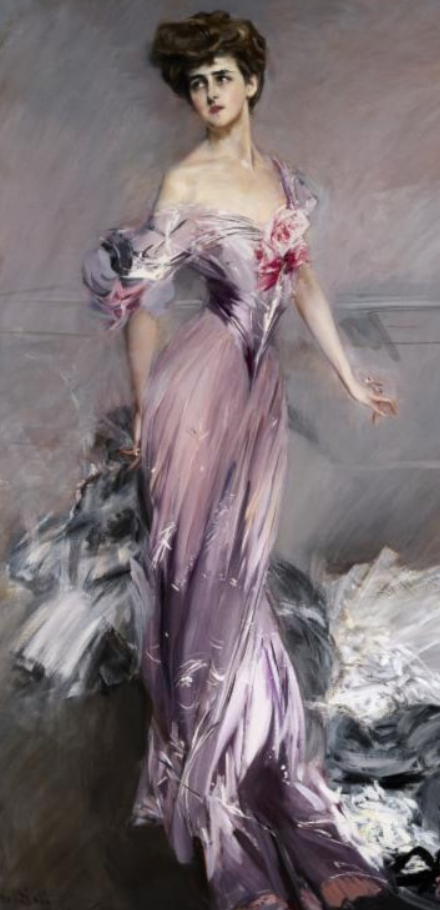
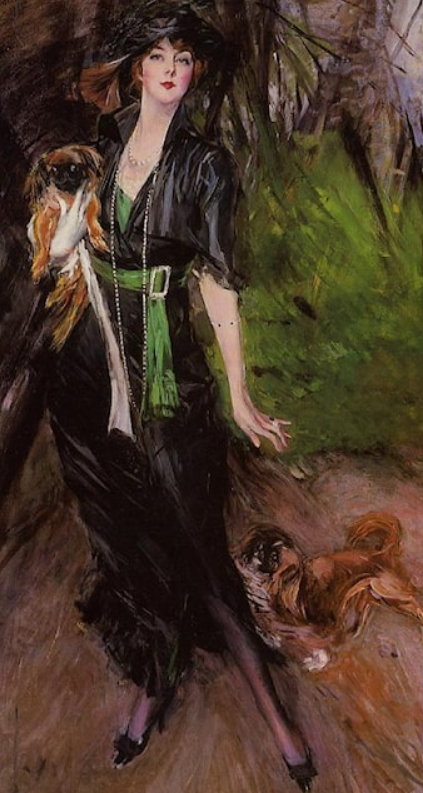
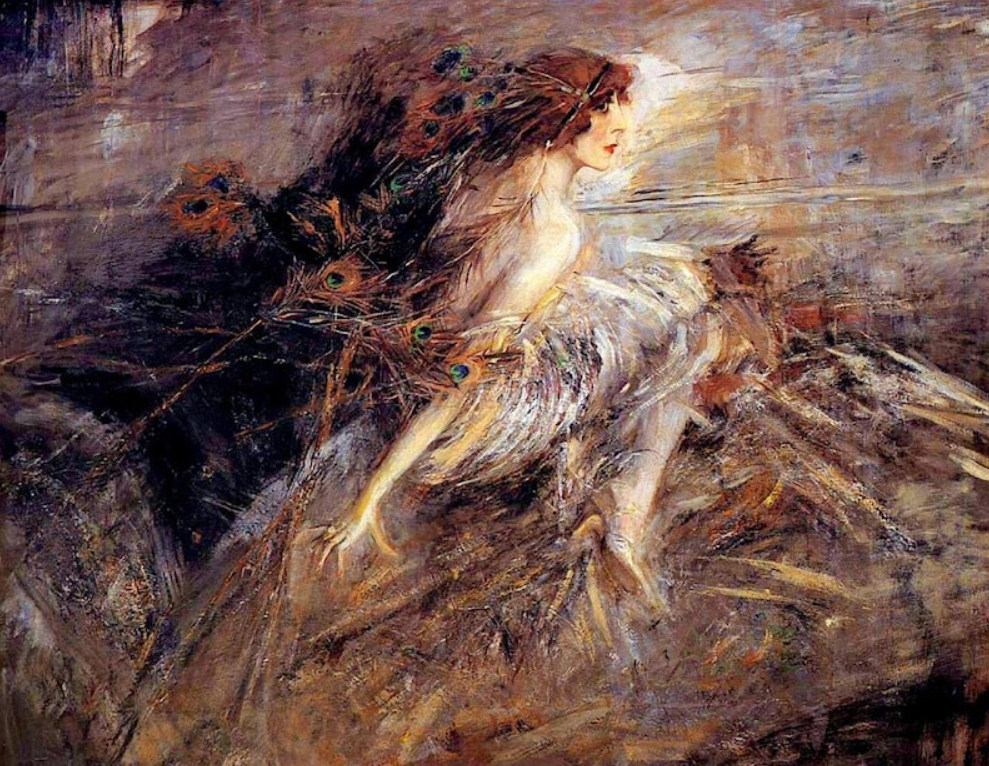
I may have mentioned before that one of my favorite artists, Giovanni Boldini, made a name for himself as a portrait artist during the late 1800s and early 20th century.  But I didn’t feature too many of those portraits — which oversight I’m now going to rectify.

Here’s La Contessa Speranza:

Madame E.L. Doyen:

Madame Juillard:

Madame Veil-Picard:

Mrs. Howard Johnston:

Lina Bilitis (with her two Pekinese):

…and one of his favorite subjects, La marchesa Luisa Casati:

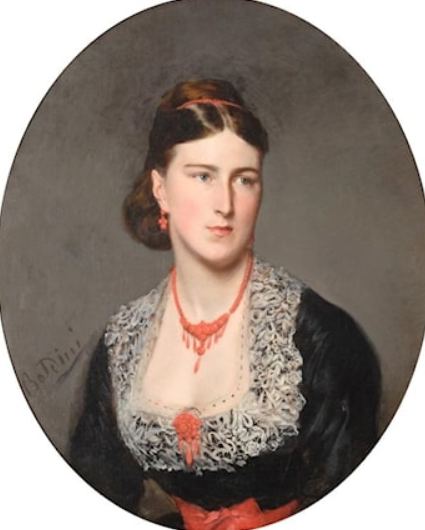
All these, and many more can be seen here.  It’s only when you look at portraits done by other artists of the time that you can see how different Boldini was, and why he was one of the most popular.  Here’s one (Florence Chambres) that he himself painted in about 1862, before he developed his signature style:

I think you get my point.

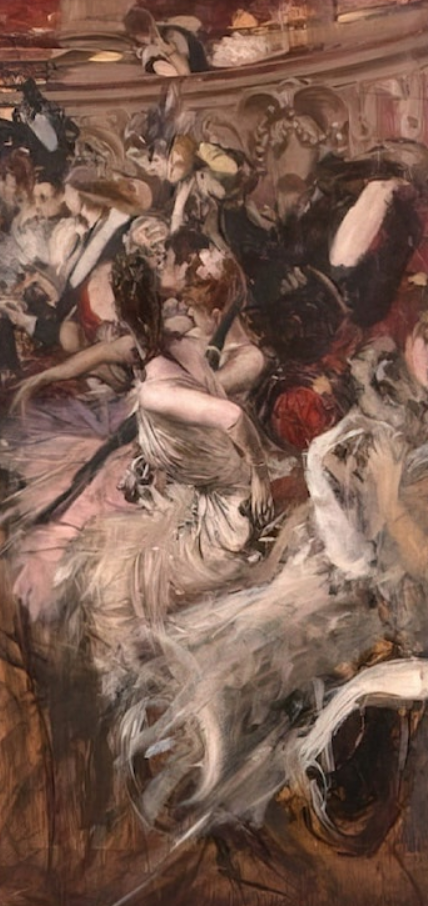
But just in case you were getting sick of all those society dames, here’s another of my non-portrait Boldini favorites, At The Paris Opera:

This one was painted sometime during the late 1880s, as I recall, and just looking at it makes me want to go back in time to the fin-de-siècle period.  What a riot.

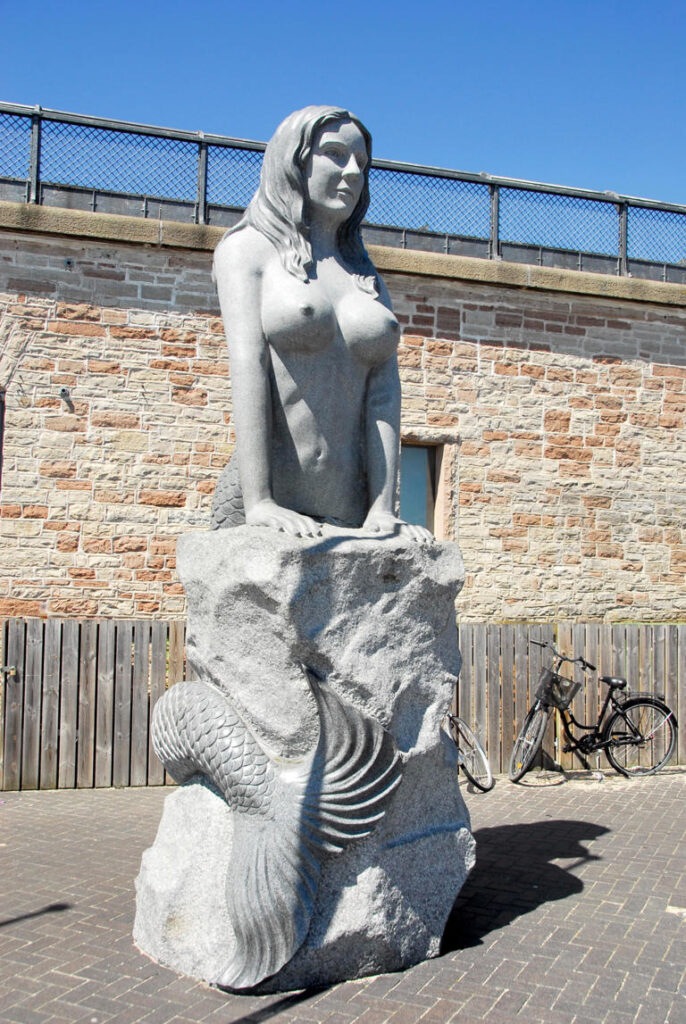
Big Mermaid

So much for art, then.  It appears that while the doughty Danes had such a good record of resistance against the real Nazis, they’re going to submit to the Feminazis:

A revealing mermaid statue in Denmark is set to be removed after it was deemed ‘a mans hot dream of what a woman should look like’ due to its large breasts.  

The Danish Agency for Palaces and Culture is reportedly taking down the massive 14-tonne Den Store Havfrue (the Big Mermaid) from Dragor Fort after criticism from locals.

Politiken’s art critic, Mathias Kryger, branded the statue ‘ugly and pornographic’, while Sorine Gotfredsen, a priest and journalist, wrote in the newspaper Berlingske: ‘Erecting a statue of a man’s hot dream of what a woman should look like is unlikely to promote many women’s acceptance of their own bodies.’ 

She said it was encouraging to know that many people find the statue ‘vulgar, unpoetic, and undesirable, because we’re suffocating in overbearing bodies in public space’.

So because “many people” find the thing (things?) objectionable, it’s “Bye bye statue”, then?

For those Readers who couldn’t be bothered to follow the link, here are pics of the offending artwork:

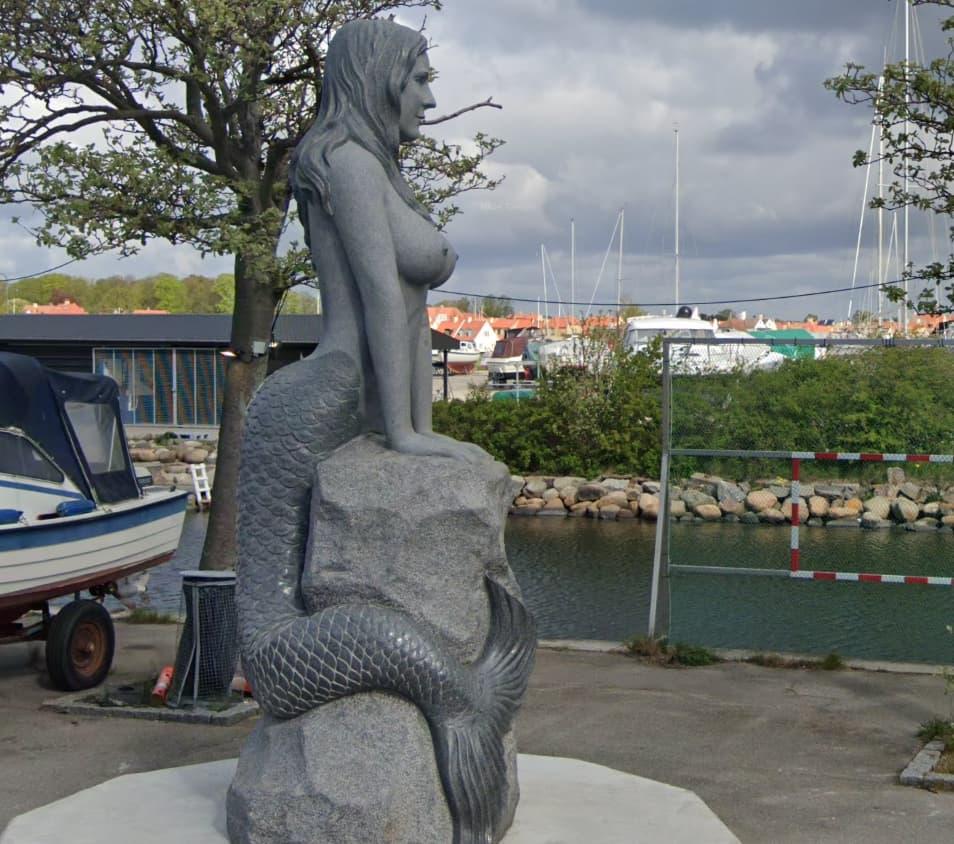
And in profile:

Wasn’t sculptured boobage the very origin of the term “statuesque”, anyway?

Stupid Danes.

Oh, and speaking of stupid Danes, here’s what the above-mentioned “art critic” looks like:

…and the priestly journalist:

Go figure, huh?

And to help you banish that foulness from your mind, here’s our own favorite statuesque lovely, Kelly Brook:

…who makes Den Store Havfrue  look positively anemic by comparison.

In Defense Of Nudity

I read this article at The Federalist (“The fact that celebrated works from the past contain nudity doesn’t justify us including it in our films, literature, and other mediums”) and much of what Meg Johnson says — and what Tolstoy said — is true.

However, as someone who enjoys nudity in art and pretty much everywhere else, allow me to come to its defense (so to speak).  The problem is that people (like Tolstoy) conflate nudity with its effect on the viewer’s libido, but I’m not sure I agree.

Michelangelo’s Statue of David:  art.
Michelangelo’s Statue of David Sporting A Massive Erection:  not art.

In times when nudity was rare, or frowned upon by the pezzonovanti  in the Church or government [some redundancy], then yes, the sight of a nude buttock or breast might have been titillating or arousing.  And yes, with the relaxation of those rules, simple nudity became much less so.  One has only to compare early Playboy  magazines with modern-day Hustler  to see the truth of that.

People always thought that publishing nudity was the thin end of the wedge, the start of the slippery slope and all the other clichés.  I’m not going to argue with that, because one inescapable fact of nature is that humankind will always push boundaries, whether it’s nudity in art or legal confines.  (Not all that long ago, theft used to be punished by hanging;  now, even murder isn’t always faced with the same consequence.  Speed limits are always tested, to the point where enforcement has had to apply a 10% “grace” allowance so as not to appear too tyrannical.)

Similarly, while “prurient” artistic nudity was banned in the past, “classical” nudity — i.e. nudity drawn to depict a Classical morality tale — was grudgingly accepted, an allowance that almost all classical artists took advantage of.  The example used in Meg Johnson’s article, Bernini’s Rape Of Proserpina in Rome’s Galleria Borghese,  is an excellent example:
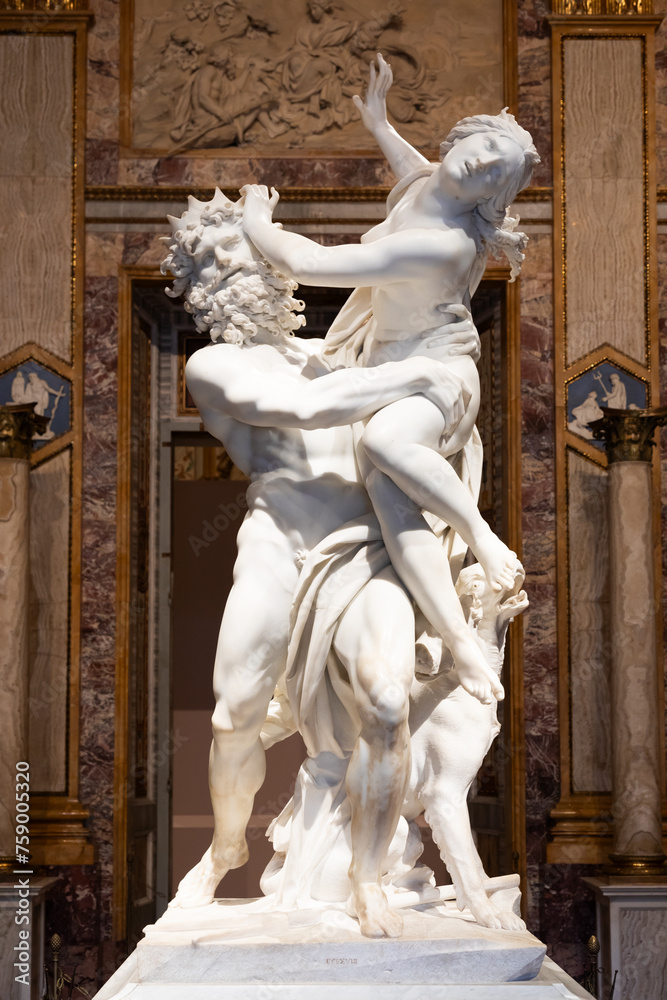
It is, of course, exquisite — as much for Bernini’s skill as a sculptor as its reticence.  Note that Bernini is showing the act of rape by displaying Pluto’s massive muscles compared to Proserpina’s slender feminine ones, the violence of her abduction revealed by her breast, rendered naked by her clothing having been ripped off, and Pluto’s brutally-joyous facial expression contrasting with her fearful one.

Bernini is not depicting the act of rape by showing Plato’s erect phallus plunging into Proserpina’s tender vagina — although he was quite clearly perfectly capable of sculpting it.  But that would have been pornography;  what he did is Fine Art.

I don’t have to show any examples of this comparison, because were I to do so, that would be showing pornography by using artistic criticism as its fig leaf.  (See what I did there?)

But by displaying nudity in art and acknowledging that this could inevitably lead to pornography, does that mean society’s moral ruin is inevitable?

Of course not.  And Johnson’s premise of “The fact that celebrated works from the past contain nudity doesn’t justify us including it in our films, literature, and other mediums” is in fact fatally flawed because it is denying that modern films and literature are themselves forms of artistic expression.

Where a movie director, for example, draws the line is the defining characteristic.  I’ve often deplored the modern movie trend of showing love scenes as sex scenes, instead of simply hinting at it — you know, a close-up of a passionate kiss fading to black and the next scene showing the couple lying together in bed the following morning (or not even that explicit).  To me, showing the sex between a couple denies us, the audience, the opportunity of using our imagination — and that’s a primary artistic flaw if ever there was one.

But simple nudity?  I’m all in favor of it, if for no other reason that it upsets those who insist on their womenfolk wearing maxi-dresses, burkas or niqabs.

The hell with them.

Wallpaper

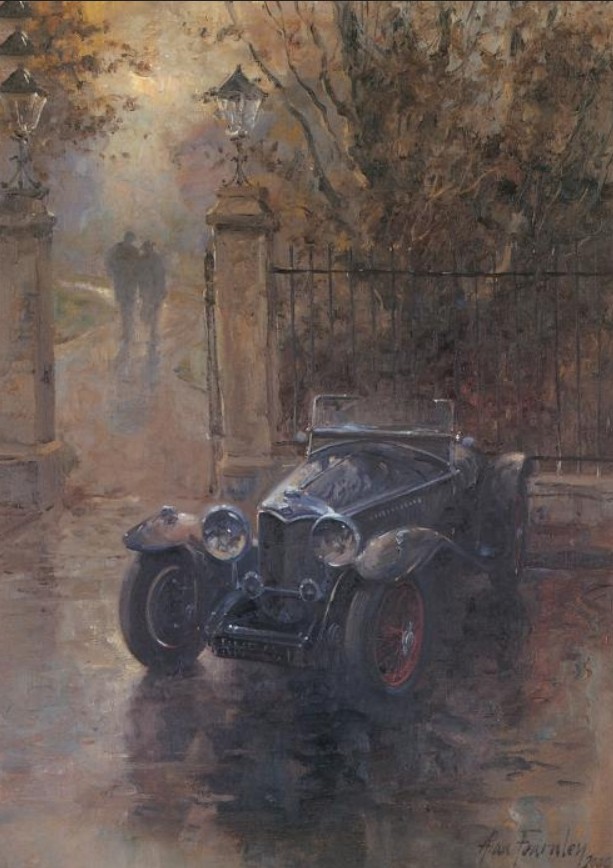
This one got my attention, so up it goes:

It’s funny:  you think it’s just a rendition, and then you go to London’s King’s Cross or the Gare du Nord in Paris on a chilly misty morning… and it looks almost exactly like that.

Enough With The Bananas

Over at Intellectual Takeout, John Horvat talks about bananas on walls:

My reasoning centers on a recent event in New York City in which the renowned Sotheby’s auction house sold a 2019 art piece dubbed “Comedian” by Maurizio Cattelan. The work consisted of a fresh banana duct-taped to the wall.

The bidding started at $800,000, and within five minutes, the item sold for $5.2 million plus auction house fees, which came to a total of $6.2 million. The new owner is Chinese-born crypto-businessman Justin Sun.

The actual banana cost thirty-five cents when bought in the morning at an Upper East Side fruit stand. The new owner will get a certificate of authenticity and installation instructions should he want to replace the banana before it rots. Mr. Sun has already announced that he will eat the original banana “as part of this unique artistic experience, honoring its place in both art history and popular culture.”

Commenting after the sale, Billy Cox, a Miami art dealer with his own copy of “Comedian,” says the work is something of historical importance that comes only “once or twice a century.”

Uh huh.  Like the paint-splattered “art” of Jackson Pollock, to describe this as “art” at all, let alone something of “historical importance”, is to underline the folly of the so-called cultural elites and their absurd mania for post-modernist deconstructivism.
We are living in a society where certain liberal sectors inhabit an alternative reality where thirty-five-cent bananas are handled as multimillion-dollar works of art. The problem is that they want to force everyone else in society to believe their madness.

“Pull the other one” would be the obvious rejoinder.  But Horvat takes it further:

The first are those who do not want to see the absurdity of the banana on the wall and dogmatize that it is art. They create their own reality and impose it on the nation.

The second group consists of those tired of being told a banana taped to the wall is art. They long to live in a world where art is art and bananas are bananas.

In the [2024] election, some of the latter group said, “Enough is enough.”

This reaction was not against a single banana on one wall.

You see, there is [also] the banana that claims a man is a woman and a woman is a man. Other bananas claim that people can choose their pronouns, pornography in libraries is literature, or that it is just fine for men to compete with women in sports. We are told drag queen story hours are suitable for children, after-school Satan Clubs are educational and it is not a human baby but a clump of cells.

It is all part of a vast banana extravaganza that we are asked to admire and make believe is the blueprint for a dream society.

Quite right.  There’s only one thing to do when faced with these bananas:

yup.  Dip them in boiling oil.