Sent by several Readers, especially my Brit buddies, this.

Art, music, literature and thespianism
Sent by several Readers, especially my Brit buddies, this.
I know I’ve featured the art of Alan Fearnley many, many times before, but I’m hopelessly, passionately in love with it.
Indeed, if someone were to tell me that I could put only his paintings on my walls, I’d have no problem with it. (New Wife, however…)
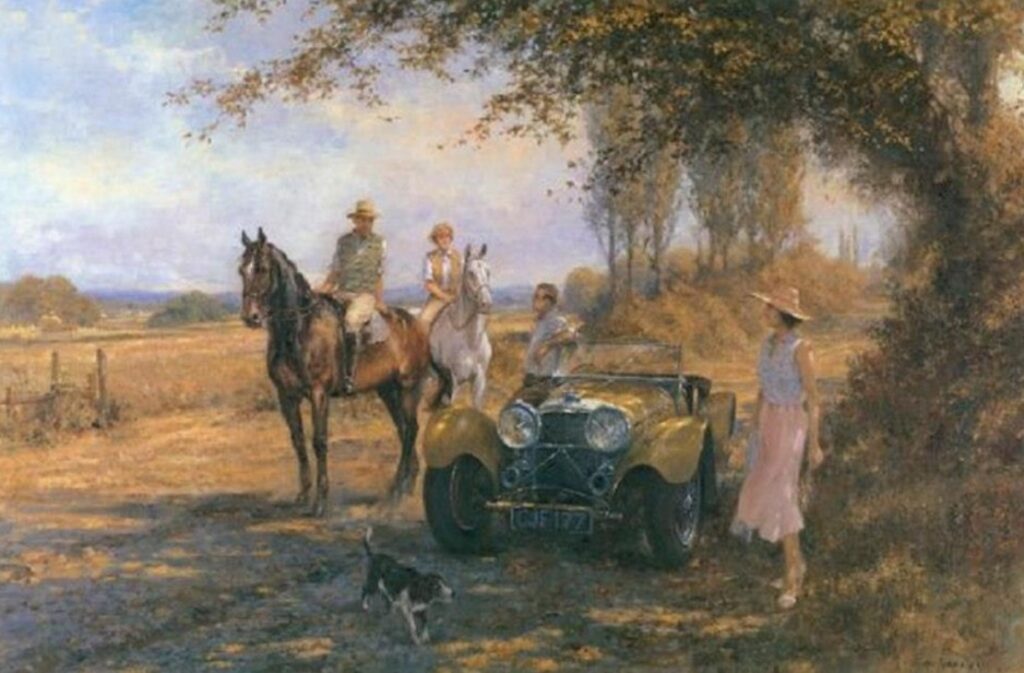
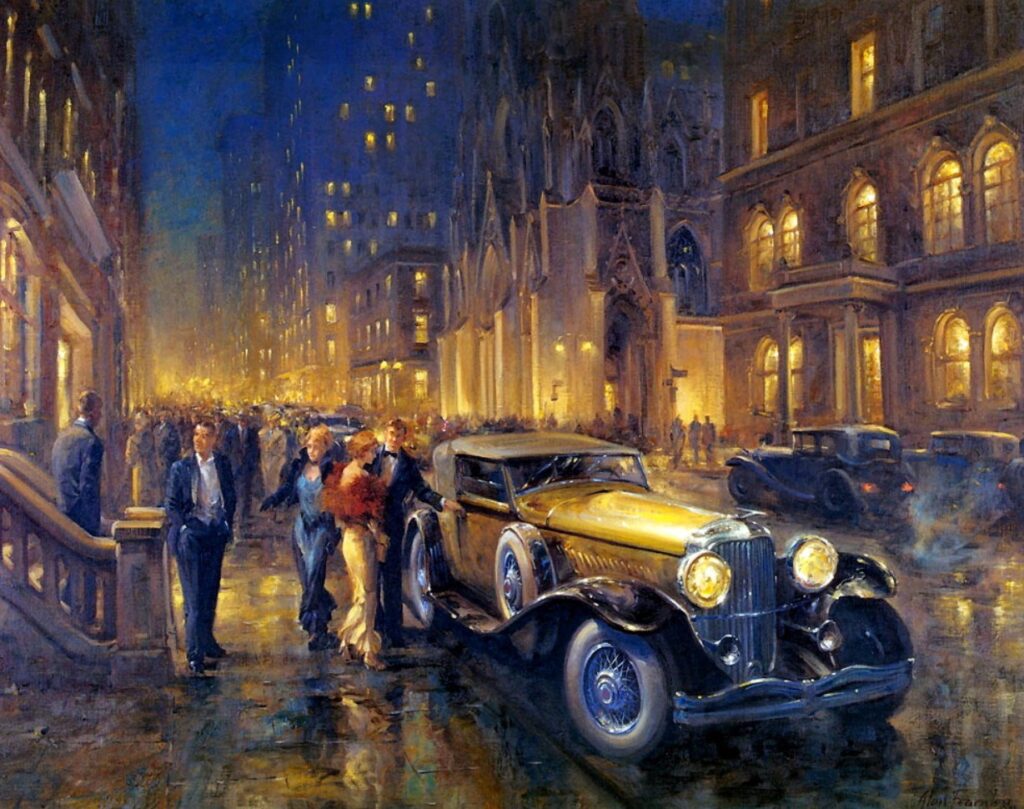
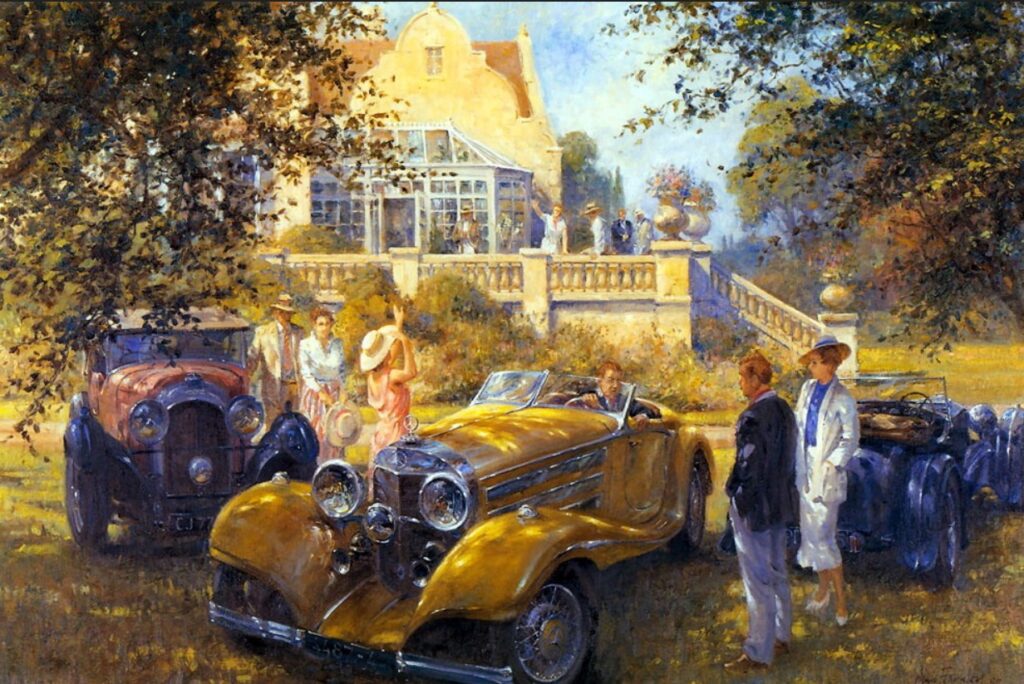
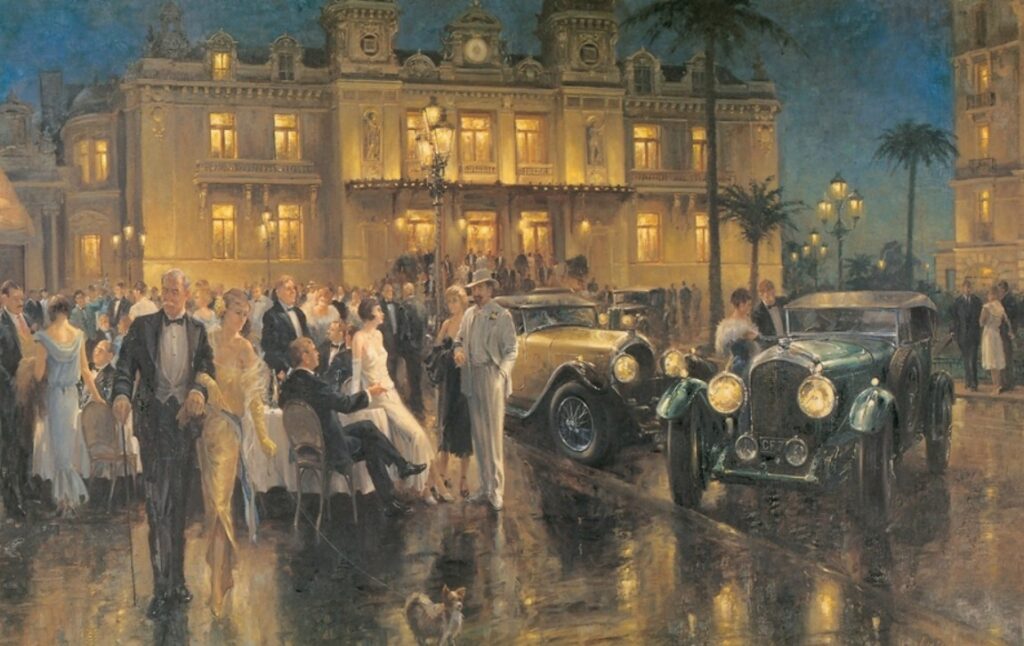
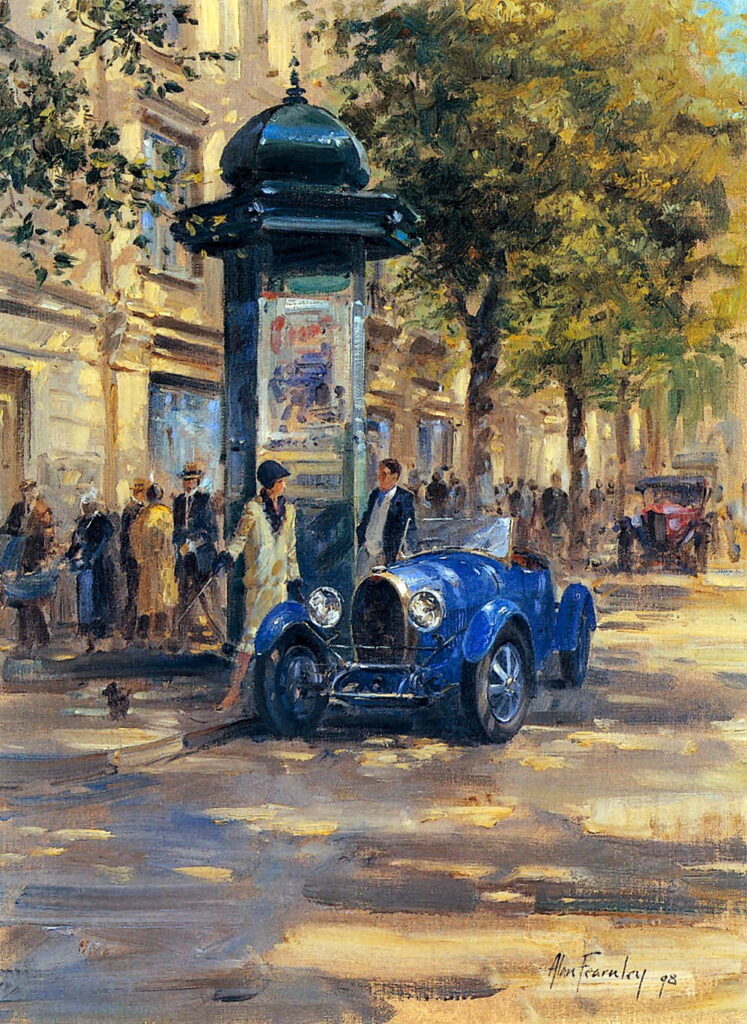
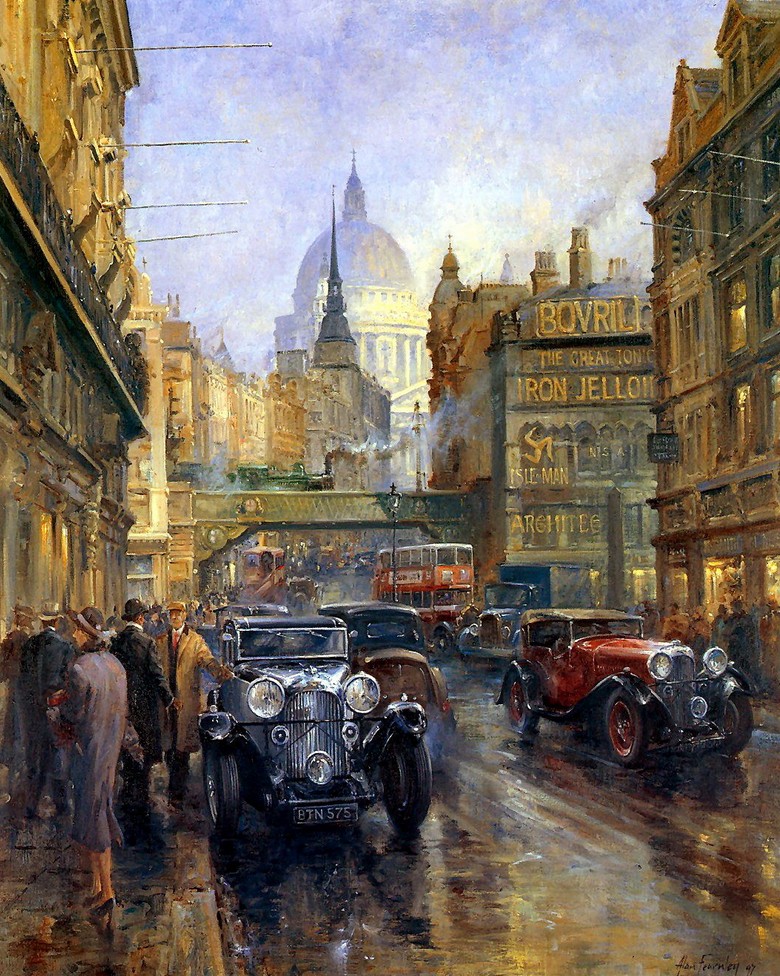
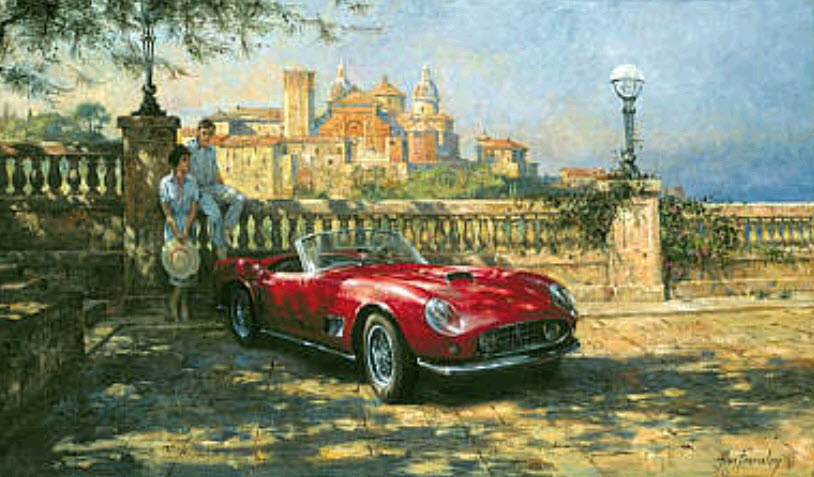
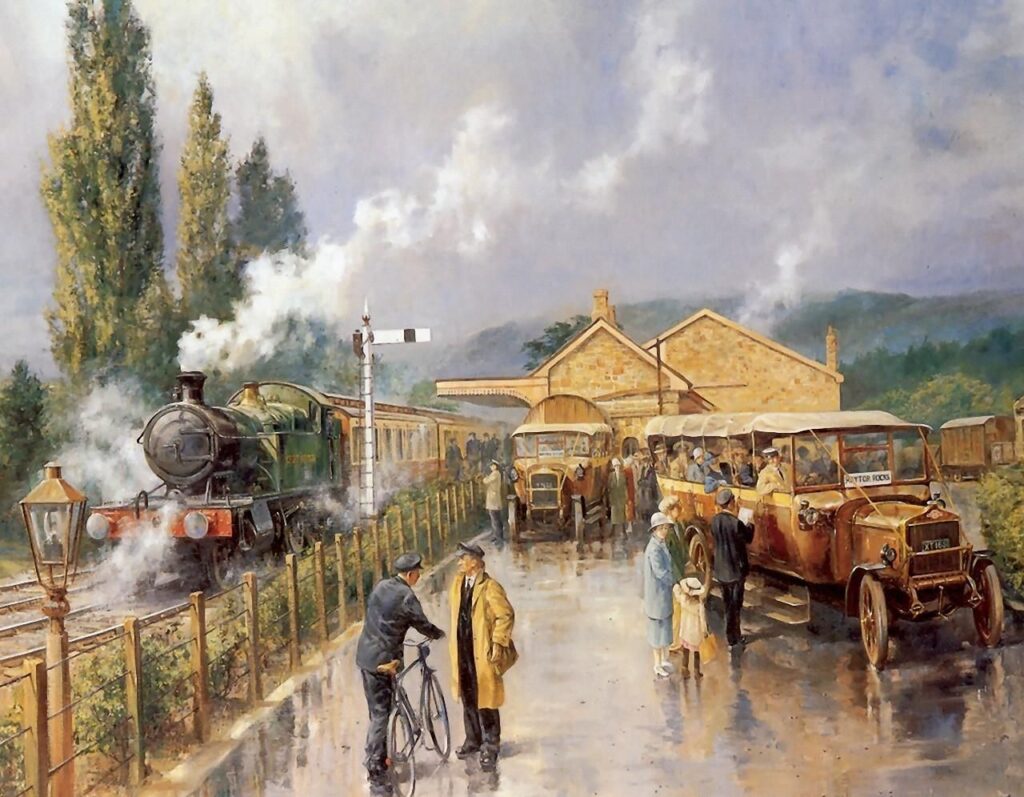
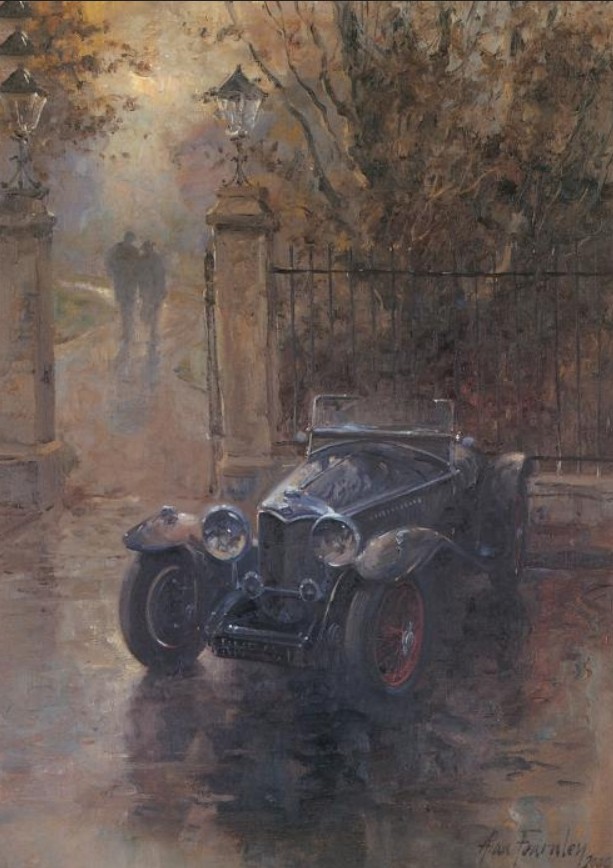
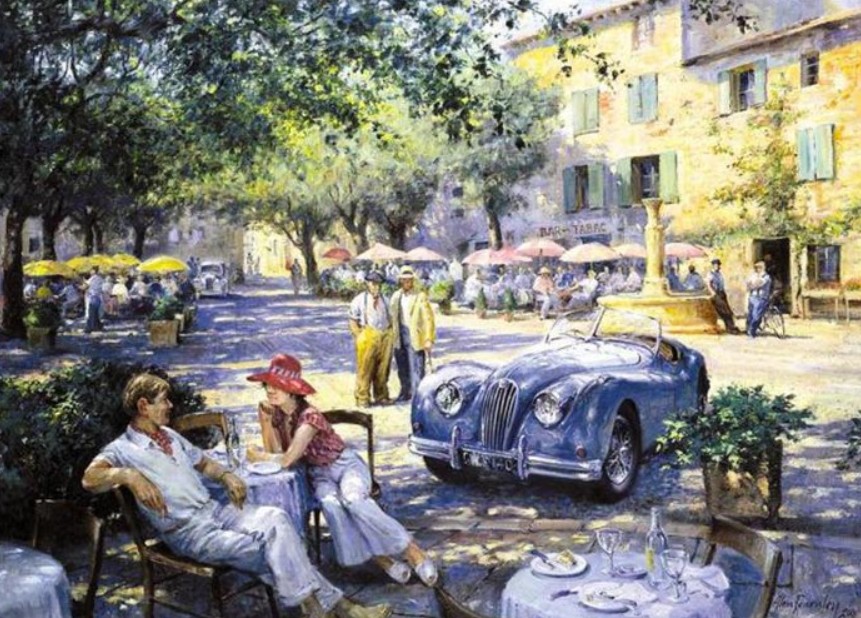
Then I found something a little different, from his “picnic” series:
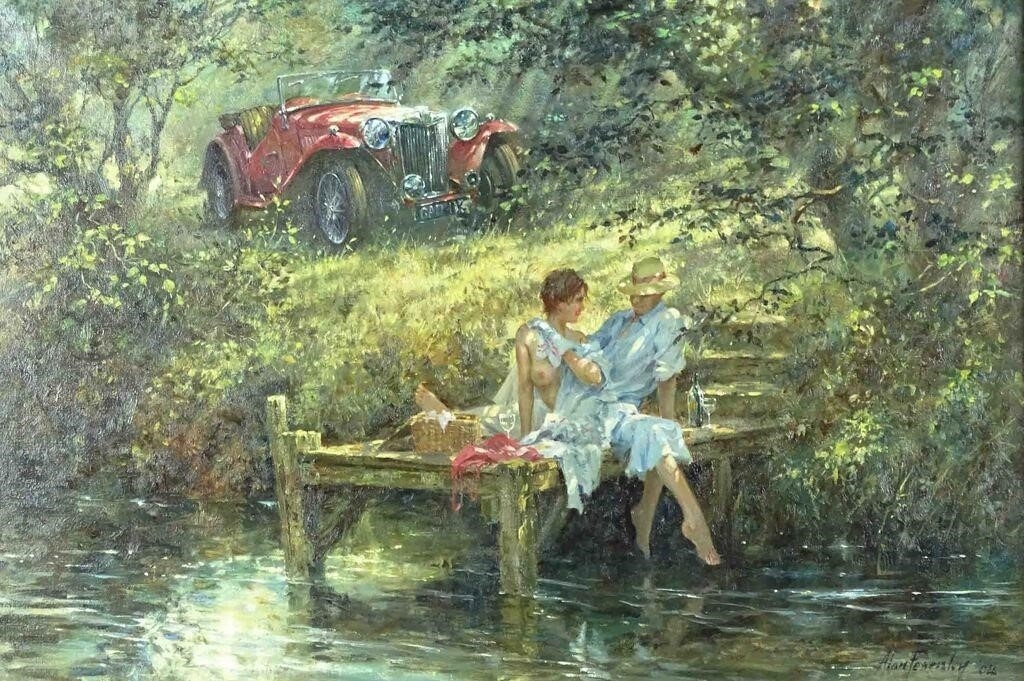
Right cheeky, that is.
During the 19th century, the Academic Art movement was extremely popular, incorporating themes of classic figures and themes, symbolism but above all, a realistic execution. The French Academy, of course, took this to extreme lengths in that they pretty much decided that this style was the only worthwhile form of artistic expression and tried to suppress all other — which later led, perhaps justifiably, to their excoriation by the Impressionists and a subsequent loss of popularity.
Which I think is a shame, because along the way we lost the works of some incredibly-talented artists, such as William-Adolphe Bouguereau (pronounced “booger-oh”, for non-Francophiles).
I have a great fondness for Bouguereau’s work, as it happens, because while some of his paintings are kinda ordinary, there are several instances of startling and unsettling undertones. Let’s start with the regular stuff:


All very innocent, really. But one of the underlying reasons for this classicism was that it was a way of getting around the censors: as long as the theme was classical, you see, an artist could depict pretty much anything of a more, shall we say, revealing nature.


Not to say implicitly sexual:


And just so we’re clear on the topic, here’s Bouguereau’s depiction of Dante and Virgil in the Inferno:

Now that’s realism. Those effete Impressionists pale by comparison.
I may have mentioned before that one of my favorite artists, Giovanni Boldini, made a name for himself as a portrait artist during the late 1800s and early 20th century. But I didn’t feature too many of those portraits — which oversight I’m now going to rectify.
Here’s La Contessa Speranza:
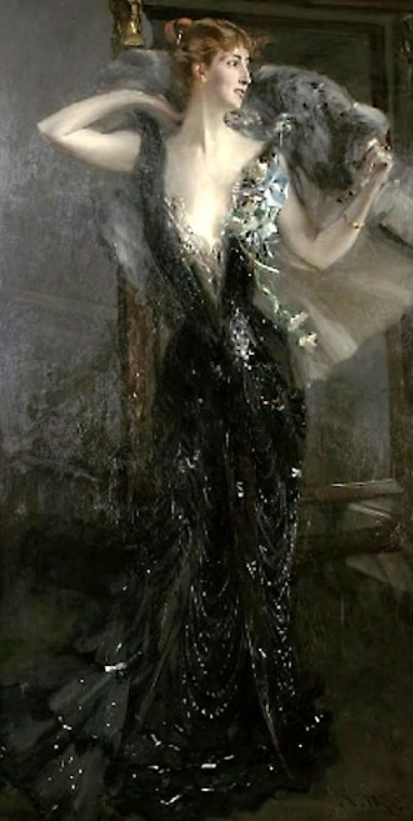
…Madame E.L. Doyen:
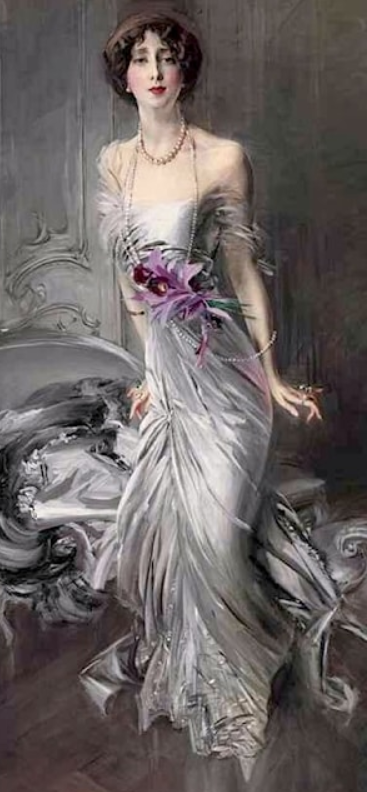
…Madame Juillard:
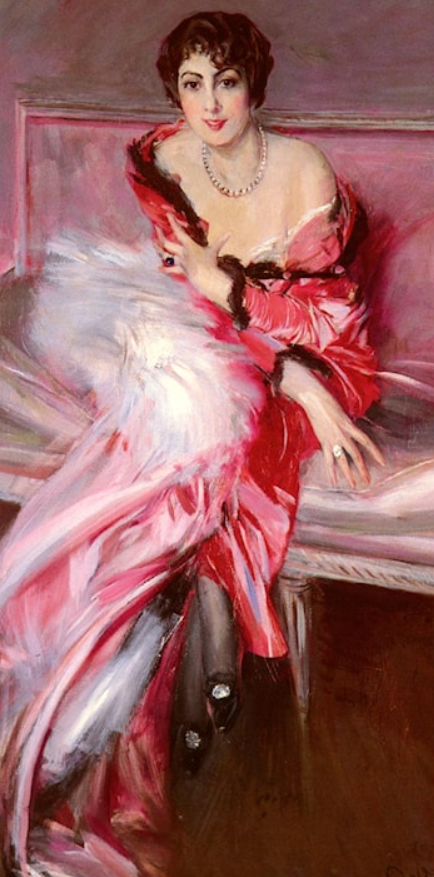
…Madame Veil-Picard:
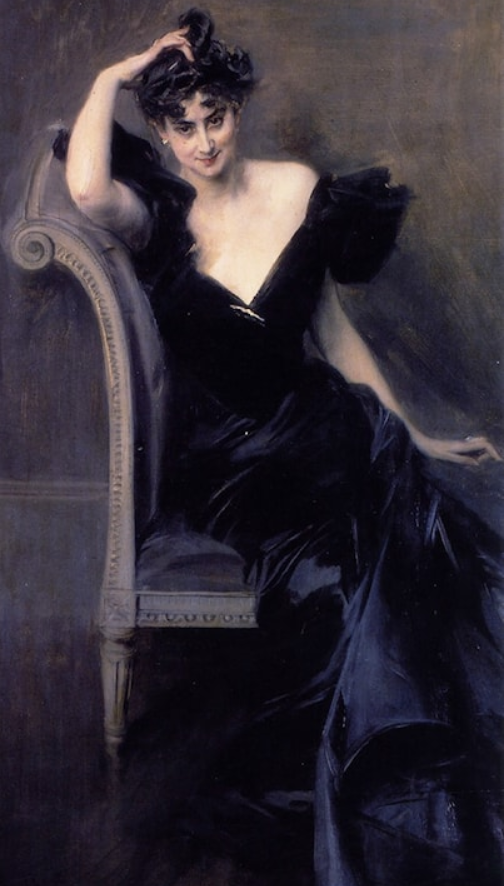
…Mrs. Howard Johnston:
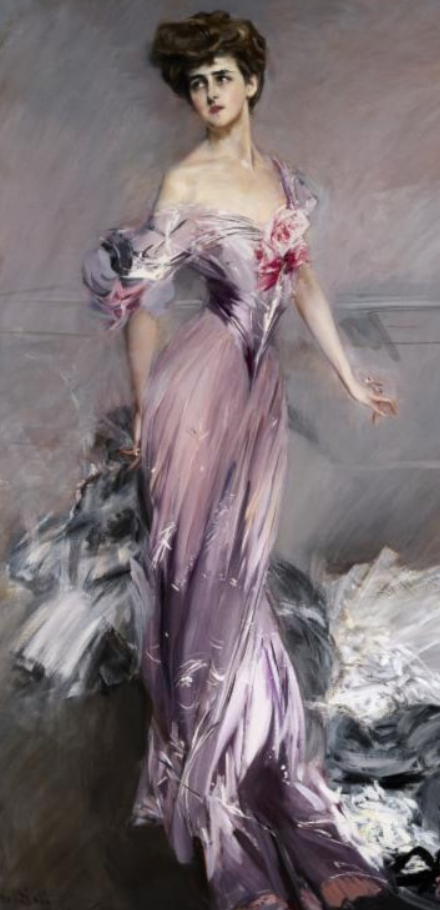
…Lina Bilitis (with her two Pekinese):
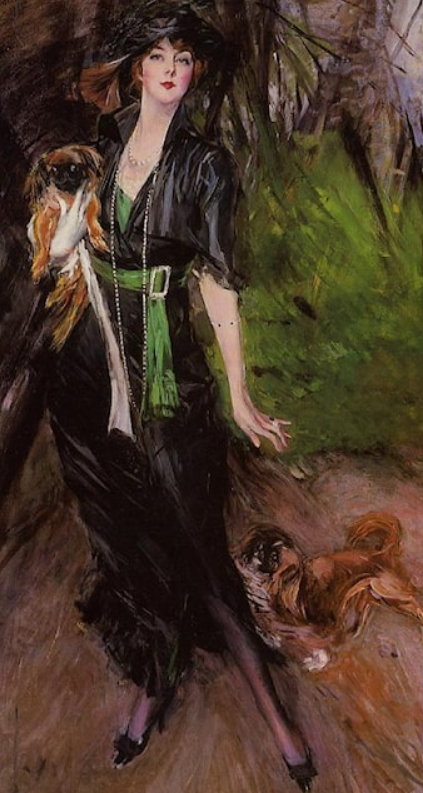
…and one of his favorite subjects, La marchesa Luisa Casati:
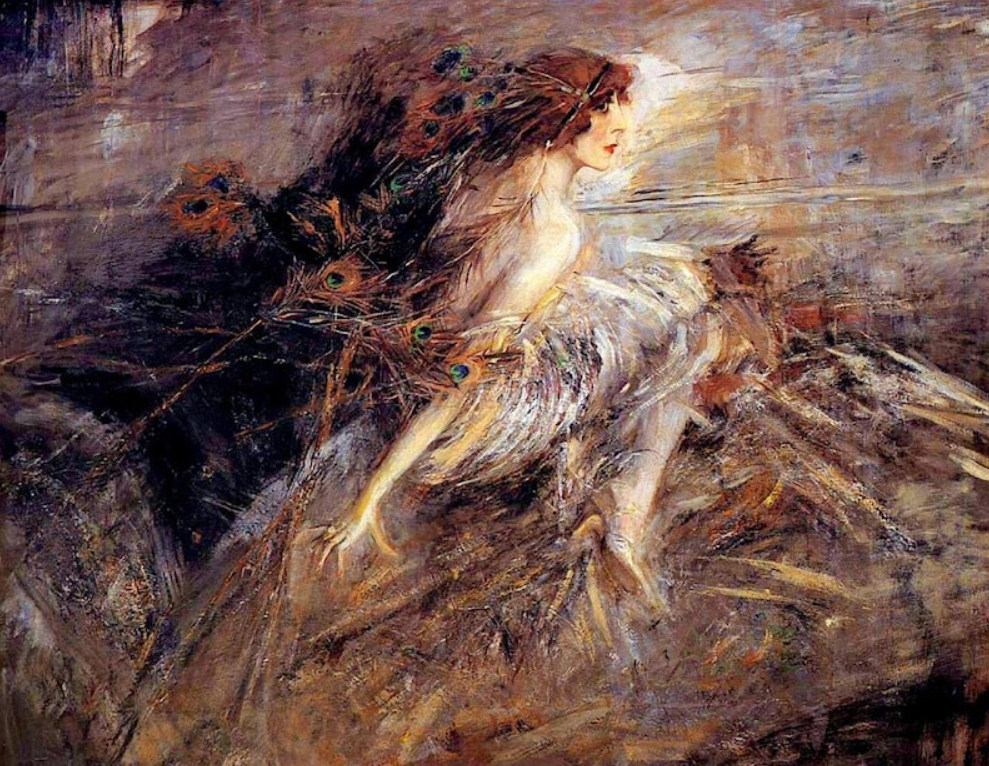
All these, and many more can be seen here. It’s only when you look at portraits done by other artists of the time that you can see how different Boldini was, and why he was one of the most popular. Here’s one (Florence Chambres) that he himself painted in about 1862, before he developed his signature style:
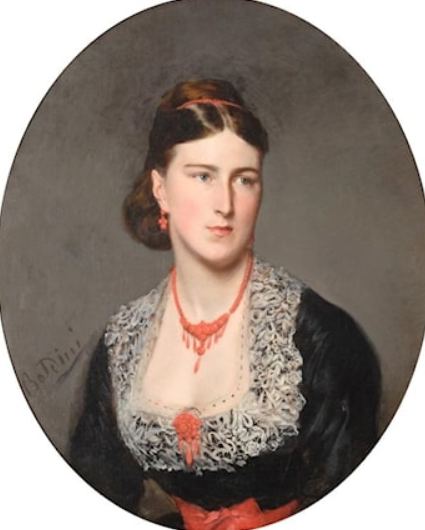
I think you get my point.
But just in case you were getting sick of all those society dames, here’s another of my non-portrait Boldini favorites, At The Paris Opera:
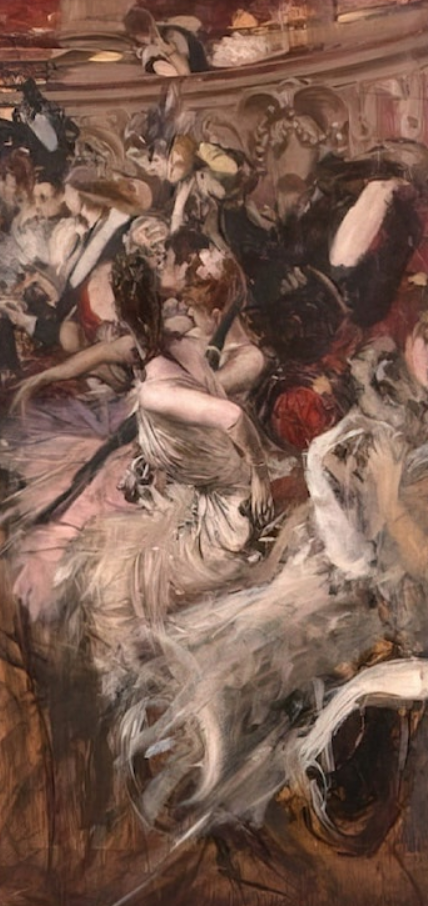
This one was painted sometime during the late 1880s, as I recall, and just looking at it makes me want to go back in time to the fin-de-siècle period. What a riot.
Here’s a list of movies I can get behind:
10 Brilliant British War Films That Completely Tanked
(That Are Now Classics)
I’ve seen all but one or two (I have got to watch Colonel Blimp at some point in the near future), and all I can do is offer a ringing endorsement. That they all failed at the box office just reinforces how good they really are.
I have DVD copies of A Bridge Too Far, Aces High and Charge of the Light Brigade, and having been reminded by the video, I think I need to look at acquiring a couple more — The War Game and Zulu Dawn, especially.
Do ye (y’all) the same.
Swing Shift memories…