Harry and Jeremy talk about cars in one of the most entertaining videos ever made — and I’m in total agreement with practically everything they say. (Feel free to watch it before continuing with this post, because it will make things a lot clearer.)
Where I’m intrigued is when the discussion turns to the concept of “peak car”, which I’ve alluded to on several occasions: that time when new cars came with sufficient horsepower and a sufficient amount of technology which makes driving enjoyable for the average driver.
The two of them reach a sort of agreement on 2015 as the year when cars reached the apogee of performance/technology.
I have a slightly different take.
I think that “peak car” depends on the brand / model. Here are a few examples to illustrate the point.
Sports cars
1998-2005 Acura/Honda NSX
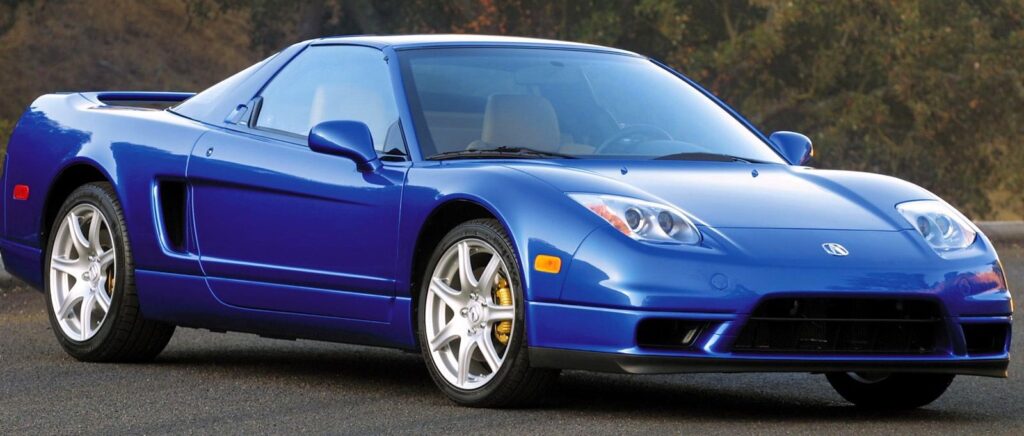
The car that redefined “sports car” from “that fantastic-looking thing that’s wonderful to drive… when it starts and doesn’t break down all the time” to “that fantastic-looking thing that’s wonderful to drive — period“. All the performance anyone could possibly need, used a manual gearbox, and the only technology missing is satnav. [#retrofit, if needed/wanted]
Here’s the thing: I know that the newer model NSX probably handles a little better than the first incarnation thereof, and is more efficient in terms of fuel consumption, etc. etc. My question is: in the hands of an average driver (e.g. myself), would one even notice the difference? And more to the point: even allowing for inflation, are all those improvements worth the extra cost of the new car?
1996-20002 Ferrari 550 Maranello
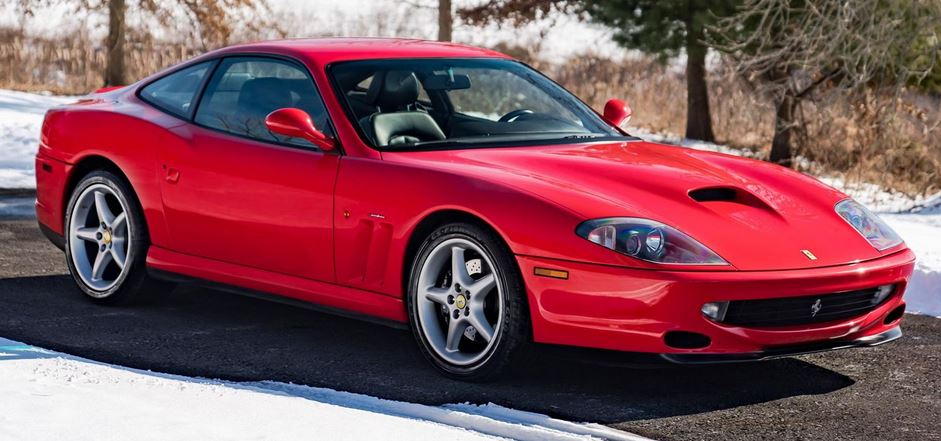
After the 550, Ferraris became too big, too powerful and too full of unnecessary geegaw technology. And the 550 was the last Ferrari to offer a stick shift.
The newer Ferraris are undoubtedly more powerful, faster, better-handling etc. than the 550.
But here’s the thing about this: ignoring appearances, we would all know that the 550 is a far better car than, say, a 1960s-era 275 — faster, much better handling, and all that. But are the newer 2020-era Ferrari models (e.g. the F12) that much better than the 550 as the 550 was to the 275?
I don’t think so; and the added complexity of actually getting the newer cars to run does not improve the driving experience (See Clarkson and Metcalfe’s take).
Saloon cars
1994 Jaguar XJ40
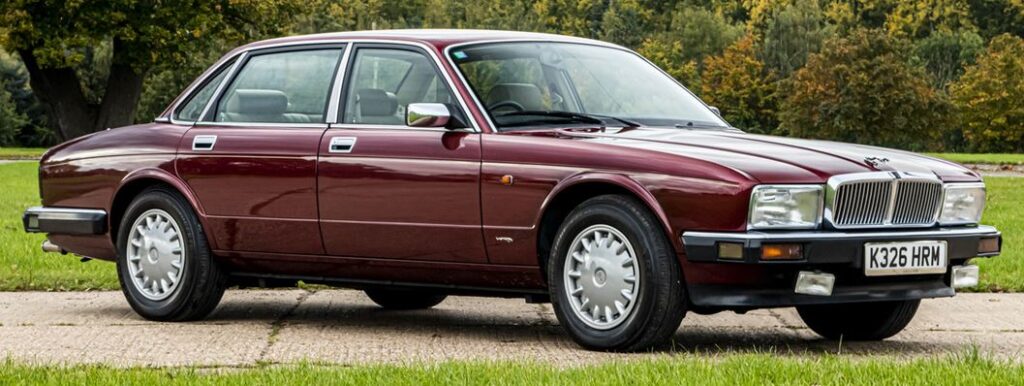
The last XJ model produced before Ford turned Jaguar into Fords, the 1994 model was Jag’s highest-quality saloon car, which is why they still command a premium on the resto market. The 1994 model featured a V-12 engine, and its Daimler counterpart was wonderfully named the “Double Six”. I would humbly suggest that the XJ40 was Peak Jaguar. Sumptuous ride and as much power as anyone would need in a family car, it was Jag’s answer to Mercedes and BMW. And speaking of Mercedes…
1980 Mercedes 450 SE (W116)

I would also suggest that the 4.5-liter V8-powered 450 SE was Peak Mercedes (among their luxury saloons, that is). The hydro-pneumatic suspension made an already-comfortable ride an exquisite one (matched only by the similarly-suspensioned Citroën), and the engine provided all the power that this heavy best needed to get up there. And given that the W116 also featured rack-and-pinion steering (a new feature for Mercedes, amazingly), the 450 SE was streets better than its Mercedes predecessors and the equal of any of its competitors. Sure, the modern S-series Mercs are excellent vehicles — but at a price that is more than two-thirds higher than the 450, and whose capabilities are nowhere near 1.66x better. (And we shall not speak of the 450SEL “6.9” with its 6.8-liter engine which demolished any other saloon car of the time and could outperform most sports cars withal. But they made fewer than 8,000 of them. And yes, I’d take one today, in a millisecond. The 6.9 would definitely compare quite favorably to the modern S500 series.)
Harking back to the Clarkson/Metcalfe video for a moment: Clarkson reckons that the original BMW M2 is far better — in terms of driving experience — than the newer M2 model, because the newer ones have just too much electronic crap which take away from the fun of it.
Most tellingly, neither Jeremy nor Harry are interested in buying a new model car of any brand or make (like me). Now I know that they’re a pair of old farts (also like me), but there’s no discounting their love of performance cars and their profound knowledge thereof (unlike me).
All three of us — and I suspect, a great many others — would quite happily take one of the “peak” cars over the latest model from that stable, especially at the prices of yesteryear.
So… which do you think represents “peak car” among your favorite car manufacturers?