And given that it’s now officially October — okay, Oktober — let’s fest our eyes, so to speak:






The only way they could be any sexier is if they were AfD supporters.

And given that it’s now officially October — okay, Oktober — let’s fest our eyes, so to speak:
The only way they could be any sexier is if they were AfD supporters.
Not for the first time, I find myself devoid of interest in terms of commentary on our world today.
I’ve ranted on all the above topics so many times that I’m boring myself; gawd knows what this is doing to you, my Readers. Right now, the only thing that would cheer me up would be if POTUS and his SecWar do a Night of the Long Knives thing with all those generals they’ve summoned, and then move on to do the same to the rest of the FedGov when they shut themselves down.
I think I’ll spend the entire day at the range. Do ye all (y’all?) the same, because this nonsense may well be in our future.



Also out of the window, some Backlash News:





...it’s just a good thing that in the grand scheme of things, none of them matter.

...of course, ICE could always respond to the danger by shooting the little shits when they get violent. And speaking of The Great Cultural Assimilation Project©:

...okay, so we throw them in jail for thirty years, then strip them of their citizenship and then send them back to Assholistan. Anyone got a problem with this? Nobody? Well all righty, then.
Some .DotMil News:

...you mean he’s still alive?
#HangHimTomorrow

...long overdue, too.
And in Global Cooling Climate Warming Change© News:

...I think “failing to meet expectations” describes pretty much all these bullshit Green ideas.
Now for some Perv News:

...errr who he again?
#SorosFundManager
Speaking of perverts, here’s the Dept. of Education:

...and here I thought it was the pupils who gave teachers gifts (e.g. apples). Must be a new thing.

...because said murderer started off as a “teacher”. Fucking Commies.
And now for some 










And as we peer over the hedges that line the houses in  :
:

...ooooohhh yes.
 ...and a few others of the non-lagoon type:




Okay, so there’s this thing, and I have an almost pathological desire to buy it:
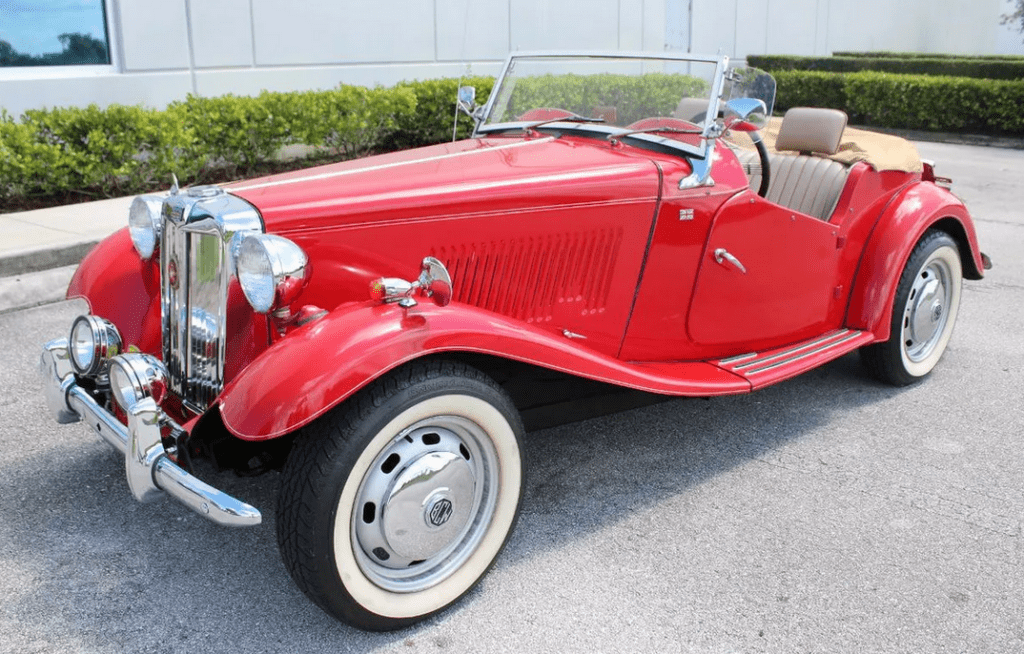
…and I think it’s exquisite.
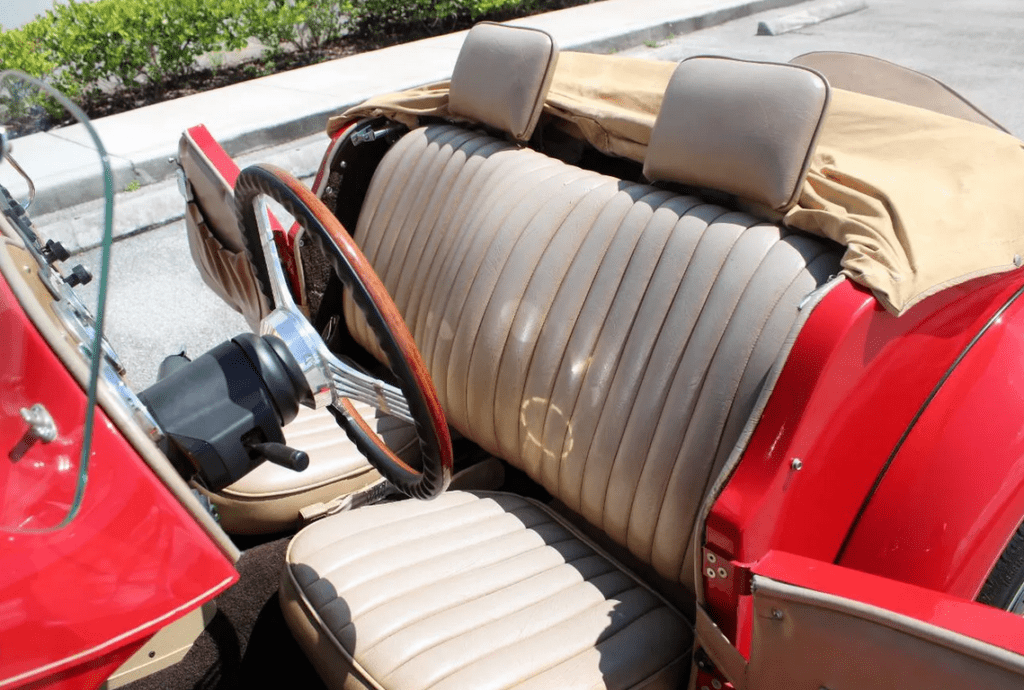
No, it’s not an actual MG TD, but a copy. Don’t care. The reason I really want to buy it is this:

Take that, you safety Nazis. The hell with you all; my next birthday is my 71st, and that’s all there is to say about it.
This one had me giggling like a little girl:
Bentley has decided to delay its electric vehicle plans.
The historic carmaker that’s headquartered in Crewe, Cheshire, has opted for a shift in strategy as they now plan to renew three models with petrol engines, instead of electric. The company originally planned to transition to a fully electric lineup by 2030 – under its Beyond100 strategy. These previous plans included offering only plug-in hybrids and EVs by 2026, then eventually phasing out hybrids for a zero-emission lineup.
But why, oh why are they seemingly defying the EU/BritGov’s NetZero diktat ?
Bentley CEO, Frank-Steffen Walliser, said: “There is a dip in demand for luxury electric vehicles, and customer demand is not yet strong enough to support an all-electric strategy.
“The luxury market is a lot different today than when we announced Beyond100.
“Electrification is still our goal, but we need to take our customers with us.”
That last sentence is just to appease the Greens.
Frankly — given that Bentleys have stood for “luxury + power” ever since they won several Brooklands and Le Mans races in the 1930s — there’s little reason to think that a typical Bentley customer should be any different in, say, 2030 (or ever) than they’ve been since those halcyon days in the 1930s.
Massive engines — gasoline/petrol-powered — with ripsnorting power and “sufficient” speed are a Bentley trademark. Hell, many Bentley customers — current and potential — are still seething about the company’s decision to dump the W12 in favor of a turbo V8.
And just as a reminder: Bentley is owned by Volkswagen (the W12 is actually a VW design from the Phaeton). VW is also the owners of other brands… and what are they doing?
Porsche, another brand that is owned by the VW Group alongside Bentley, recently announced plans to delay the launch of its latest EV due to low demand. Instead, the iconic German sports car marque plans to focus on internal combustion engines and innovative technologies such as wireless charging — recently demonstrated with the upcoming Cayenne EV.
Similarly, Audi, yet another VW brand, has abandoned its goal of becoming an all-electric brand by 2033, instead opting for flexibility based on market conditions.
Oh.
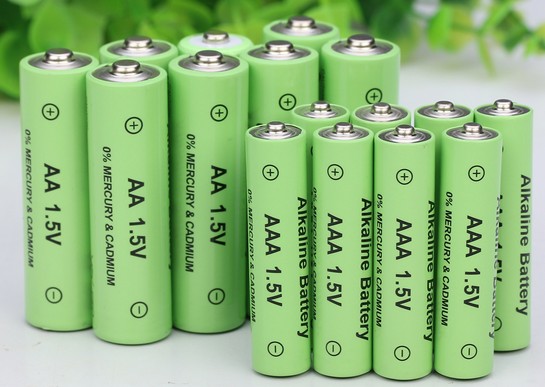
Yeah, and those “market conditions” are being signaled by their respective customer bases with a common voice: “Screw those stupid Duracell motors: we want real engines in our performance cars.”
I could have told them this would happen, and in fact I did on these very pages.
And hey, I don’t own stock in VW — but if I did, I would have dumped it the very second they announced their stupid all-electric / electric-only initiative.
And as the car manufacturers like VW and Mercedes continue to wonder why their stupid customers are refusing to buy their little Duracell cars, there’s this report from the trenches:
Wheeler Dealers host Mike Brewer has claimed purchasing an electric vehicle was the “most stupid decision” ever made, revealing he has ditched his EVs and returned to petrol models.
Oh noes! Whatever could have happened?
“The day I decided to sell my Porsche Taycan, which is a high-performance beautiful electric car, was the day that I couldn’t charge it. I went down to see my parents. On the way back there was nowhere to charge it, all the chargers were broken and nothing would work.
“When I did find a charger that was working, there were 12 people queued up waiting to charge their cars. The car went into ‘limp home’ mode, meaning I had to drive it at 40mph on the motorway, I realized I’d just paid £130,000 for something I was driving at 40mph on the motorway embarrassed. Why am I doing that? Why did I put myself through that anguish?
“Plus it was losing £5,000 per month at that time so it was the most stupid decision I’ve ever made.”
Is that all?
“I did buy one of those electric Mercedes recently, an EQC. 10 minutes and I’d done enough of that. That went back. I watched it lose £20,000 over the course of a couple of months and went ‘I don’t like that anymore’ and it went.”
And:
“I went very quickly back to an ICE and very quickly back to a flat-six.”
So, I think, will a huge number of his viewers.
When you can’t charge your car battery and the car’s value is depreciating faster than a Bentley’s… it’s time for a change.
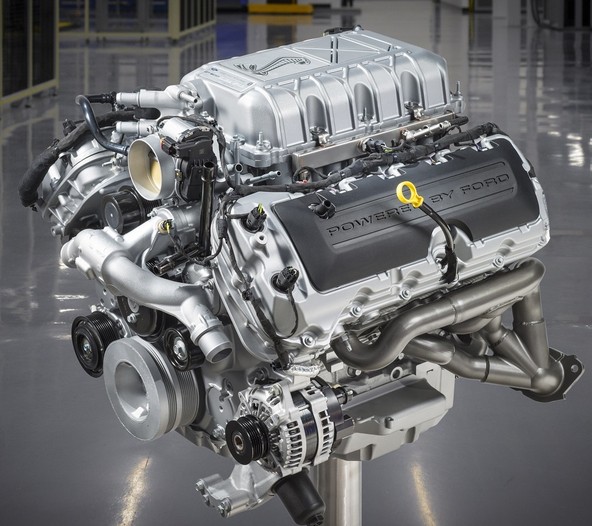
…and not:
For my Murkin Readers who’ve never heard of Mike Brewer, here’s the background on Wheeler Dealers, which ran for over 20 years on Brit TV.