Normally I reserve the above epithet for people who have their phones surgically attached to their hands, or bosses who insist that employees Stay.In.Touch.At.All.Times., yeah even unto night time, weekends, and vacations. (Just because you’re attending your sister’s wedding or mother’s funeral — requiring use of paid time off [PTO] instead of compassionate leave, FFS — doesn’t mean that your boss shouldn’t be able to demand your time to attend to That Pressing Corporate Need.)
No, the connectivity assholes I refer to here are “services” like GM’s OnStar, Hyundai’s Blue Link, NissanConnect, AcuraLink and Toyota Connect. Via Insty, I see the following is happening (from the annals of Corporate Automotive Bastardy):
Connected services is a catch-all term for everything your car can send and receive over the internet. It includes features such as automatic 911 call-outs after an accident, roadside assistance after a breakdown, over-the-air (OTA) software updates, vehicle health reports which can be sent to your dealer, wi-fi hot spots in the vehicle, and phone apps that allow you to connect to and even control some of your car’s functions.
They’re also big business. Most connected services require a paid subscription once the free trail (usually three months to a year) runs out. As more and more of them are added to your dashboard, automakers hope to make billions of dollars annually just on subscriptions. That doesn’t mean older vehicles will be supported forever, though.
Anyone who’s ever touched a device with a computer chip in it knows that device will eventually be obsolete. Cellphones, even if they still work fine, will eventually stop receiving software updates. Right or wrong, this is the way of the world. The average American, though, keeps their car for much longer than they keep their phone, and the average age of a vehicle in America is nearly 13 years old. Meaning, a lot of people could potentially be affected if other automakers follow Acura’s lead in cutting off cars newer than the average. And that’s not to mention those who own used examples of older models.
While it’s arguably bad customer service, there’s no law or contractual obligation requiring automakers like Acura to continue supporting older models with outdated hardware and software. In fact, it’s quite the opposite.
Yeah, click HERE to accept the (300 pages of) Terms & Conditions Of Service. (Wait; you all do read those before clicking, right?)
Somebody tell me how many times I’ve ranted on these pages about people handing over their privacy and freedom of action in the name of “conveeeeenience”, because I can’t be bothered to look it up.
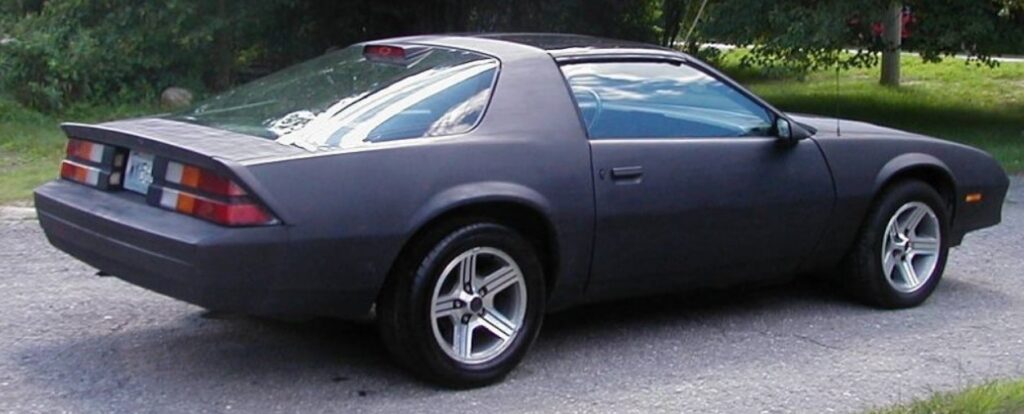
This is why, in all my lottery dreams, I am convinced that I would never buy a modern car, but would pay a premium (in service / maintenance costs etc.) just to own a car that is completely and utterly under my personal control. I have actually come to the point where I would buy any car — in reasonable working condition — that has an ordinary key to start it, whose operating system contains not a single chip and does not send my usage data to just anyone who wants to see it, for whatever reason — which includes insurance companies, the police, the State, the advertising industry and all the other forms of bureaucratic bastardy that have infested our personal lives like some creeping fucking cancer.
A pox on all of them.